

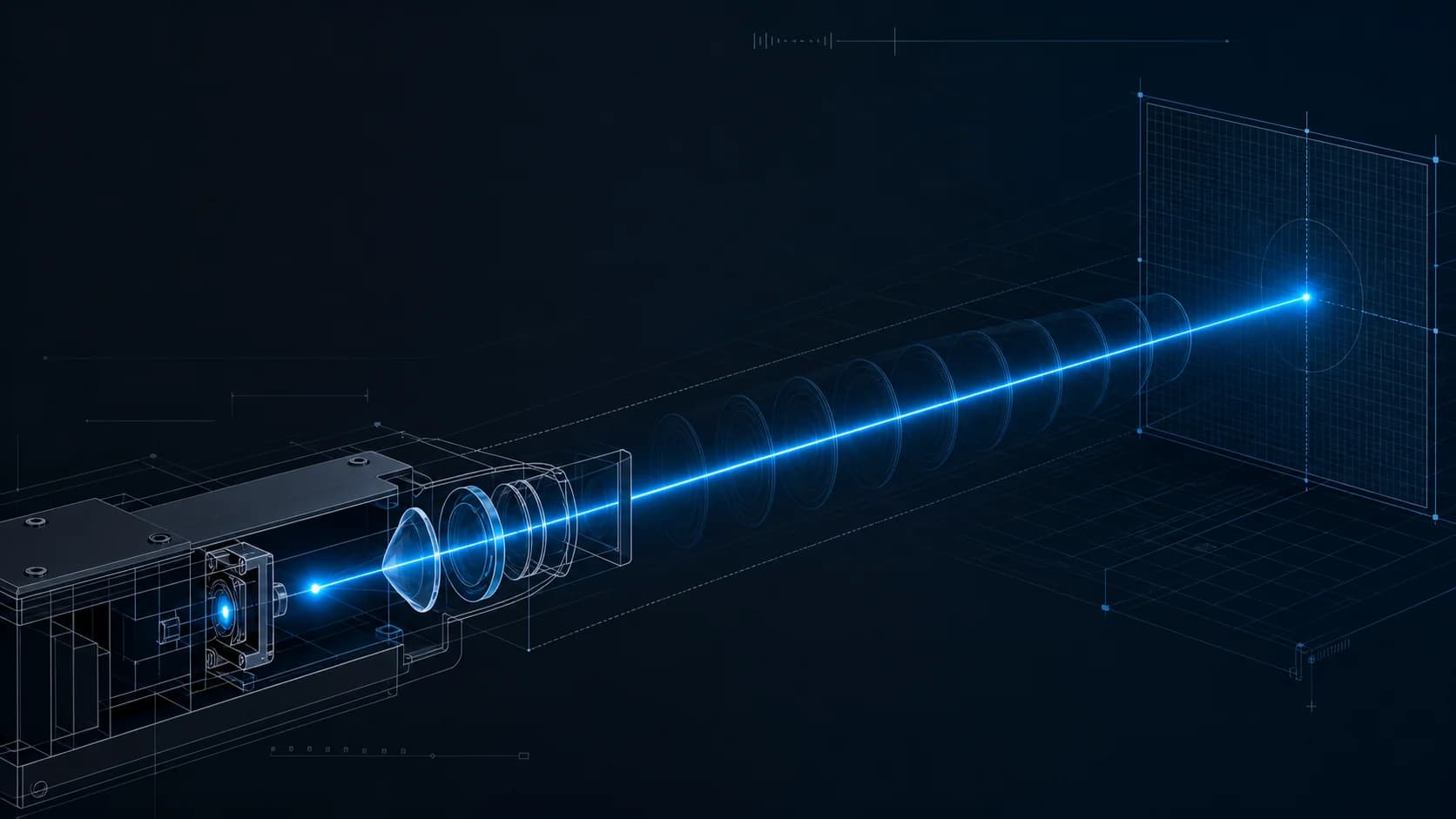
Laser Ranging Solutions Built From Requirements to Evidence
Select the wavelength, source, receiver, interface and verification plan around the real target, atmosphere, host optics, SWaP envelope and operating environment. Product data remains model-specific; project claims are released only with controlled supporting records.
- 68
- published model records
- 4
- technology platforms
- 1
- system-level acceptance plan
Choose the Architecture Before the Model
Wavelength is one decision in a complete ranging chain. Detector response, source energy, divergence, receiver aperture, signal processing, host optics and laser safety must be reviewed together.
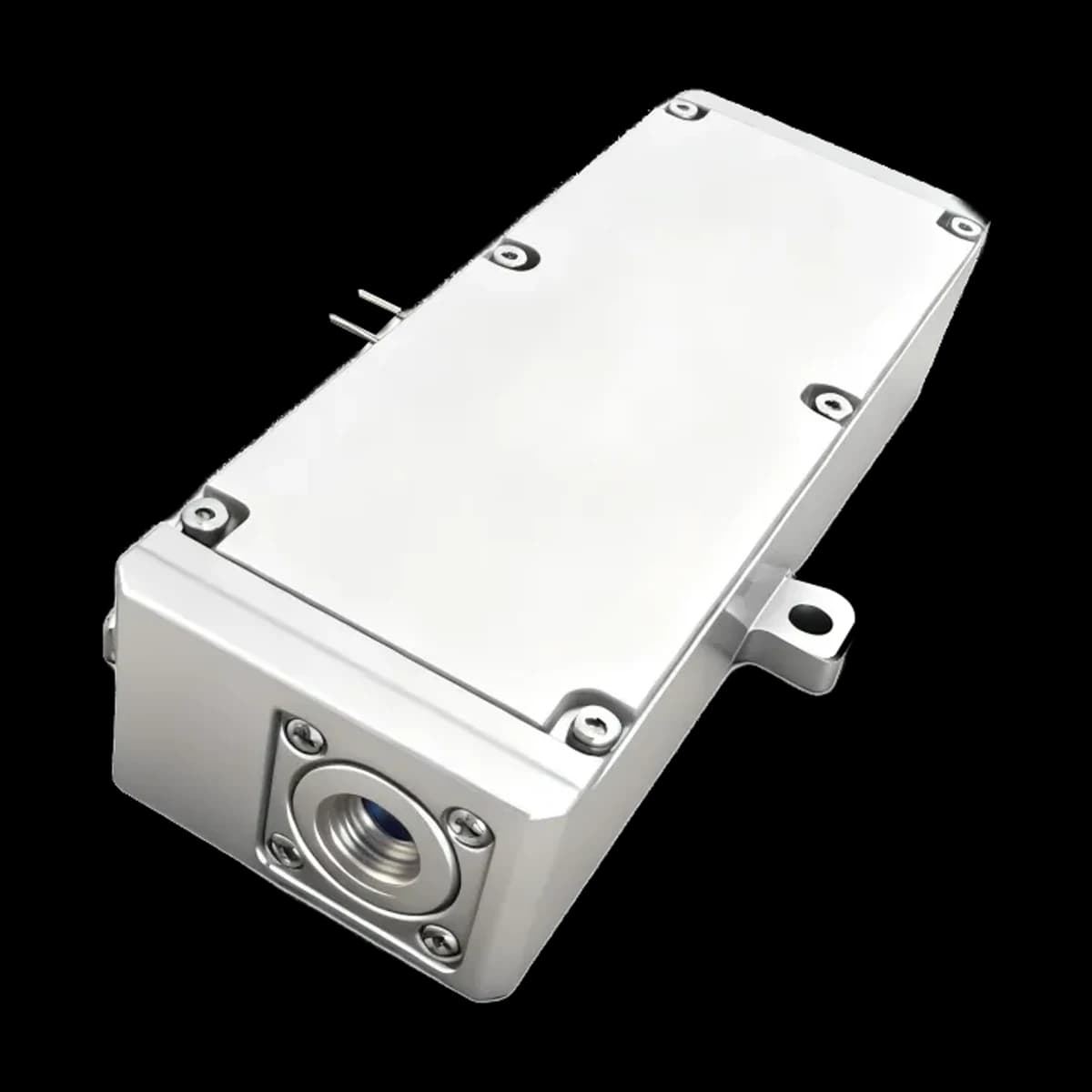
ER10000
Transmitter building blocks for compact pulsed ranging and sensing architectures.
- Current model data
- ER10000 is a pulsed erbium-glass laser source in the 1535 nm family. Explore model specifications, operating conditions, optical principles, beam definitions and references.
- Selection variables
- Pulse energy · pulse width · repetition rate · divergence · drive · thermal path
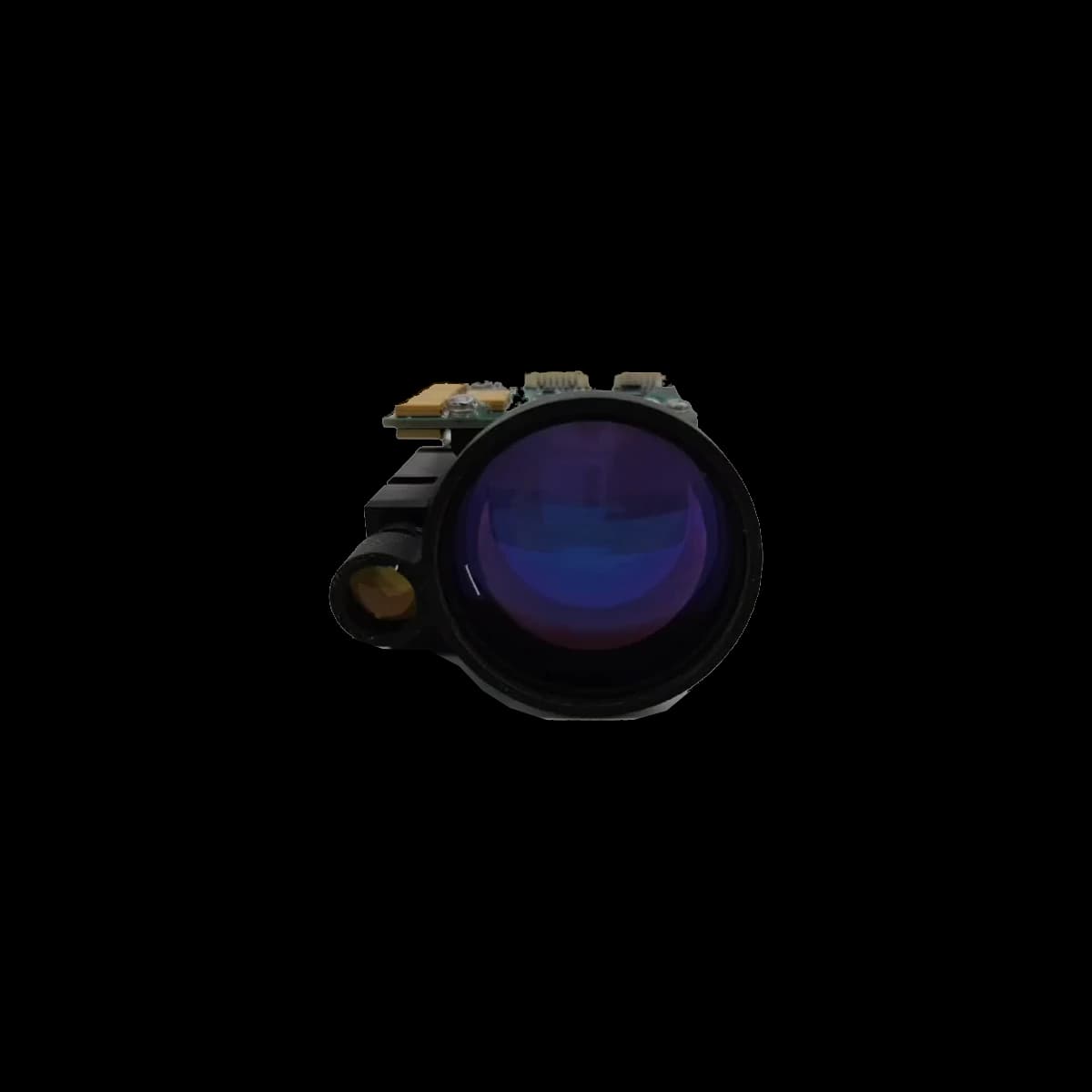
LRF0815C
OEM time-of-flight modules for compact observation, EO/IR and airborne payload integration.
- Current model data
- LRF0815C 1535 nm pulsed laser rangefinder with ER300 source and APD-A13B001 receiver reference. Review model specifications, test conditions and interfaces.
- Selection variables
- Target condition · specified range · accuracy · multi-target logic · SWaP · interface
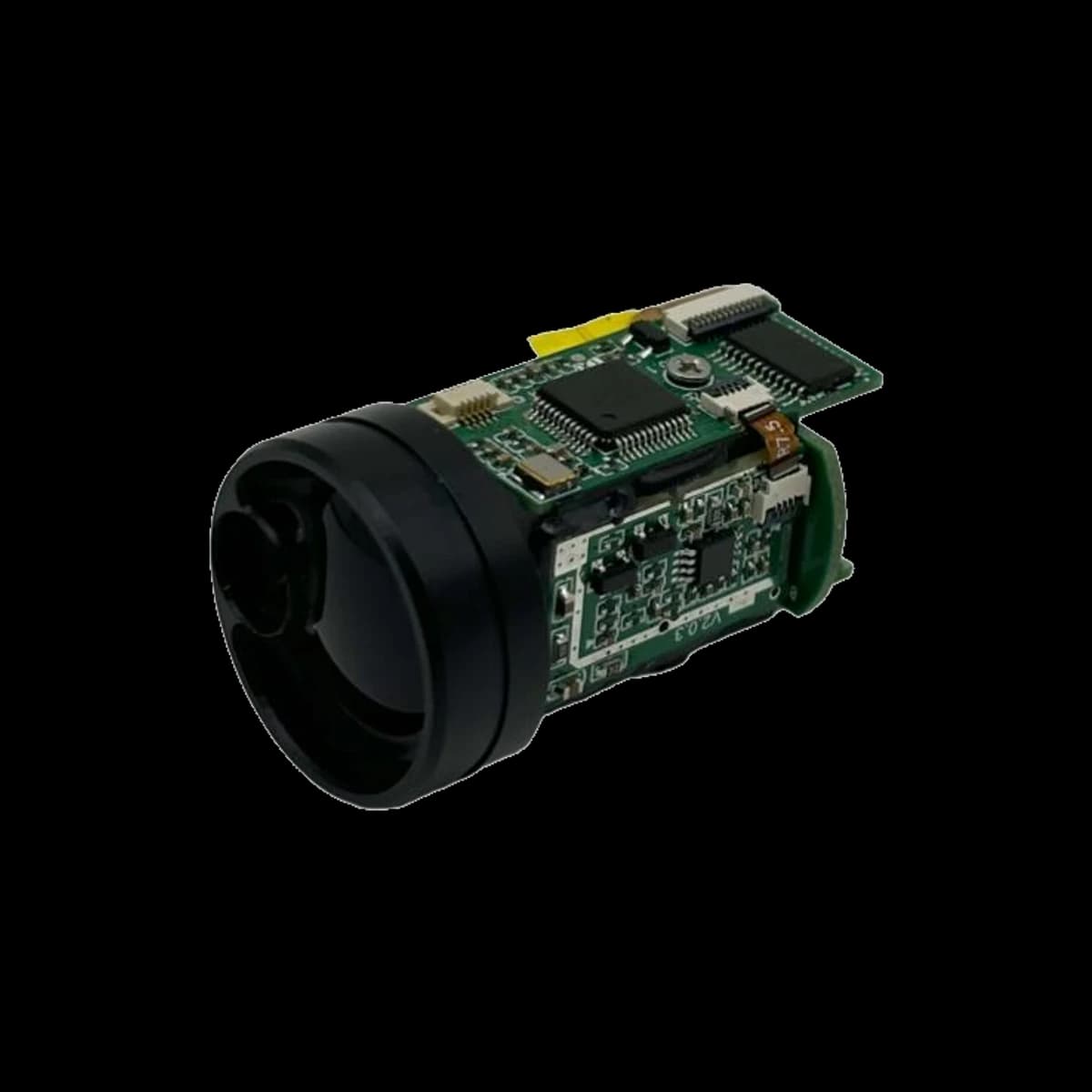
LRF1200A1
Compact ranging engines for portable optics, industrial sensing and embedded instruments.
- Current model data
- LRF1200A1 is a 905 nm laser rangefinder module with a 5–1200 m building-target range, 1–3 Hz measurement rate, and 3.3 V TTL-level UART in a Ø23 × 40 mm cylindrical format.
- Selection variables
- Ambient light · update rate · receiver field of view · power · package · UART timing
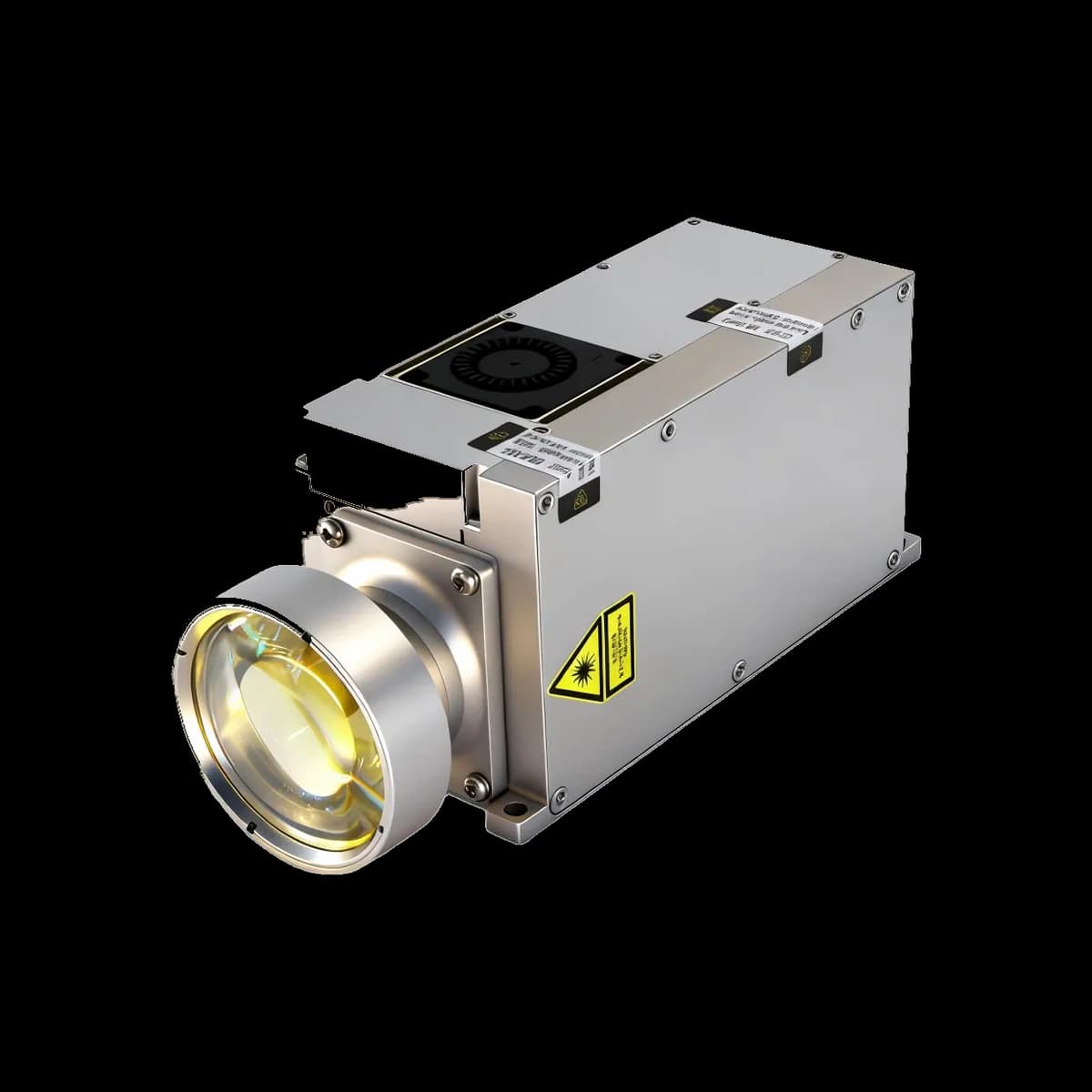
LR120K1
Higher-energy ranging and designation hardware for controlled system-level programs.
- Current model data
- LR120K1 is a 1064 nm laser product. Review its model-specific source documents, specification notes, general terminology and laser-safety information. Unresolved source entries are explicitly identified.
- Selection variables
- Energy · coding · pointing · receiver aperture · stabilization · safety · end use
A Range Result Is the Output of a Complete Signal Chain
In direct pulsed time-of-flight ranging, distance is derived from round-trip propagation delay. Field performance then depends on the optical link budget and the receiver's ability to accept a valid echo above noise and interference.
- TransmitPulse energy, width and beam formation
- PropagateDivergence, atmosphere and target geometry
- ReceiveAperture, optical filter and detector response
- ResolveSignal-to-noise, timing and echo discrimination
- ReportFirmware, interface timing and host interpretation
Engineering variables that change the result
TargetSize · reflectance · angle · obscuration
AtmosphereVisibility · fog · rain · dust · turbulence
TransmitterEnergy · wavelength · pulse width · divergence
ReceiverAperture · field of view · filter · detector
Host systemWindow · boresight · power · timing · thermal path
AcceptanceProbability · accuracy · false alarm · test geometry
Requirements Stay Traceable Through the Development Cycle
The workflow below is the engineering control path used to frame an OEM project. The exact activities and evidence package are defined by the model, customization scope and customer acceptance plan.
- 01
Requirements capture
Target, atmosphere, probability, range, accuracy, rate, SWaP, interface and environment.
- 02
Link budget and trade study
Source, divergence, receiver, noise, host window and margin are considered as one chain.
- 03
Multidisciplinary design
Optical, electronic, mechanical, firmware, power and thermal interfaces are reconciled.
- 04
Prototype integration
Mechanical datums, harness, command set, timing, boresight and host-software behavior are checked.
- 05
Verification
Performance is measured against controlled conditions, methods and pass/fail criteria.
- 06
Configuration release
Approved revisions, inspection points, acceptance evidence and change control support production.
From Optical Components to Final Acceptance
Not every model follows the same route. Optical fabrication, coating, source packaging, optomechanical assembly, alignment and environmental screening are controlled according to the released drawing, bill of materials and model-level test plan.


- 01Incoming controlRevision, material, dimensions and supplier records
- 02Optical inspectionSurface, geometry and model-specific optical criteria
- 03Coating verificationBand, angle, witness data and applicable durability checks
- 04Source assemblyControlled handling, bonding, drive and thermal interface
- 05Module buildOptomechanics, electronics, connector and configuration
- 06AlignmentTransmit/receive axes, focus, boresight and fixture control
- 07CalibrationRange response, timing, interface and operating modes
- 08Final acceptanceInspection, function, documentation and release status
Map the Platform to the Operating Environment
These are application patterns, not substitute specifications. Final selection depends on verified model data and the customer's integration and acceptance requirements.
Airborne EO/IR payloads
Low SWaP, boresight stability, serial timing and vibration-aware mounting.
1535 nm compact rangefinder modulesExplore applicable productsSurveying and mapping
Range repeatability, target definition, atmospheric visibility and calibrated system geometry.
1535 nm and high-rate DToF platformsExplore applicable productsIndustrial monitoring
High update rate, ambient-light behavior, interface latency and continuous duty-cycle review.
905 nm DToF distance sensorsExplore applicable productsHandheld observation
Compact packaging, battery power, optical-window transmission and final-product laser safety.
905 nm and compact 1535 nm modulesExplore applicable productsLand and maritime EO systems
Long-range link budget, thermal drift, salt or humidity exposure and platform stabilization.
Long-range 1535 nm and 1064 nm systemsExplore applicable productsRanging and designation programs
Pointing, coding, timing, safety controls, regulatory scope and verified end use.
1064 nm system-level hardwareExplore applicable productsBuild the Selection Around Six Verified Inputs
A credible recommendation records assumptions before naming a product. This prevents a catalogue range from being treated as a guarantee outside its stated target and atmosphere.
- 01 · Target
- Size, reflectance, angle, motion and obscuration
- 02 · Environment
- Visibility, weather, sunlight, temperature and vibration
- 03 · Measurement
- Range, probability, accuracy, resolution and update rate
- 04 · Host optics
- Aperture, window, coating, field of view and boresight
- 05 · Integration
- Envelope, mass, power, thermal path, connector and protocol
- 06 · Acceptance
- Test geometry, method, sample size, limits and evidence
Complete Published Product Specification Index
The index below is generated from the current published product records. Each model links to its controlled detail page. Values must be read with the stated target, visibility, interface and revision conditions.
1.54 µm pulsed laser sourcesSource-level products for transmitter and LiDAR architecture work.12 models
1535 nm laser rangefinder modulesCompact and long-range OEM modules with model-specific test conditions.18 models
905 nm rangefinders and DToF sensorsCompact, portable and higher-rate distance-measurement platforms.23 models
1064 nm ranging and designation hardwareSystem-level products requiring controlled safety and end-use review.9 models
Additional optoelectronic productsPublished products that require model-level application review.6 models
Reference Frameworks, Not Blanket Certification Claims
Applicability depends on the model, final host product, target market and contract. A standard is cited only as a design, measurement or test reference unless current controlled evidence supports a specific conformity statement.
Questions That Should Be Resolved Before Selection
01Why is nominal range not enough to select a module?
A range value is meaningful only with its target size and reflectance, visibility, receiver aperture, repetition rate and required detection probability. Dark, oblique, small or partially obscured targets can produce a materially weaker return.
02Does a 1535 nm component automatically make the host product Class 1?
No. Laser classification is based on accessible emission from the finished product under the applicable operating, maintenance, service and fault conditions. The host optics, enclosure and control logic can change the result.
03What information is needed before an OEM recommendation?
Provide the target and atmosphere, minimum and maximum range, accuracy and update rate, host aperture and window, available power, communication interface, mechanical envelope, temperature and vibration profile, and the intended acceptance method.
04How should environmental qualification be specified?
Start from the real transport and operating environment, then define severity, duration, axes, mounting, operating state and pass/fail criteria. A standard name without a tailored test profile is not a complete qualification requirement.
Turn the Application Into a Verifiable Product Shortlist
Share the target, atmosphere, required range, measurement rate, host optics, power, interface, mechanical envelope, environment and acceptance method. The technical sales team will organize the open questions before recommending a model.
sales@erdicn.com