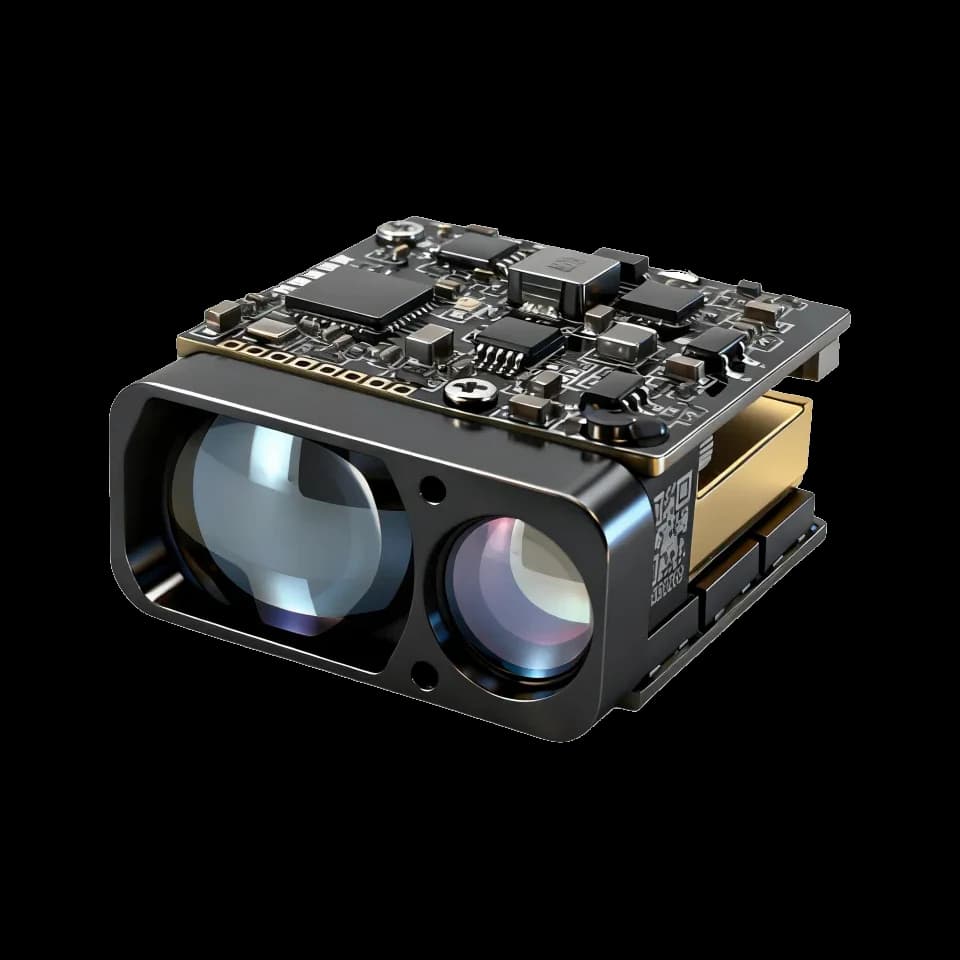
Compact 1535 nm OEM rangefinder
LRF0305C
≥100 µJ module energy and 1–10 Hz reporting; compare the target-conditioned range and compact envelope.
Technical details
 Cart

Optics, electronics and mechanical integration for OEM systems.
A small ranging engine for a compact host. Review the module’s optical, electrical and mechanical requirements together.
≥4 km building target60% reflectivity; visibility >8 km. Different targets have separately specified ranges.
The transmitter pulse, return optics, detector and timing electronics work together. Engineering review connects those elements to the target, atmosphere, host interface and acceptance method.

Target, reflectance, range, rate and operating conditions.
Source, transmit optics, receiver and timing.
Mechanical datums, power, protocol and thermal path.
Alignment and performance against agreed conditions.
An 84-second documentary overview of ERDI laser-module component preparation, electrical setup, optical alignment, functional verification and engineering collaboration.
Start with target conditions, accuracy, rate and host constraints. Each series leads to individual models, drawings and technical documentation.
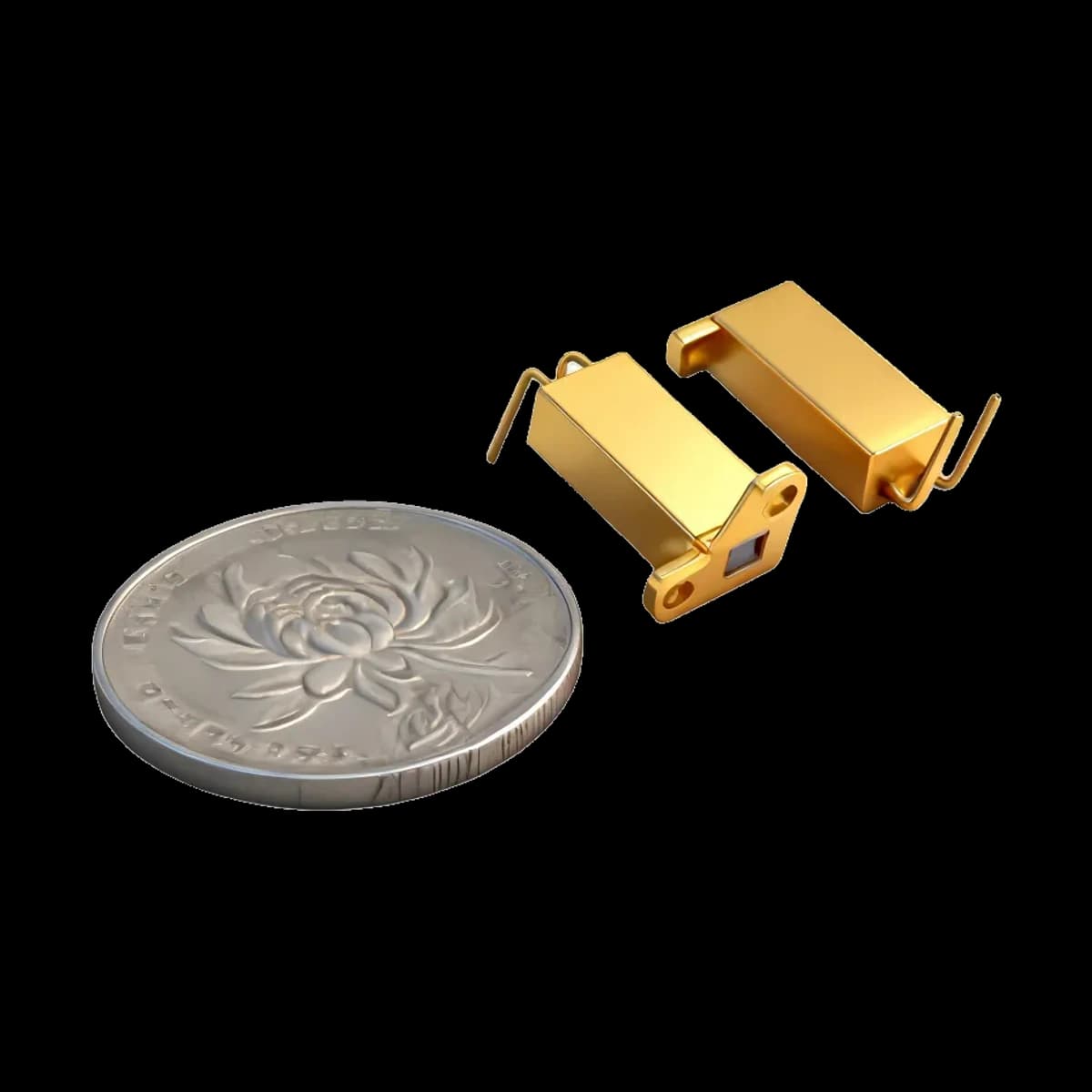
Erbium-glass transmitters selected by pulse energy, pulse width, beam characteristics and package.
Explore series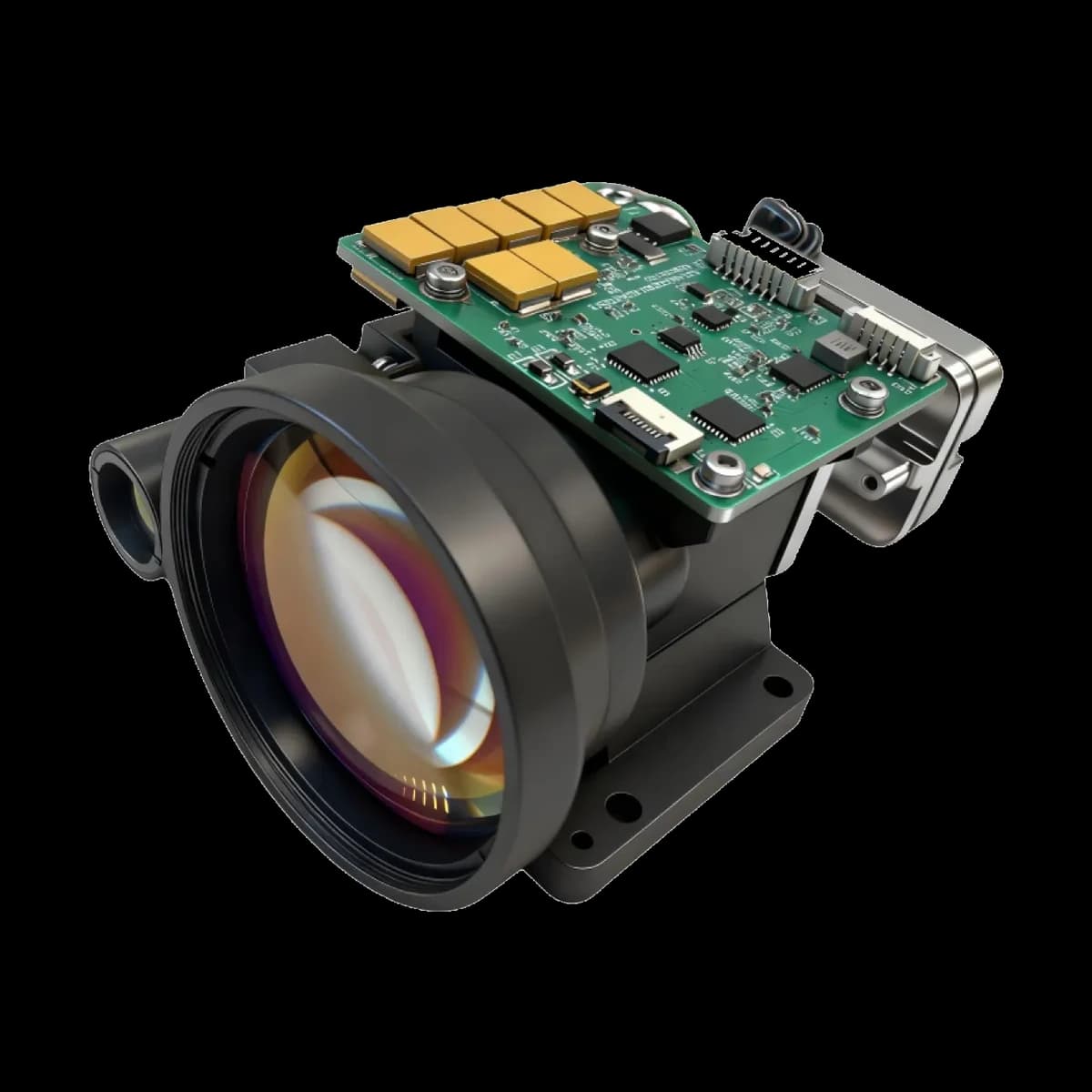
OEM ranging modules for defined targets, visibility conditions and host-system requirements.
Explore series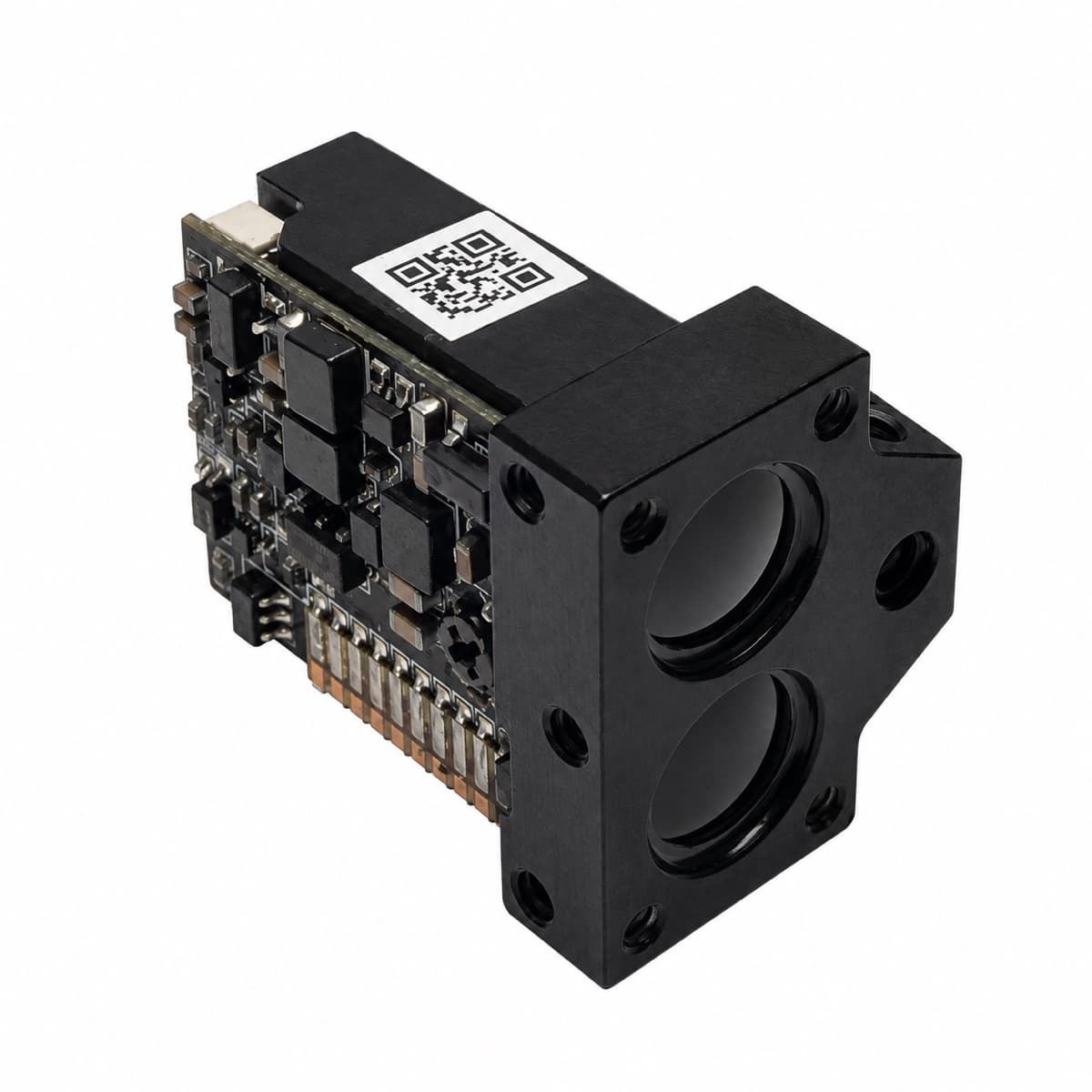
Distance-sensing options for industrial instruments, robotics and compact observation systems.
Explore series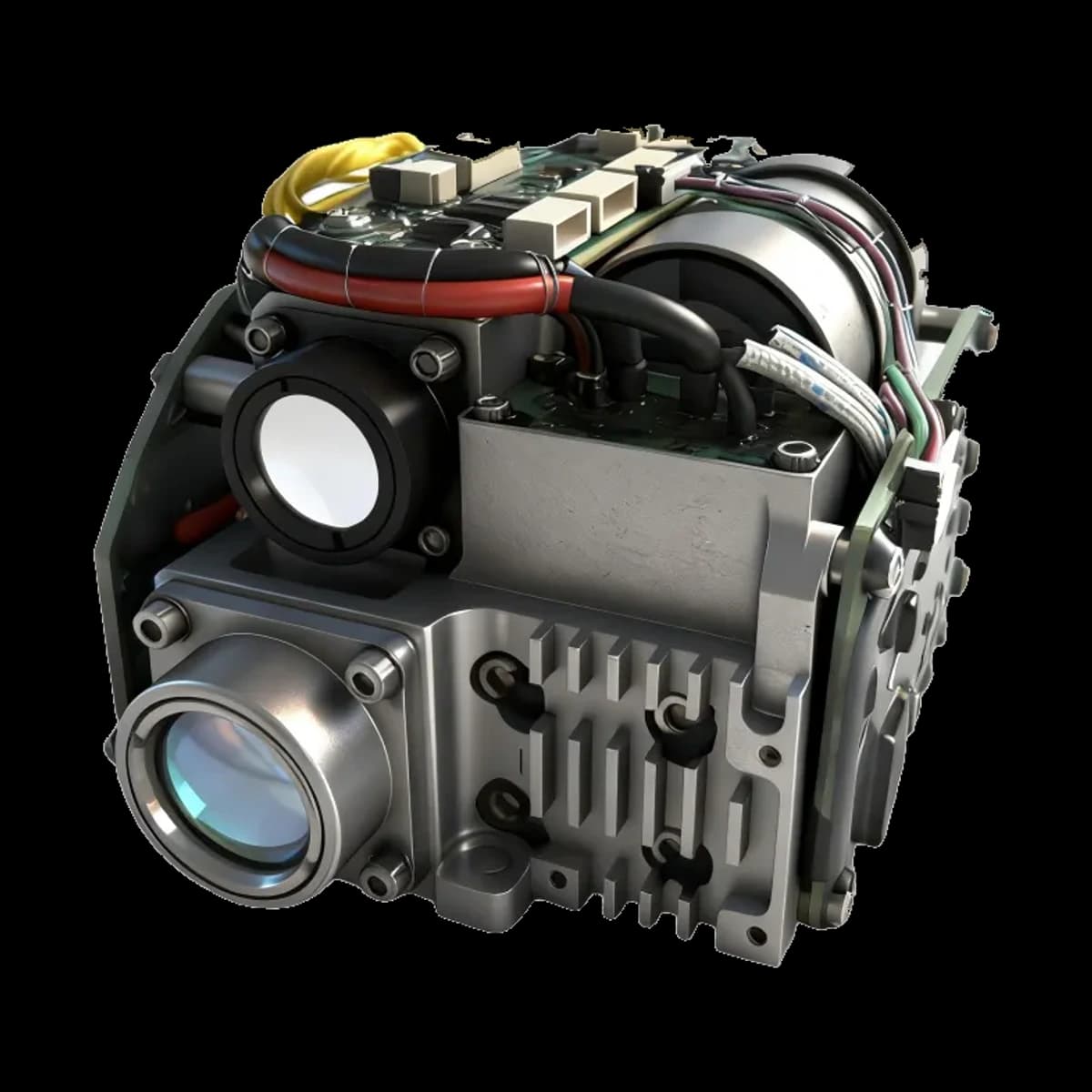
Pulsed system hardware with model-specific energy, pointing, timing and thermal requirements.
Explore series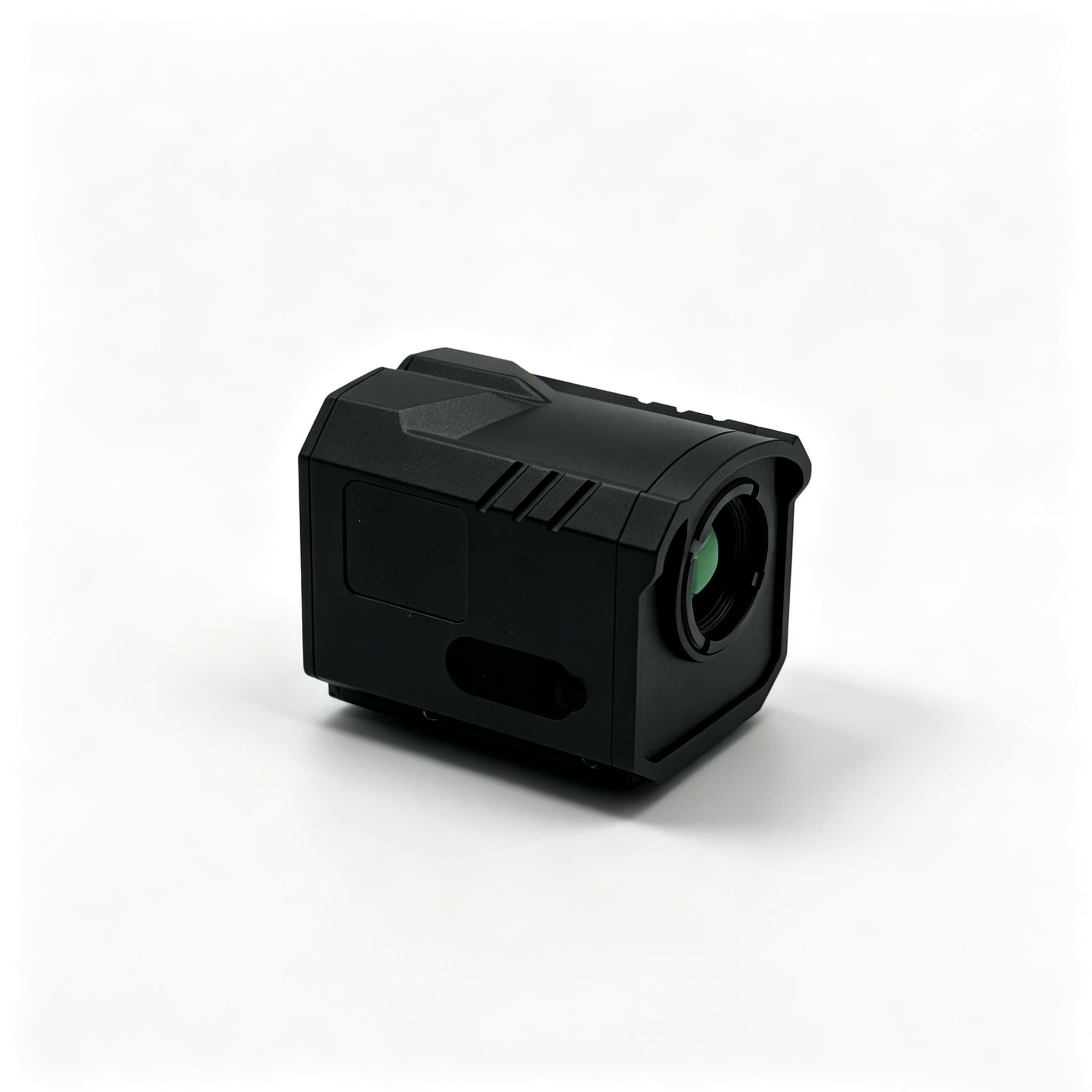
Waveguide, holographic, thermal-fusion and compact thermal sights with individual technical records.
Explore series≥100 µJ module energy and 1–10 Hz reporting; compare the target-conditioned range and compact envelope.
Technical detailsCompare the reference target, visibility and interface for long-range integration.
Technical details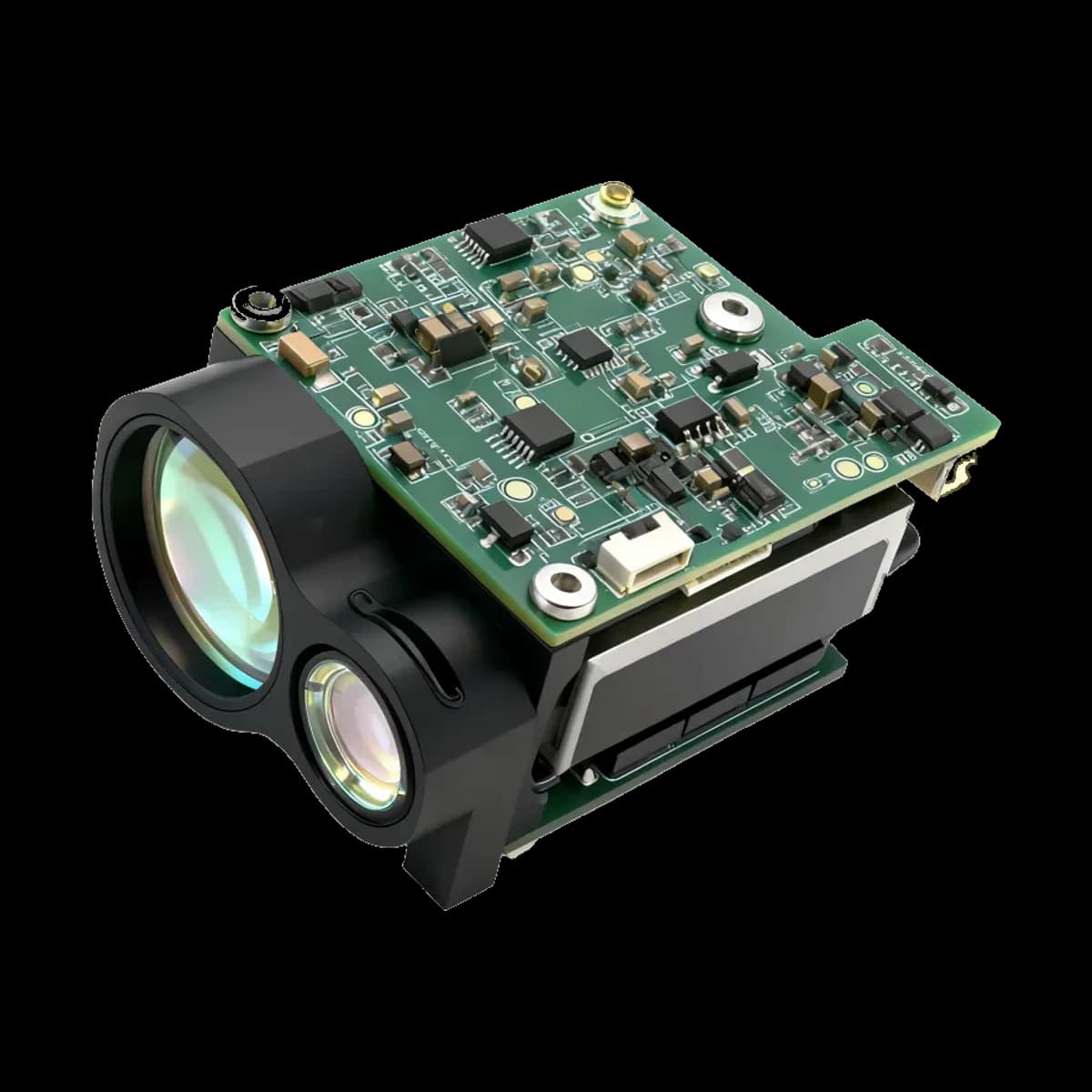
Review the mechanical envelope, power and communication for a constrained host.
Technical detailsReview pulse energy, control timing, pointing and the thermal interface together.
Technical detailsA ≥100 µJ source with 3.5 ns optical pulses for compact transmitter integration.
Technical detailsLRF0305C is a compact 1535 ±5 nm pulsed laser rangefinder for OEM optical systems. At approximately 14 g and 27 × 25 × 15.5 mm, it provides ≥100 µJ pulse energy, 1–10 Hz measurement output and stated ±1 m ranging accuracy. Its ≥4 km range applies to a building target at 60% reflectivity with visibility greater than 8 km. A 3–5 V DC supply and UART at 3.3 V TTL support system integration.
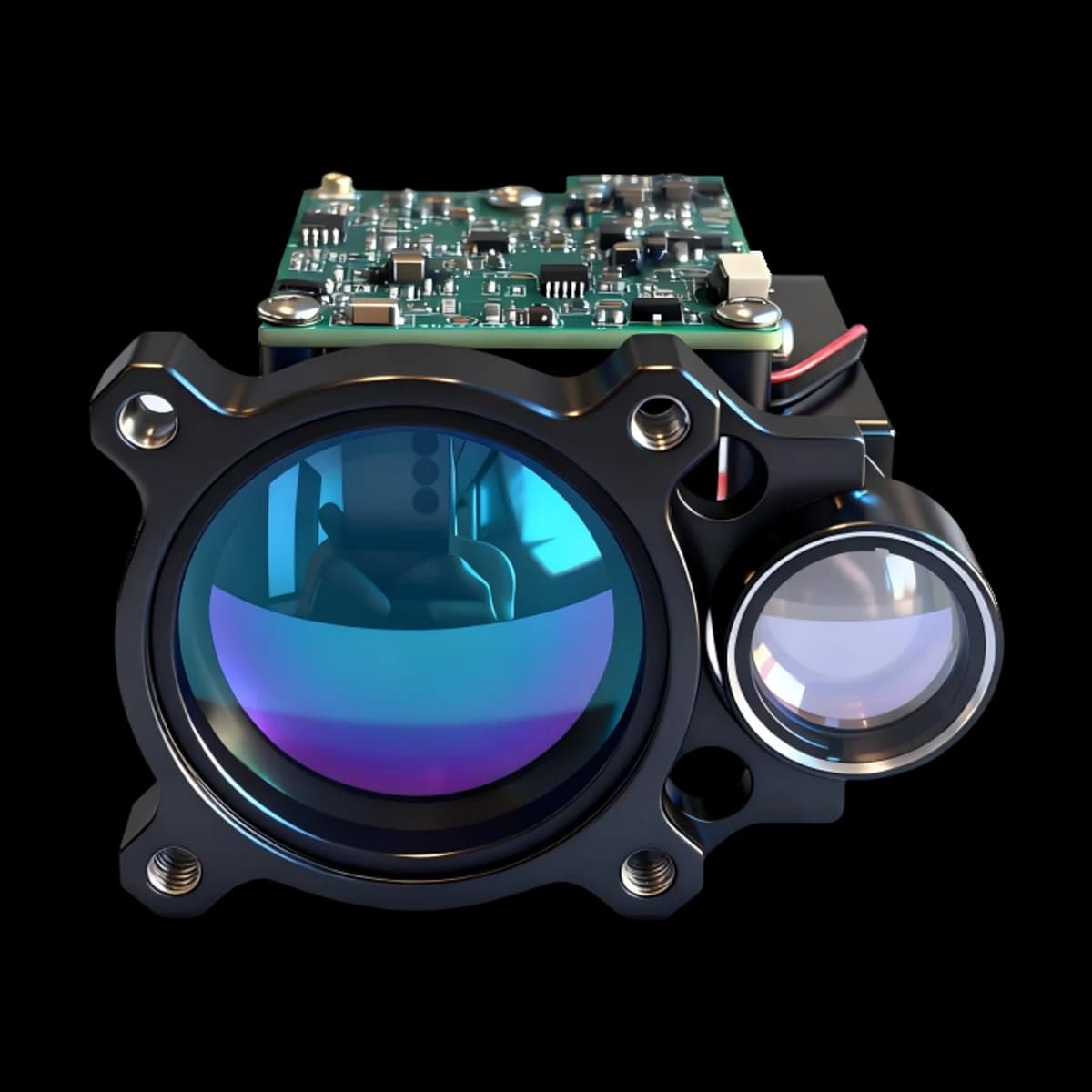
LRF0612C is a 1535 nm module with ≥200 µJ energy, ≤0.3 mrad divergence and 1–10 Hz ranging. It specifies ≥6 km to a 2.3 × 2.3 m target at 30% reflectance and visibility ≥8 km, with separate smaller-target limits.
Compare specificationsView details →Availability confirmed at checkout
Shipping includedFor 1 pcs7 working days
Dispatch after payment confirmation.
Checking online checkout availability… PayPal / card options at checkout, subject to eligibility.
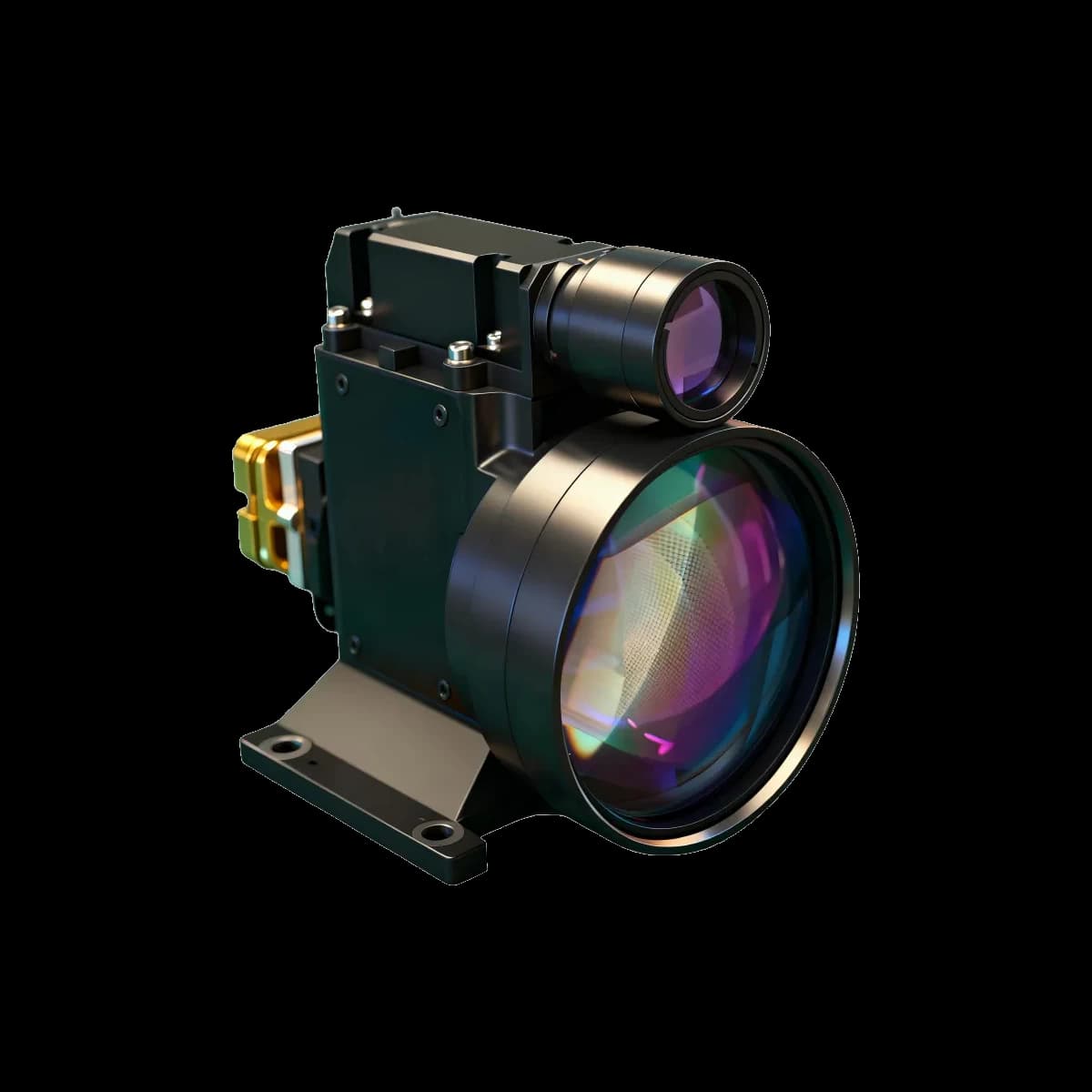
LRF1831C is a 1535 ±5 nm rangefinder with ≥350 µJ module energy, a 60 mm receiver and three-target reporting. Its ≥6.5 km result concerns a 5 × 15 m target; a separate ≥12 km result uses a 20 × 20 m diffuse target.
Compare specificationsView details →Availability confirmed at checkout
Shipping includedFor 1 pcs7 working days
Dispatch after payment confirmation.
Checking online checkout availability… PayPal / card options at checkout, subject to eligibility.
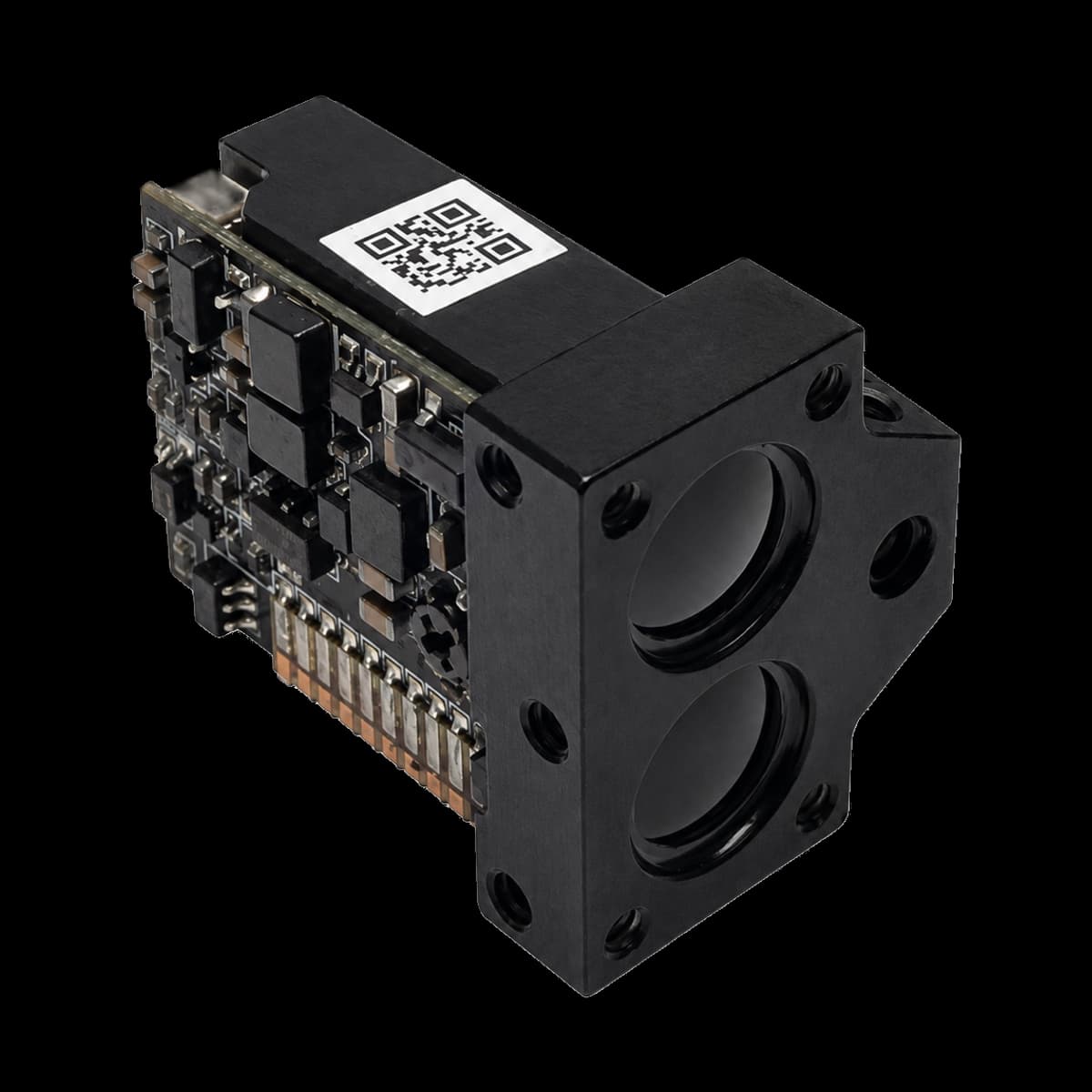
SPD1200N3 combines a 905 nm ranging laser and single-photon receiver with a laser-indication function. The N3 manual specifies 3–1000 m on a building target under visibility of at least 10 km and humidity no greater than 60%, rather than a range inferred from its name.
Compare specificationsView details →Availability confirmed at checkout
Shipping includedFor 1 pcs7 working days
Dispatch after payment confirmation.
Checking online checkout availability… PayPal / card options at checkout, subject to eligibility.
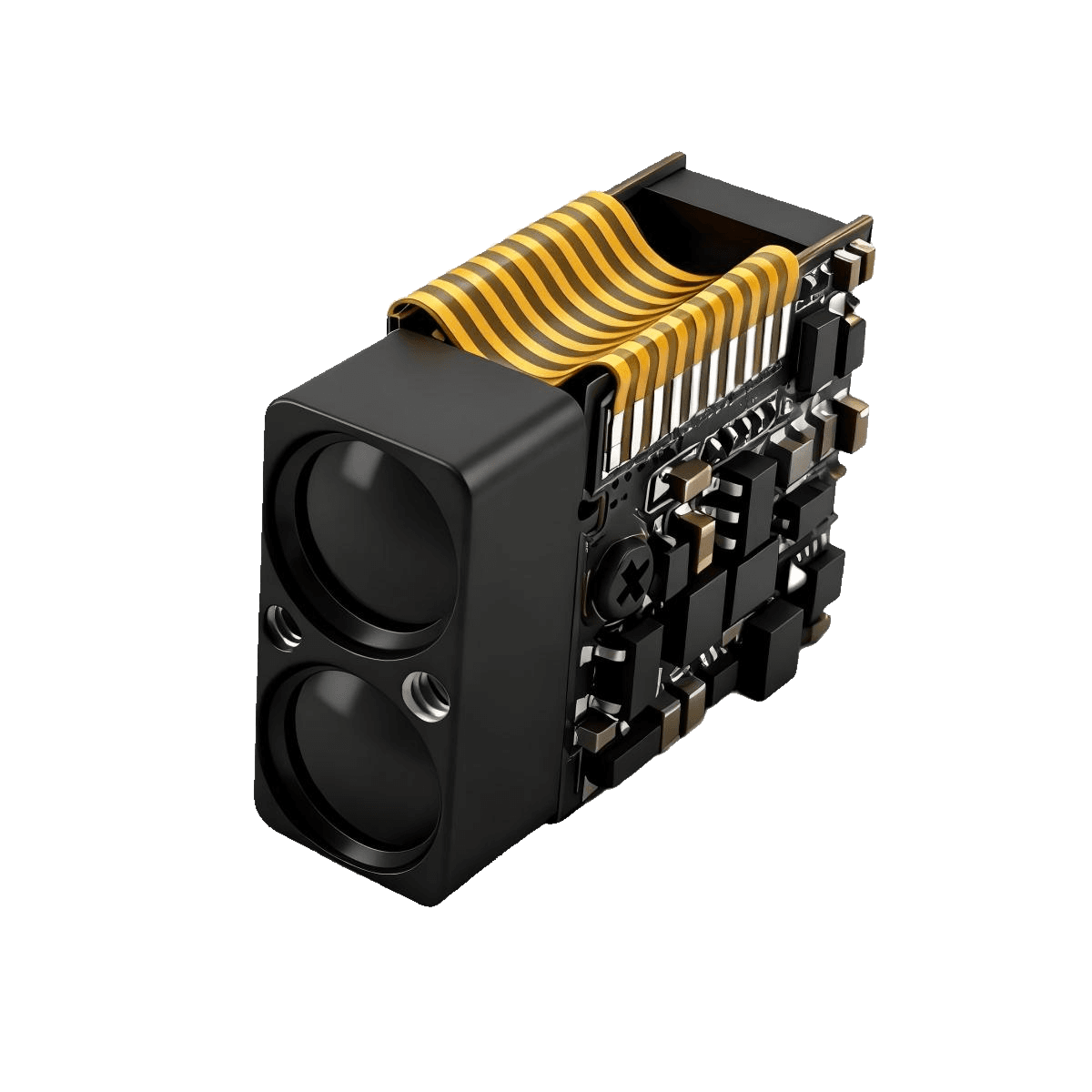
SPD1200ZG combines 905 nm SPAD-based pulsed ranging with configurable six-axis inertial reporting and relative 3D point-to-point measurement. Its specified 0.1–1200 m range applies to a building target under visibility of at least 10 km and humidity no greater than 60%.
Compare specificationsView details →Availability confirmed at checkout
Shipping includedFor 1 pcs7 working days
Dispatch after payment confirmation.
Checking online checkout availability… PayPal / card options at checkout, subject to eligibility.
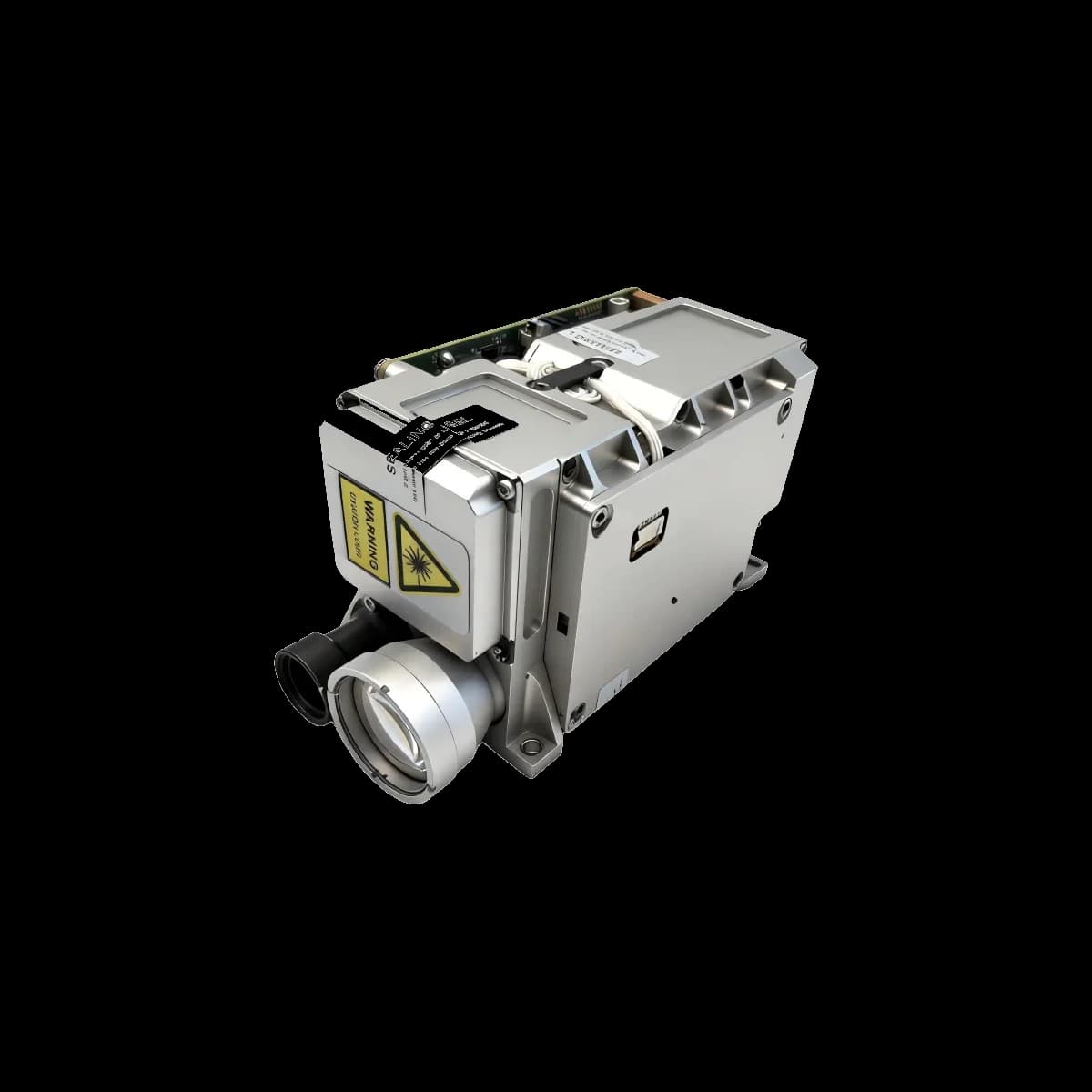
LDR40K1 is a pulsed optical module whose controlled document lists average pulse energy ≥40 mJ, RS-422 communication and mass ≤460 g. Its wavelength and several ranging entries remain withheld in the reviewed page while source-version discrepancies are resolved.
Compare specificationsView details →Availability confirmed at checkout
Shipping includedFor 1 pcs7 working days
Dispatch after payment confirmation.
Checking online checkout availability… PayPal / card options at checkout, subject to eligibility.
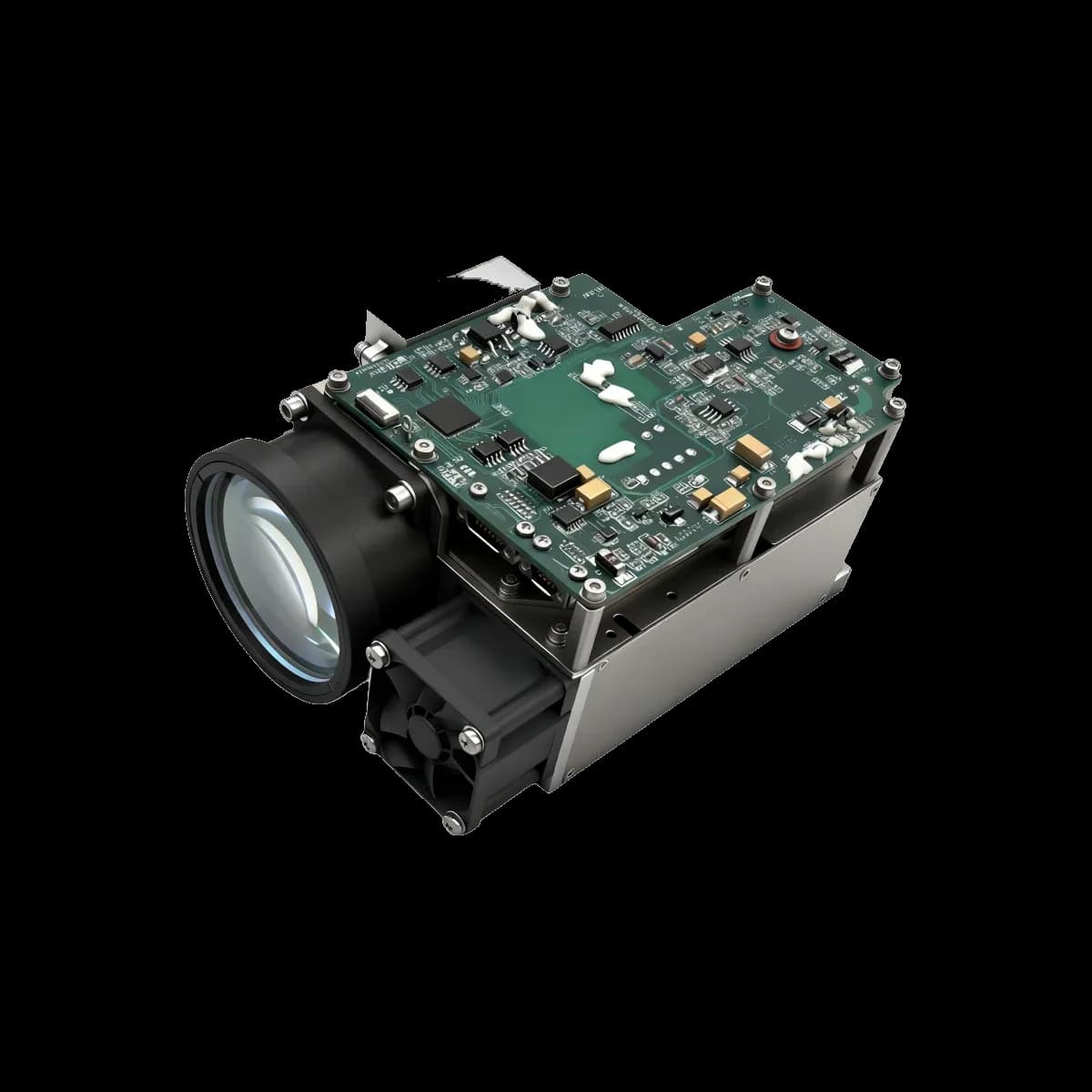
LDR80K2 is a 1064 ±1 nm pulsed ranging module with a 1–20 Hz ranging entry and a 15 ns ±5 ns optical pulse. The current public table withholds output energy because its source unit is incomplete and conflicting entries remain unresolved.
Compare specificationsView details →Availability confirmed at checkout
Shipping includedFor 1 pcs7 working days
Dispatch after payment confirmation.
Checking online checkout availability… PayPal / card options at checkout, subject to eligibility.

ER800 is a 1535 nm pulsed erbium-glass source with a minimum energy entry of 800 µJ and a 7 ns optical pulse width. Its 1–10 Hz specification and 18 g package distinguish it within the sub-millijoule source group.
Compare specificationsView details →Availability confirmed at checkout
Shipping includedFor 1 pcs7 working days
Dispatch after payment confirmation.
Checking online checkout availability… PayPal / card options at checkout, subject to eligibility.
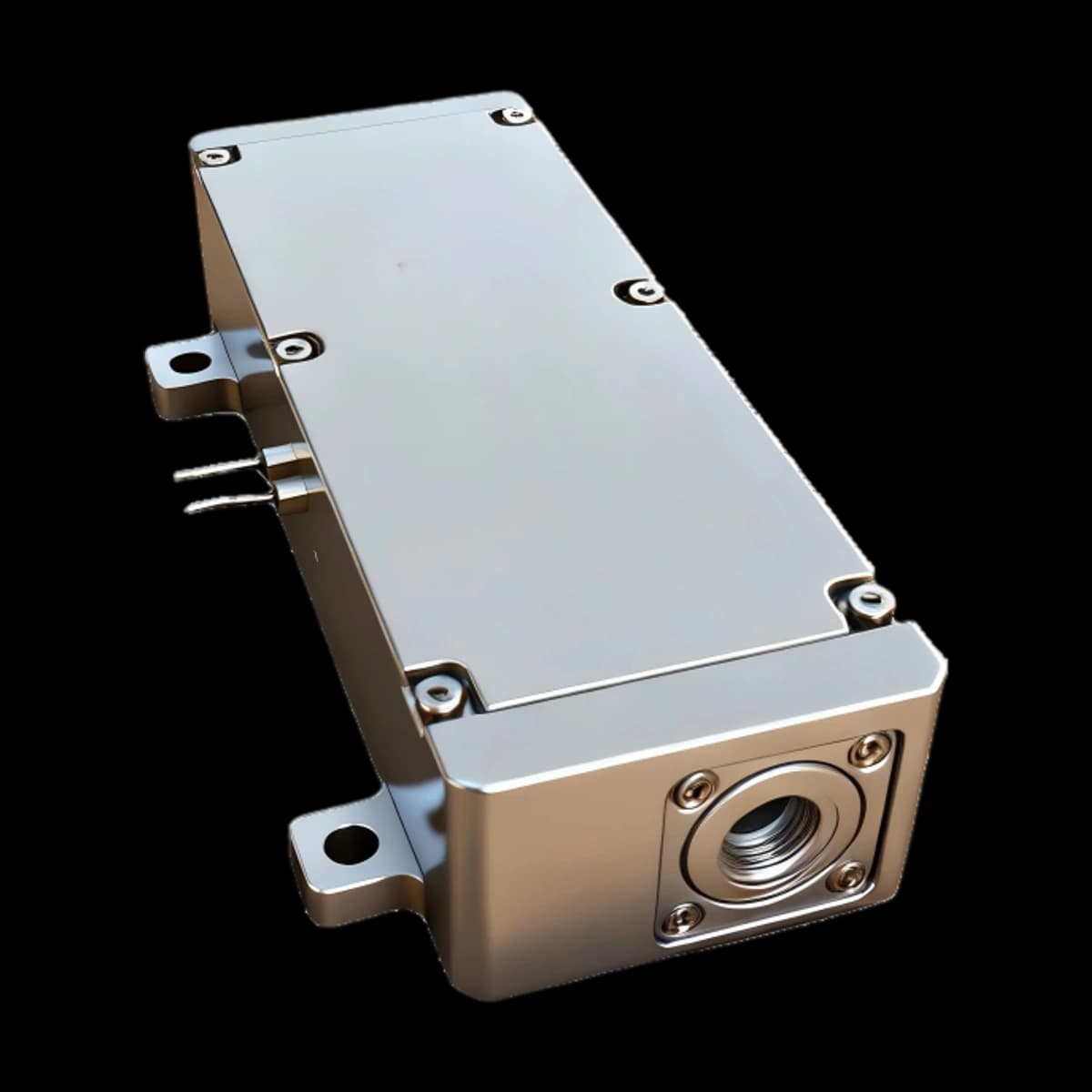
ER8000 is a 1535 nm erbium-glass pulsed laser specified at ≥8 mJ, with a 13 ns optical pulse and a 1–5 Hz repetition-rate entry. Its 220 g mass places it in the larger enclosure group of this source family.
Compare specificationsView details →Availability confirmed at checkout
Shipping includedFor 1 pcs7 working days
Dispatch after payment confirmation.
Checking online checkout availability… PayPal / card options at checkout, subject to eligibility.
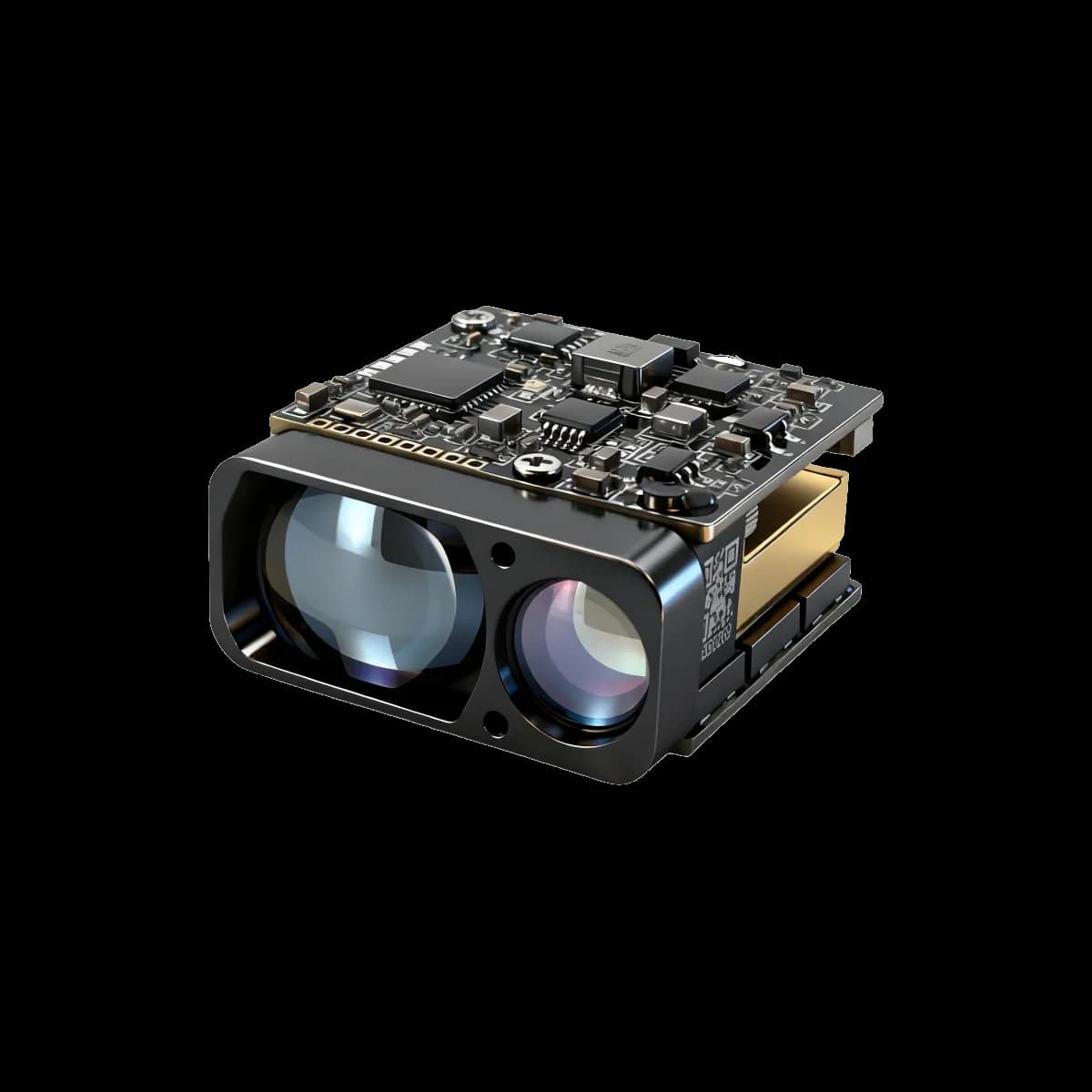 LRF0305CUAV GIMBAL / EYE-SAFE RANGING
Integrate a 1535 nm laser rangefinder into a UAV gimbal: review optical alignment, power, UART timing, thermal paths, calibration and qualification.
Read technical note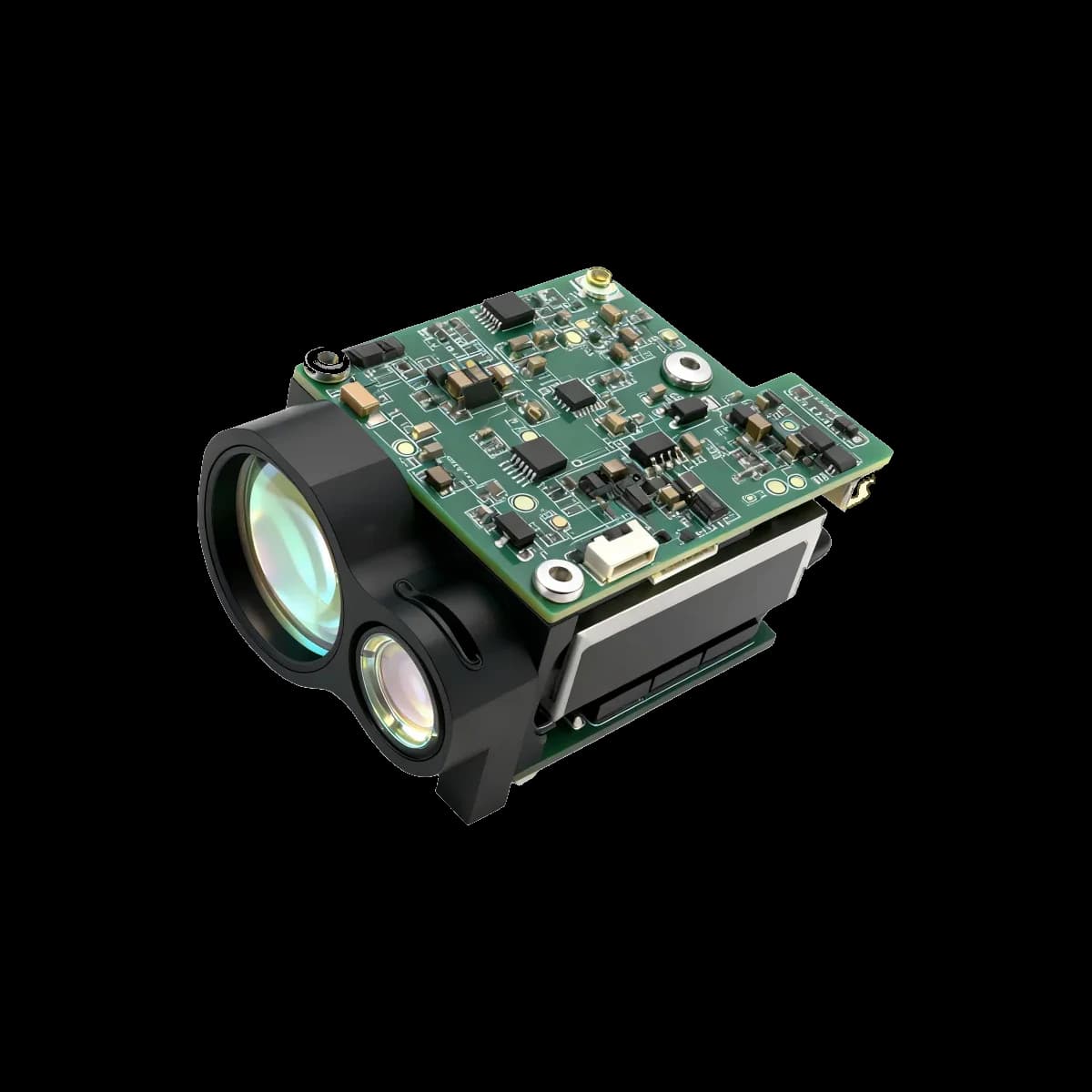 LRF0405CCOMPACT OEM / SYSTEM INTEGRATION
Learn the optical, mechanical, thermal, electrical and validation trade-offs behind compact 1535 nm laser rangefinder modules for OEM systems.
Read technical note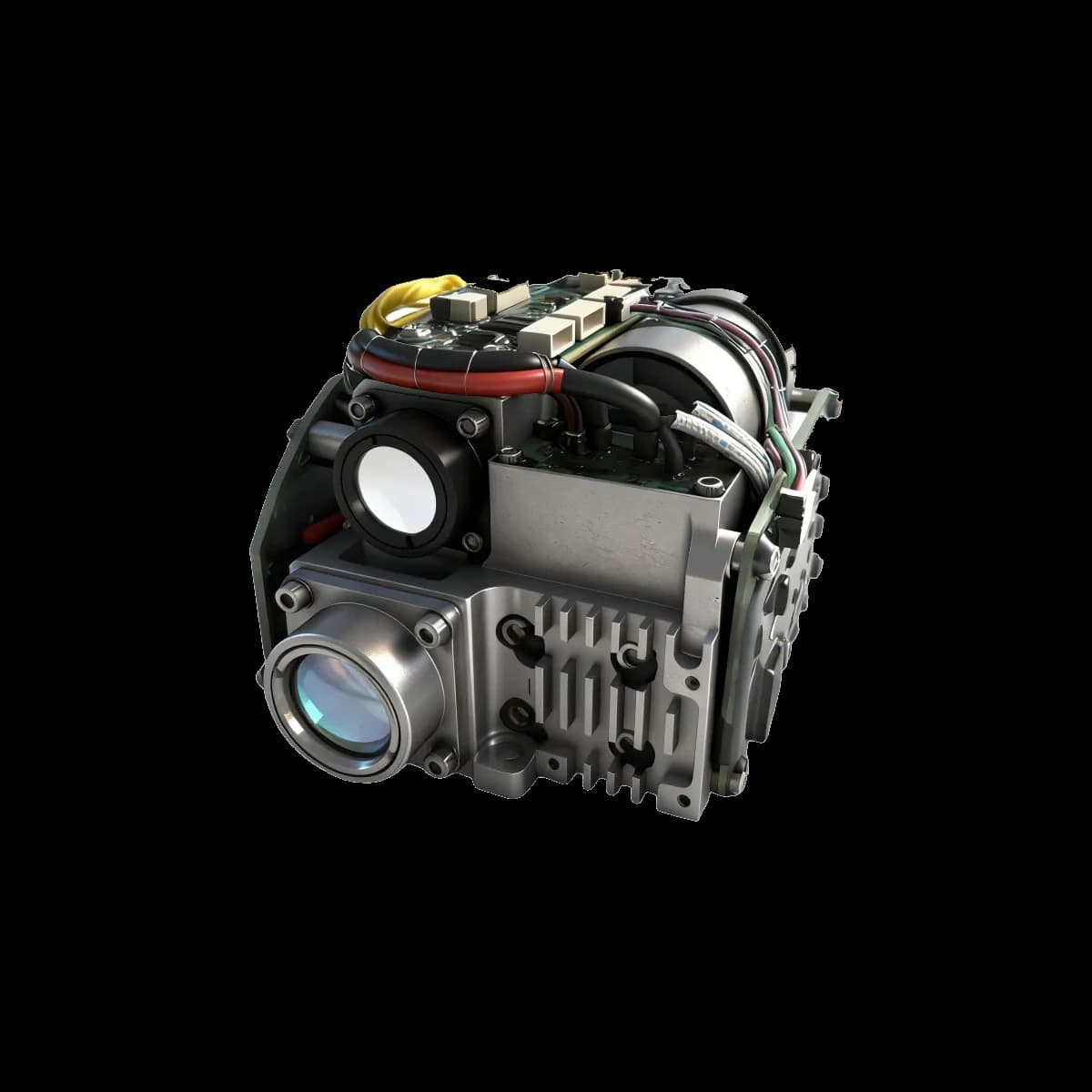 LDR20K1RANGING / TARGET DESIGNATION
Review verified LDR20K1 specifications for 1064 nm ranging and 20 mJ target designation, including range, accuracy, beam, SWaP and RS-422 integration.
Read technical noteReview the named legal entity, certificate scope, applicable product and validity date. ERDI supplies current verification copies during technical and commercial review.
Request current verification copies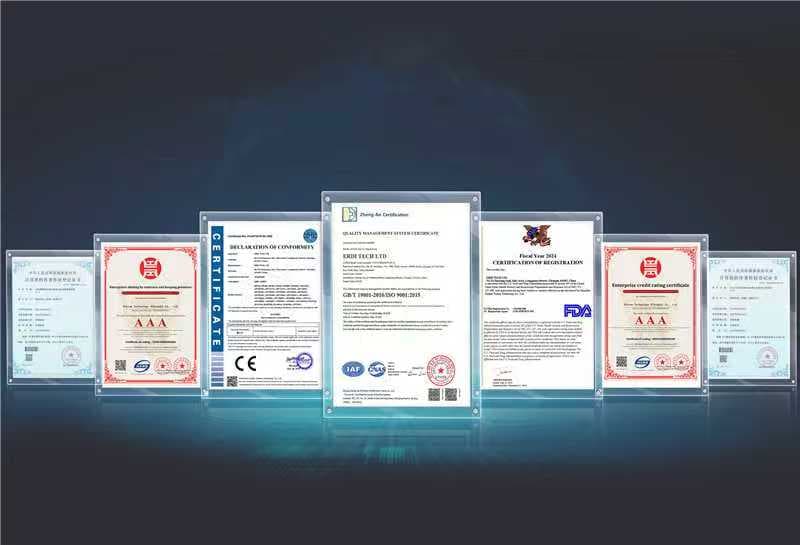
Provide target dimensions and reflectance, required range and accuracy, visibility, measurement rate, interface, power, size, weight and operating environment. Those conditions can then be compared with the individual model’s specifications.
Compare the model’s target conditions, receiver aperture, measurement rate, power and integration limits. Wavelength alone does not establish usable range or the laser-safety classification of a finished instrument.
Review pulse energy, optical pulse width, repetition rate, beam divergence, drive conditions, mounting and the thermal path. Share the host-system requirements with ERDI before selecting a source configuration.
Confirm the current controlled drawing, connector definition, operating conditions and applicable compliance documents for the supplied configuration. Product pages and videos help comparison; the agreed model documentation defines the integration and acceptance requirements.
Target and reflectance. Range and accuracy. Interface and operating conditions. Share the constraints so our team can review a suitable configuration.