

Answers Built for Laser System Integration
Technical guidance for OEM engineers and procurement teams evaluating ERDI laser sources, rangefinder modules and designation hardware. Each answer separates general engineering practice from the controlled specification of an ordered model.
- Requirements first
- Target, atmosphere, interface and acceptance method
- Controlled evidence
- Model, revision, configuration and test conditions
- Engineering closure
- Reproduce, isolate, correct and verify
Choosing the Correct Architecture
Headline range is only one variable. Target, atmosphere, receiver architecture, power, size, safety and host control must be reviewed together.
How should we choose between 1535 nm, 905 nm and 1064 nm?
The wavelength is selected for the complete application. A 1535 nm architecture is often considered for compact, eye-safety-oriented ranging with InGaAs detection. A 905 nm architecture can suit compact and cost-sensitive ranging with silicon detectors. A 1064 nm architecture is common in higher-energy ranging and designation systems. Detector response, source energy, coatings, atmospheric behavior and final-product laser safety all belong in the decision.
Why must a maximum-range figure include test conditions?
Received signal depends on target area and reflectance, atmospheric transmission, beam divergence, receiver aperture, optical loss, detector sensitivity and the detection threshold. A range value is meaningful only when the target, visibility, repetition rate, detection logic and acceptance conditions are stated.
Does 1535 nm automatically make a finished product Class 1?
No. Wavelength alone does not establish the safety class. Accessible emission, pulse energy, divergence, repetition pattern, aperture and operating modes are part of the assessment. The final equipment manufacturer remains responsible for evaluating and labeling the completed laser product under the applicable standard and intended-use conditions.
What information is available before mechanical integration?
Depending on the model and project stage, ERDI can provide a controlled datasheet, interface definition, connector information, mechanical drawing, STEP model, mounting guidance and integration notes. The document revision and ordered connector configuration should be confirmed before the host design is released.
Can ERDI support different interfaces or operating modes?
Model-dependent options may include connector, reporting, trigger, repetition-rate and communication changes. TTL, RS-422, RS-232, CAN and other interfaces are not universal across the catalog. Voltage levels, timing, protocol, pinout and fault behavior must be agreed in the controlled product specification.
Moving From Request to Commercial Program
Commercial terms follow the technical scope. Prototype quantity, engineering, tooling, documentation, qualification and recurring production are separated when they create different work.
What can be customized?
Feasible options may include range profile, repetition rate, communication protocol, connector and harness, mechanical envelope, mounting interface, firmware behavior, reporting mode and documentation package. Feasibility is reviewed against safety, performance, qualification, schedule and recurring-volume requirements.
What should be included in a request for quotation?
Provide the model or performance requirement, application, prototype and annual quantities, target and environment, interface and mechanical constraints, requested qualification, document package, destination country and required delivery timing. Mark mandatory requirements separately from preferences so technical and commercial assumptions can be stated clearly.
Is there a minimum order quantity?
Standard products may be available in prototype quantities, while a custom product can require engineering, tooling or a minimum production lot. The quotation identifies sample quantity, recurring quantity breaks and any non-recurring engineering charges.
How is lead time determined?
For standard products ordered at published quantity prices: In stock. Dispatch is within 7 working days for 1–30 pcs, 30 working days for 31–100 pcs, and 45 working days for 101 pcs or more, counted from payment confirmation. Shipping is included to the shipping address you enter. Custom products and nonstandard configurations require separate technical and commercial confirmation; their accepted quotation or order confirmation controls the schedule.
Can we order a sample before volume production?
Sample or prototype orders are common for integration. The sample configuration, documentation and acceptance method should match the intended evaluation. Production pricing and lead time are reviewed separately after the configuration is frozen.
Can an order be changed after release?
Submit the requested change in writing. ERDI reviews its impact on materials, work in progress, tooling, verification, price and schedule before acceptance. No specification or configuration change is effective until both parties confirm the revised technical and commercial documents.
Support After Design Release
Shipping, warranty and service conditions vary by product and contract. The written quotation and order terms take precedence over general website information.
What documentation is supplied with an order?
The standard package is model-dependent. It may include the current datasheet, interface information and shipment documents. Inspection data, certificates of conformity, serial-number lists, special test reports or source-inspection records must be identified in the quotation if required.
How are products packaged and shipped?
Packaging is selected for the product's optical, electrostatic, mechanical and moisture sensitivity. Shipping method, Incoterm, insurance, export documentation and destination requirements are confirmed in the order. Tracking information is provided when the selected carrier supports it.
What should we do if a shipment arrives damaged?
Photograph the unopened package, shipping label, internal protection and affected product. Keep all packaging and notify ERDI and the carrier promptly. Do not power or disassemble an optically or mechanically damaged unit until the technical team provides handling instructions.
What warranty applies?
Warranty duration, coverage and remedy are stated in the accepted quotation or contract. Coverage normally depends on operation within the specified electrical, optical, mechanical and environmental limits. Misuse, unauthorized modification, contamination, incorrect installation and damage outside the agreed conditions may be excluded.
How does the repair or failure-analysis process work?
Contact ERDI before returning hardware. Provide the model, serial number, operating history, host configuration, fault description, logs and photographs when available. ERDI will issue return instructions, evaluate the unit and report the recommended repair, replacement or investigation path under the applicable terms.
Can ERDI support integration troubleshooting?
Yes. Efficient troubleshooting usually requires the host schematic or interface description, supply waveform, command log, trigger timing, mechanical mounting, optical-window details, target conditions and a repeatable fault description. Support can include remote review, controlled tests and a documented corrective-action plan.
How Product Consistency Is Controlled
Consistency comes from controlled requirements, materials, processes and verification records, not from a general marketing statement.
What is checked during incoming material control?
The component-specific inspection plan may include identity and revision, supplier documentation, critical dimensions, optical surface condition, coating evidence, PCB and electronic component checks, connector condition and storage-life controls. Critical characteristics are tied to the applicable drawing or purchasing specification.
How are optical coatings and optical parts controlled?
Coating requirements are defined by wavelength band, angle of incidence, substrate, transmission or reflection target, polarization where relevant, environmental exposure and cosmetic limits. Verification can use spectral records, witness samples, visual inspection and dimensional or surface checks according to the product control plan.
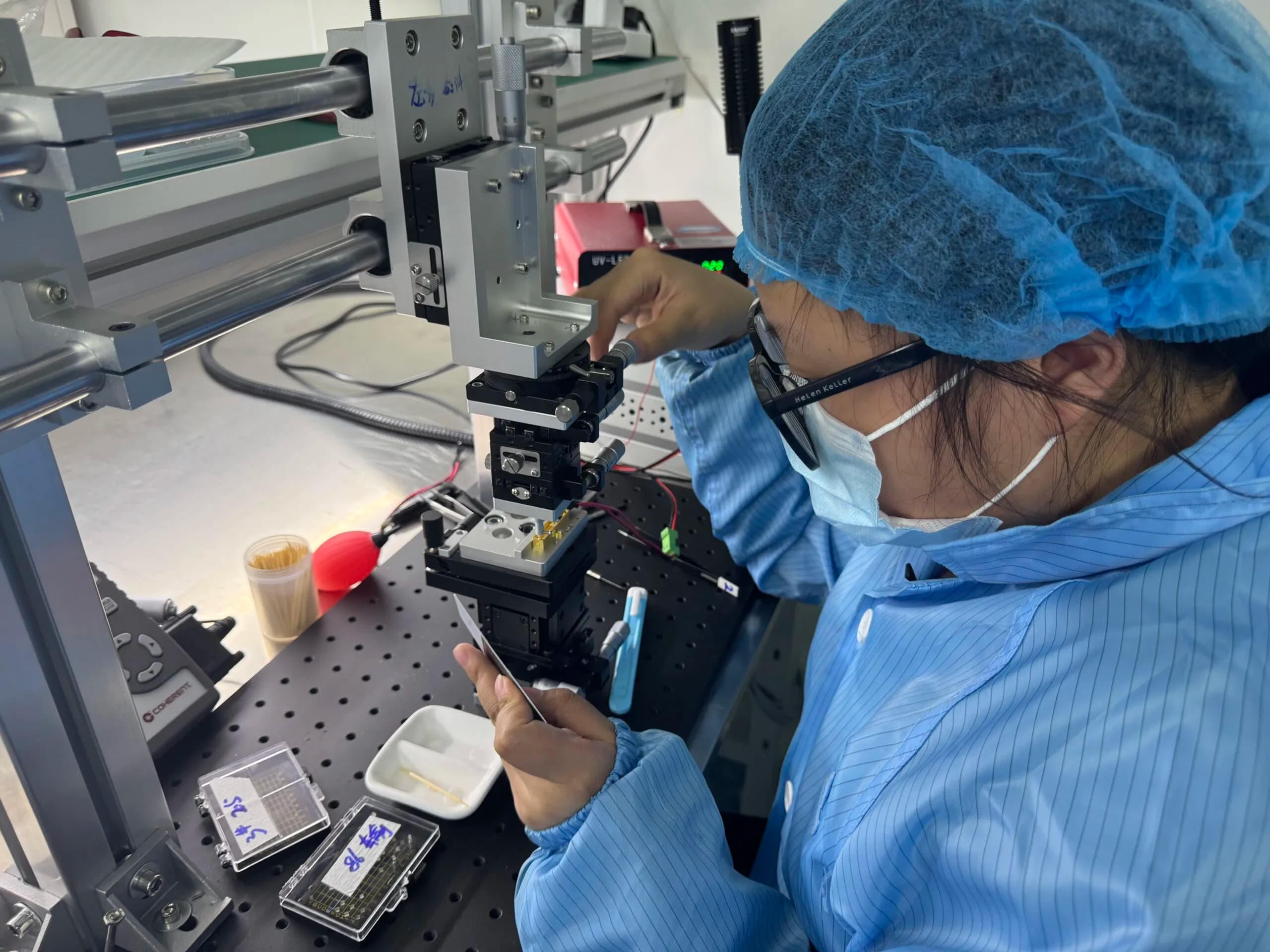
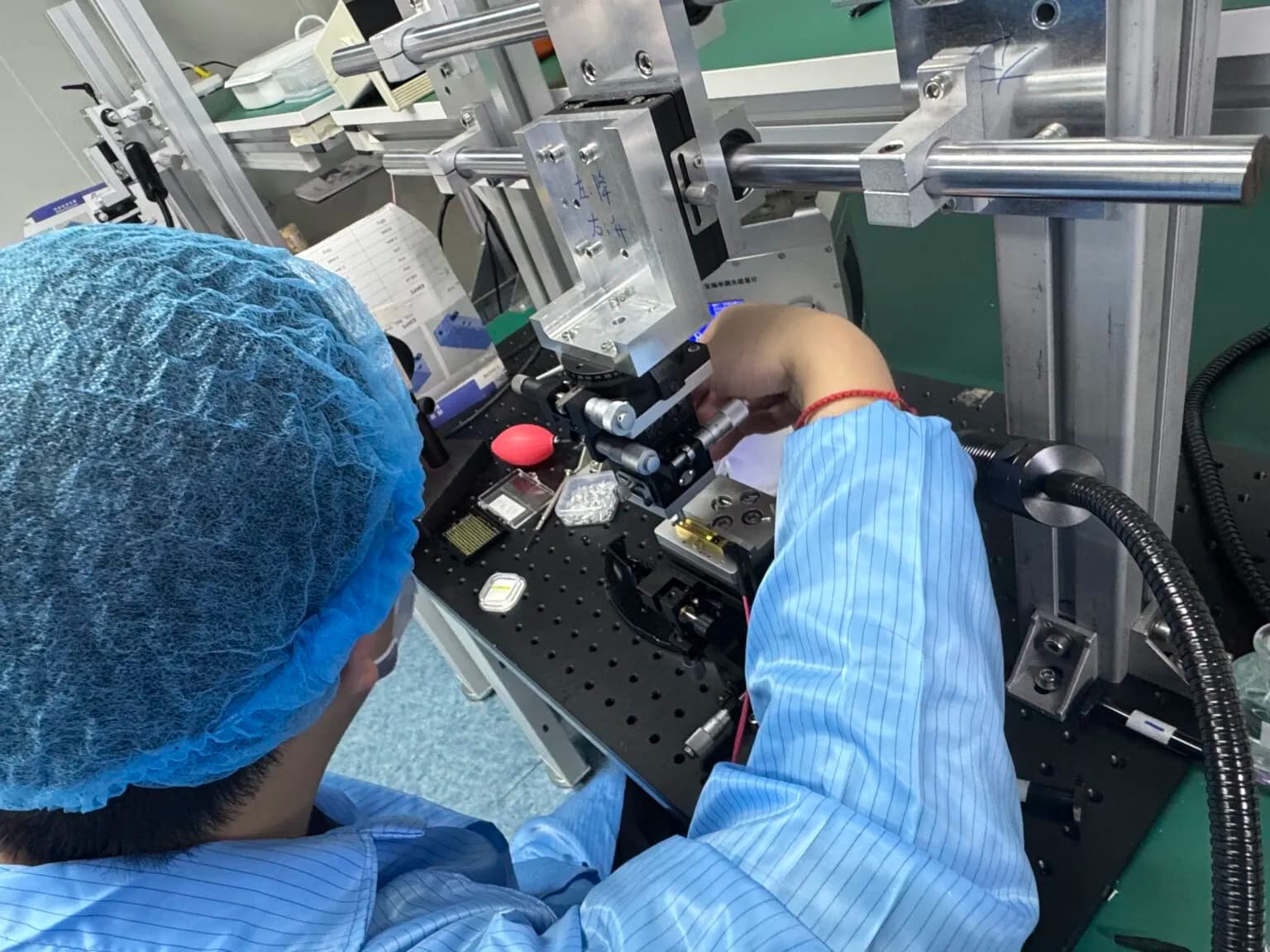
How are modules assembled, aligned and calibrated?
Controlled work instructions define cleanliness, assembly sequence, torque or bonding requirements, electrical checks and optical alignment. Calibration verifies model-specific range or output parameters against defined references. Final acceptance identifies the tested configuration, test conditions and applicable limits.
Which workmanship standards may apply to electronic assemblies?
Workmanship requirements are agreed by product and contract. Where requested, acceptance criteria can reference applicable documents such as IPC-A-610 and J-STD-001. A reference does not mean that every catalog product is certified to every class or revision.
Are all ERDI products qualified to MIL-STD-810?
No blanket claim applies. MIL-STD-810 describes environmental tailoring rather than one universal test profile. Applicable methods, severities, mounting, operating state and acceptance criteria must be stated in the model specification or project qualification plan.
Is every laser guaranteed for more than 30 million pulses?
Lifetime depends on architecture, pulse energy, repetition rate, duty cycle, temperature, drive conditions and the acceptance definition. A 30-million-pulse requirement is binding only when it appears in the controlled product specification or quotation together with the test profile.
What traceability and production records can be maintained?
Depending on the program, records can link the released configuration to material lots, key components, process travelers, calibration status, inspection results, test data and final release. Required serial-number, lot and document depth should be agreed before production because record scope affects cost and lead time.
How are design or component changes controlled?
A proposed change is evaluated for form, fit, function, interfaces, qualification status and supply continuity. Customer notification or approval requirements should be written into the contract or quality agreement. Released drawings, bills of materials, firmware and test procedures remain revision-controlled.
How ERDI Develops Laser Hardware
Development is reviewed as one optoelectronic system. A change in the source, coating, receiver, electronics, mechanics or firmware can affect the complete ranging result.
What does ERDI TECH LTD develop and manufacture?
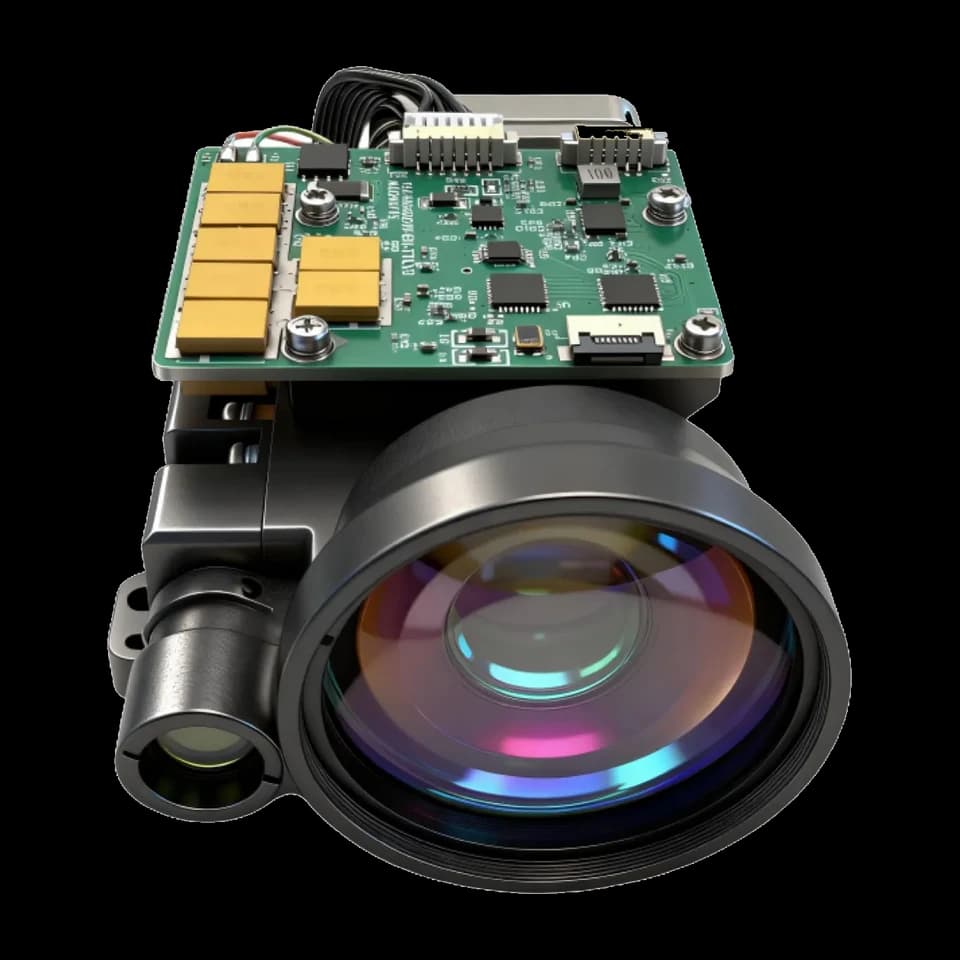
ERDI develops pulsed laser sources, laser rangefinder modules, laser designator hardware and supporting optoelectronic assemblies for OEM integration. Current platforms include erbium-glass sources and 1535 nm rangefinders, 905 nm ranging modules, and 1064 nm ranging and designation systems. The released datasheet defines the scope and performance of each model.
Which parts of a laser system are covered by ERDI's R&D work?
The engineering scope can cover source and resonator design, coating specification and verification, transmitter and receiver optics, detector electronics, pulse drive and timing, embedded control, mechanical packaging and thermal design. The exact manufacturing route, verification depth and deliverables are defined for each released product or custom program.
How does a new OEM development project begin?
Work begins with a requirements review covering the target and atmosphere, required range and accuracy, repetition rate, wavelength, host optics and window, electrical interface, mechanical envelope, thermal limits and acceptance method. Mandatory requirements are separated from preferences, and open assumptions are recorded before a prototype configuration is released.
How is a prototype different from a production unit?
A prototype verifies architecture, interfaces and integration assumptions. A production release also requires controlled drawings, approved materials, assembly instructions, inspection points, test limits and configuration records. Prototype observations become production commitments only when they are incorporated into the approved technical and commercial documents.
Review the engineering, manufacturing and support workflows
From Requirement to Released Product
- 01RequirementsApplication, operating conditions and acceptance criteria
- 02EngineeringOptical, electrical, mechanical and firmware review
- 03PrototypeBuild, interface integration and design verification
- 04ProductionControlled materials, instructions and process records
- 05VerificationAlignment, calibration and model-specific functional test
- 06ReleaseInspection evidence and configuration control
From Field Symptom to Verified Action
Useful support starts with repeatable evidence. ERDI reviews the complete host-to-module signal chain so an interface issue is not mistaken for an optical, mechanical or product fault.
- 01Capture the evidence
Record the exact model, configuration, host, environment and repeatable symptom.
- 02Reproduce the condition
Establish a controlled test that separates a one-time event from a repeatable failure.
- 03Isolate the layer
Review power, timing, protocol, optics, mechanics and environment as separate variables.
- 04Correct and verify
Evaluate the proposed correction against the original acceptance method and host interface.
- 05Close with records
Document the conclusion, applicable configuration and any approved corrective action.
Standards and Public Technical Sources
These sources describe common engineering and quality principles. Product conformity applies only when the exact standard, revision, scope and evidence are identified in controlled ERDI documentation.
Need an answer tied to a real configuration?
Include the application, target, range, interface, SWaP, environment and procurement phase. ERDI will identify the missing assumptions before recommending a product or test path.