

1535nm Laser Rangefinder Module
-
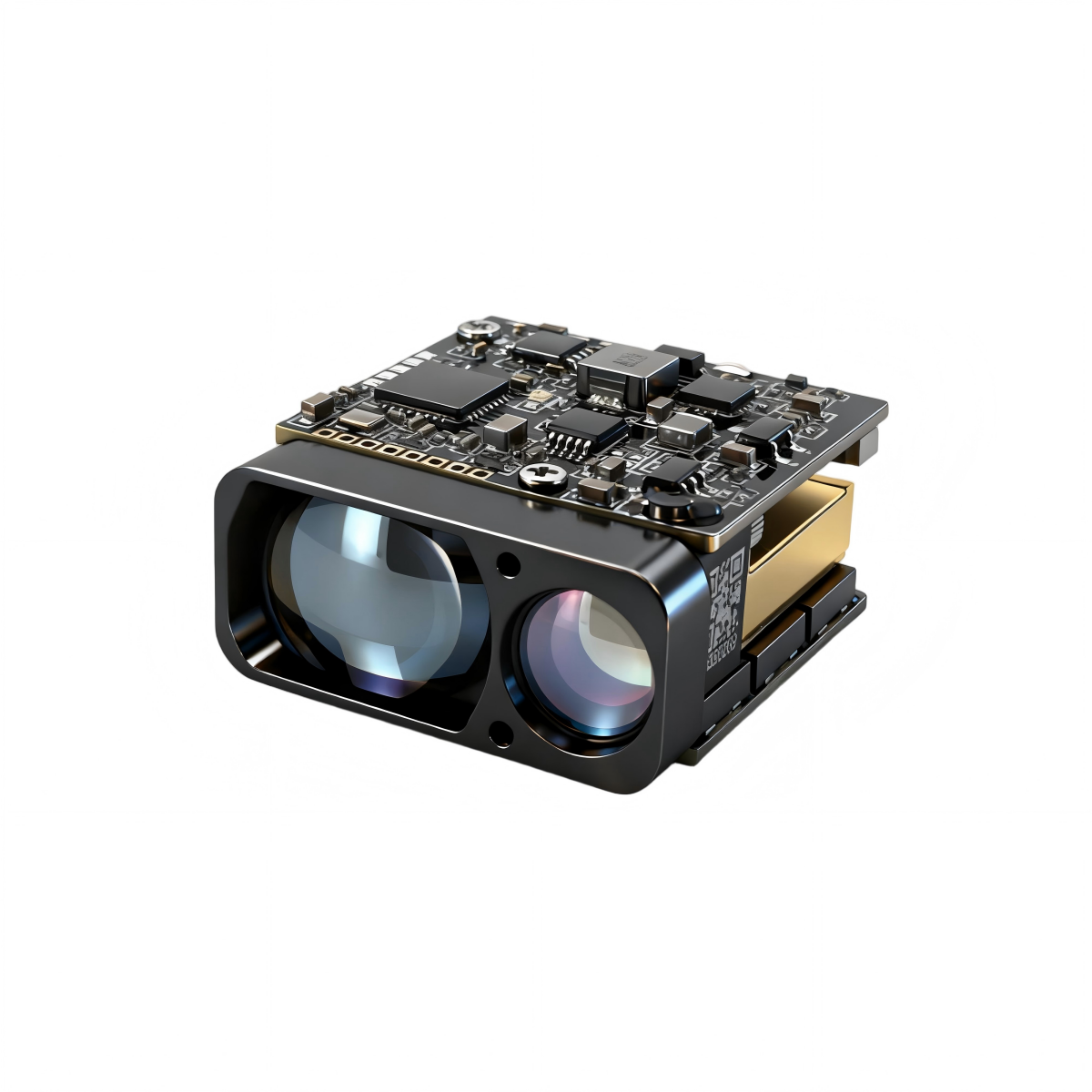
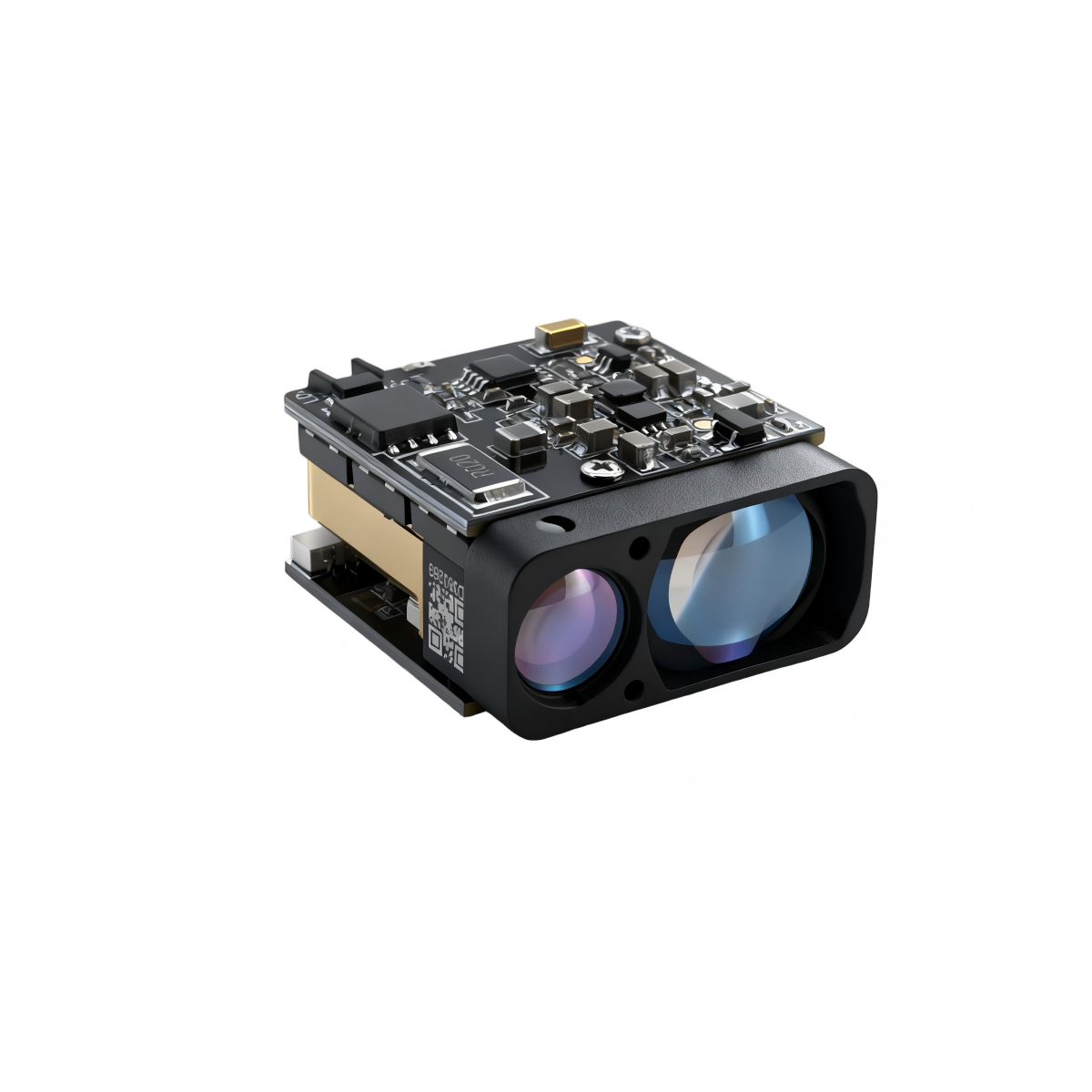
LRF0305C 1535nm Mini Eye-Safe Laser Rangefinder Module for UAV Navigation, Robotics and EO/IR Sensors
 Im Sale
LRF0305C 1535nm Mini Eye-Safe Laser Rangefinder Module for UAV Navigation, Robotics and EO/IR Sensors
$1,000.00 USD $1,200.00 USD -
LRF0306C 1535nm Mini Eye-Safe Laser Rangefinder Module for Drones, Robots and Smart EO/IR Sensors
Im Sale
LRF0306C 1535nm Mini Eye-Safe Laser Rangefinder Module for Drones, Robots and Smart EO/IR Sensors
$1,000.00 USD $1,200.00 USD -
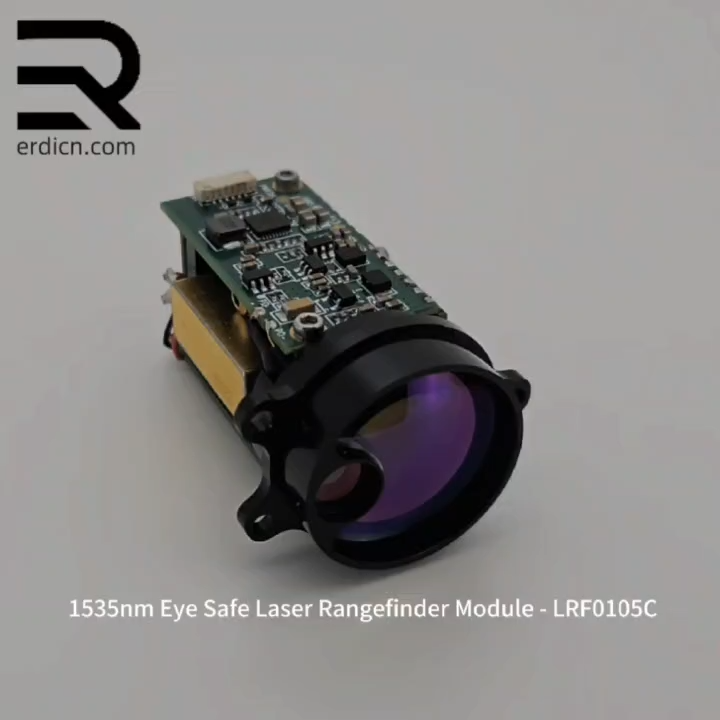
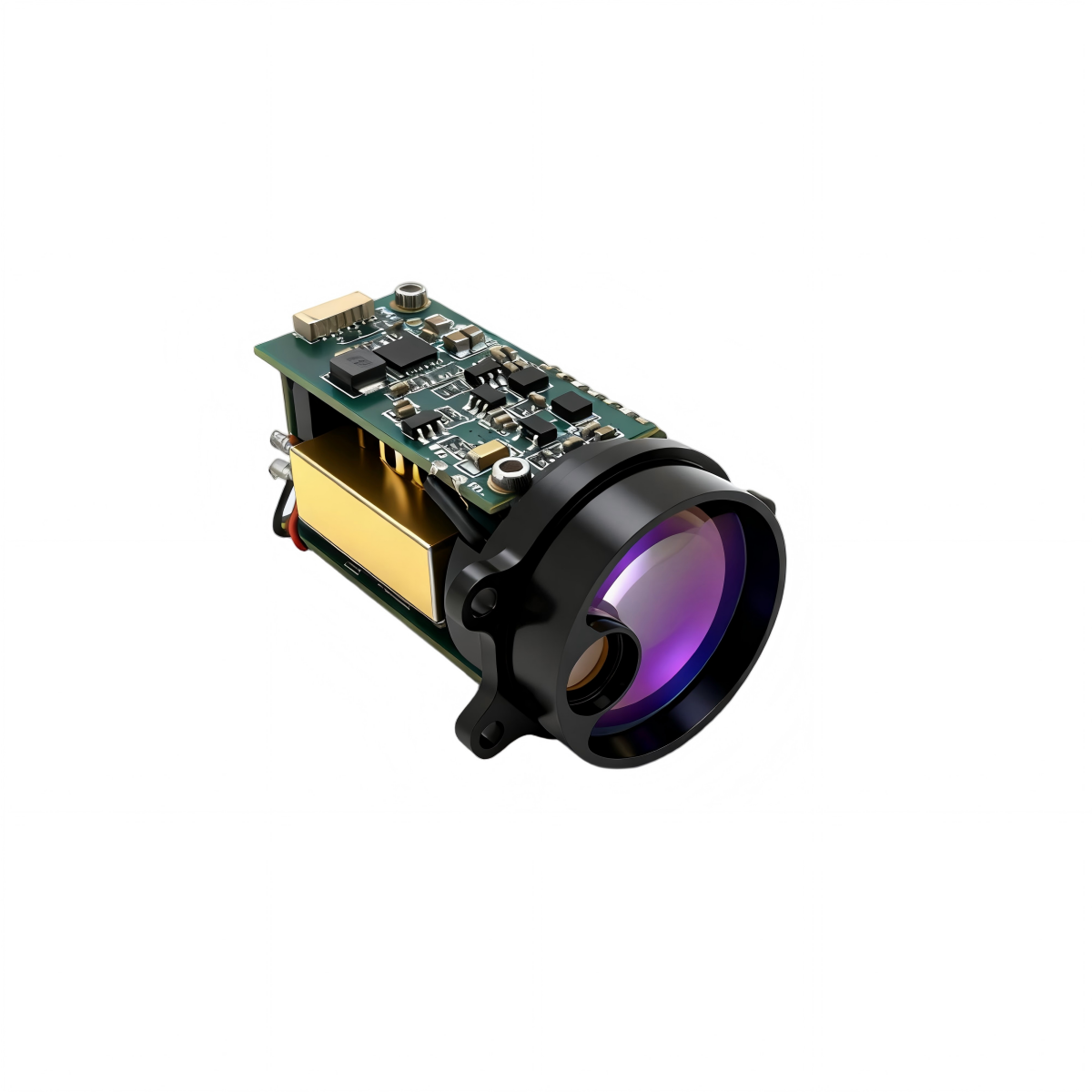
LRF0105C 1535nm Mini Eye-Safe Laser Rangefinder Module for UAV Gimbals, Handheld Optics and Smart Sensors
 Im Sale
LRF0105C 1535nm Mini Eye-Safe Laser Rangefinder Module for UAV Gimbals, Handheld Optics and Smart Sensors
$1,000.00 USD $1,200.00 USD -
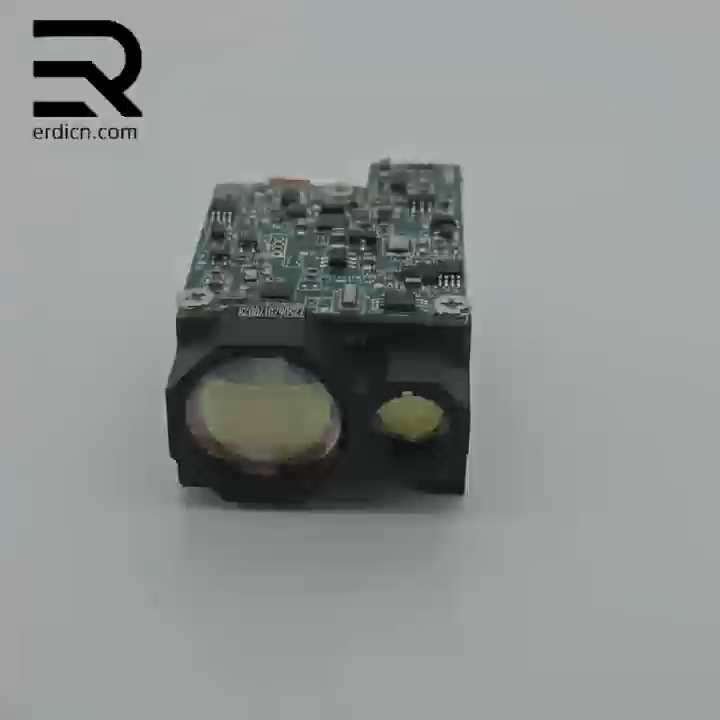
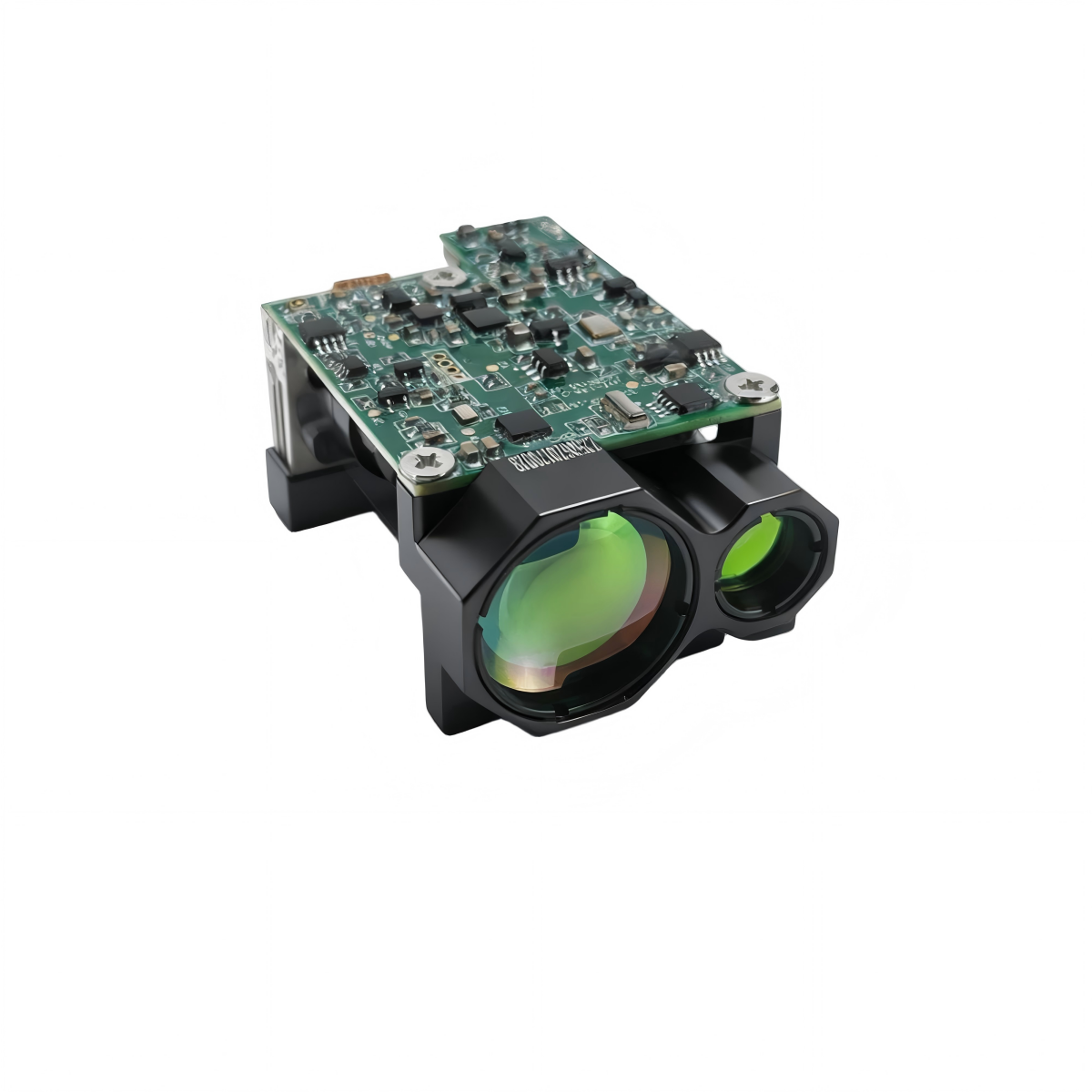
LRF0310C 1535nm Eye-Safe Laser Rangefinder Module for UAV Gimbals, Optical Pods and Border Surveillance
 Im Sale
LRF0310C 1535nm Eye-Safe Laser Rangefinder Module for UAV Gimbals, Optical Pods and Border Surveillance
$1,000.00 USD $1,200.00 USD -
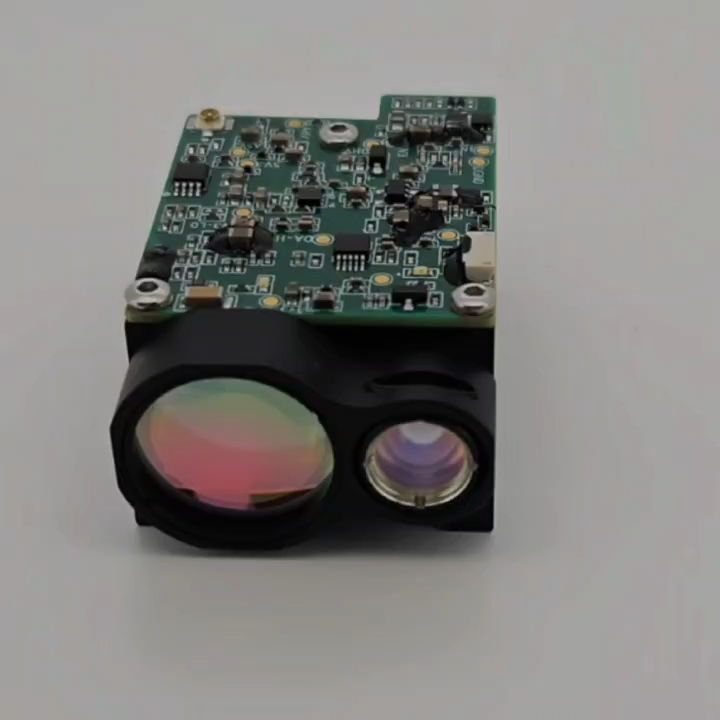
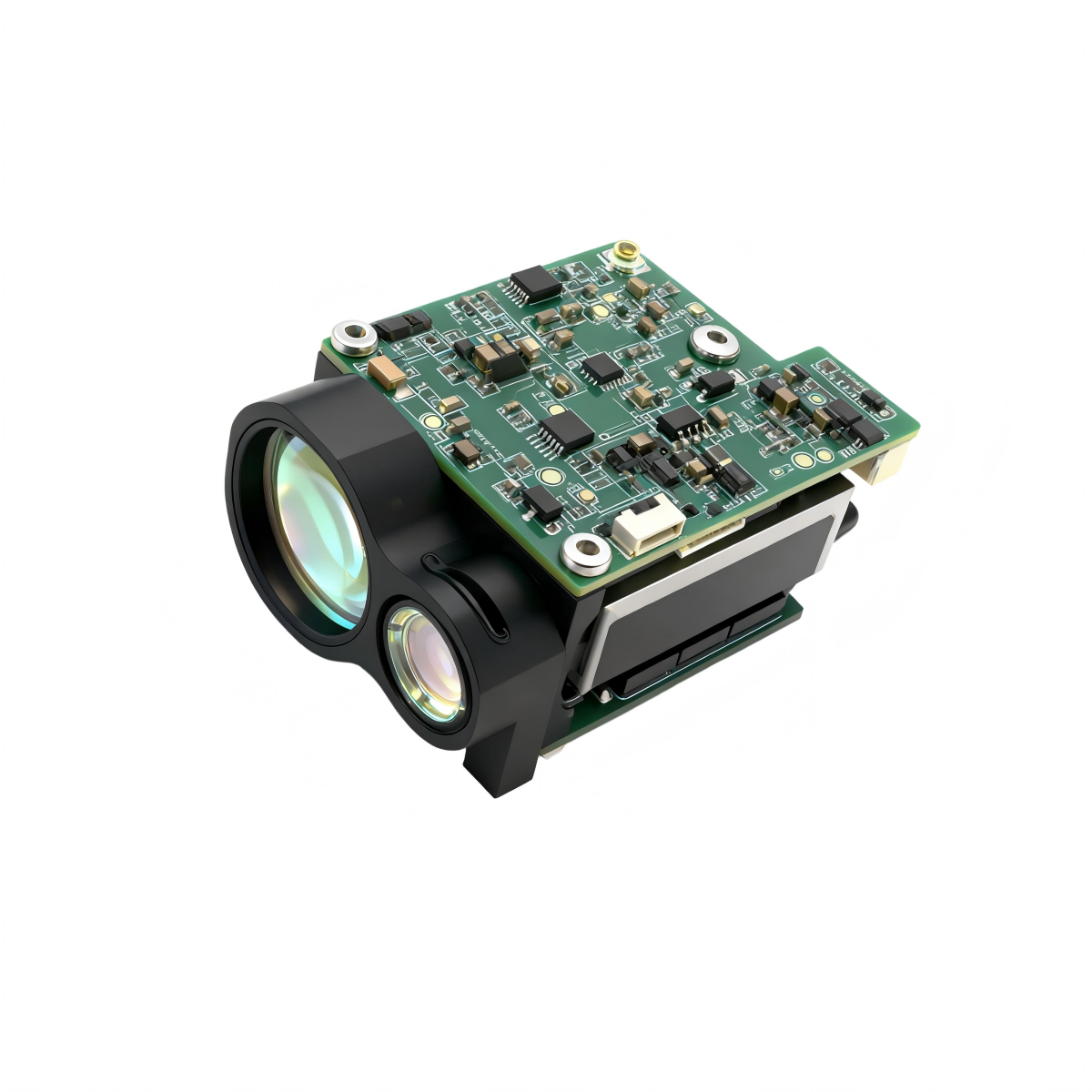
LRF0405C 4km 1535nm Eye-Safe Laser Rangefinder Module for UAV Gimbals, Vehicle EO/IR and Security Sensors
 Im Sale
LRF0405C 4km 1535nm Eye-Safe Laser Rangefinder Module for UAV Gimbals, Vehicle EO/IR and Security Sensors
$1,000.00 USD $1,200.00 USD -
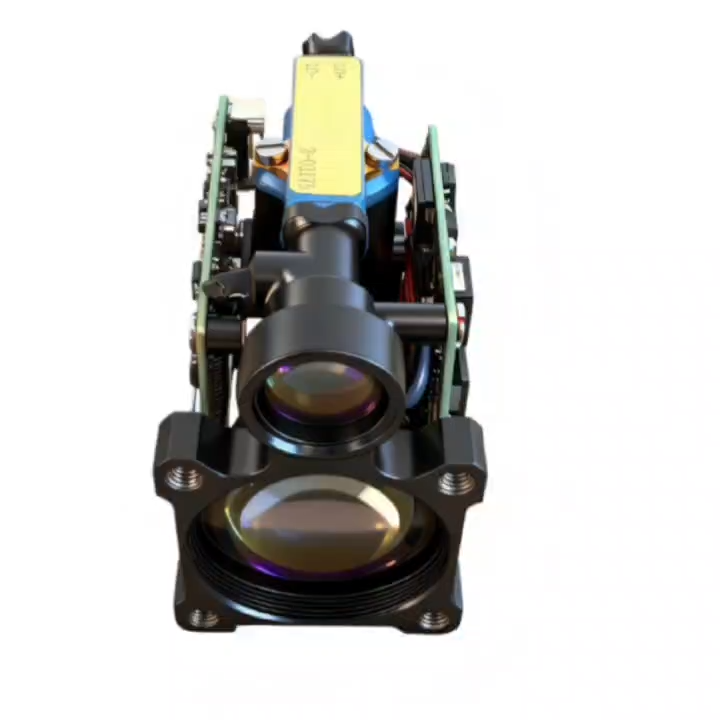
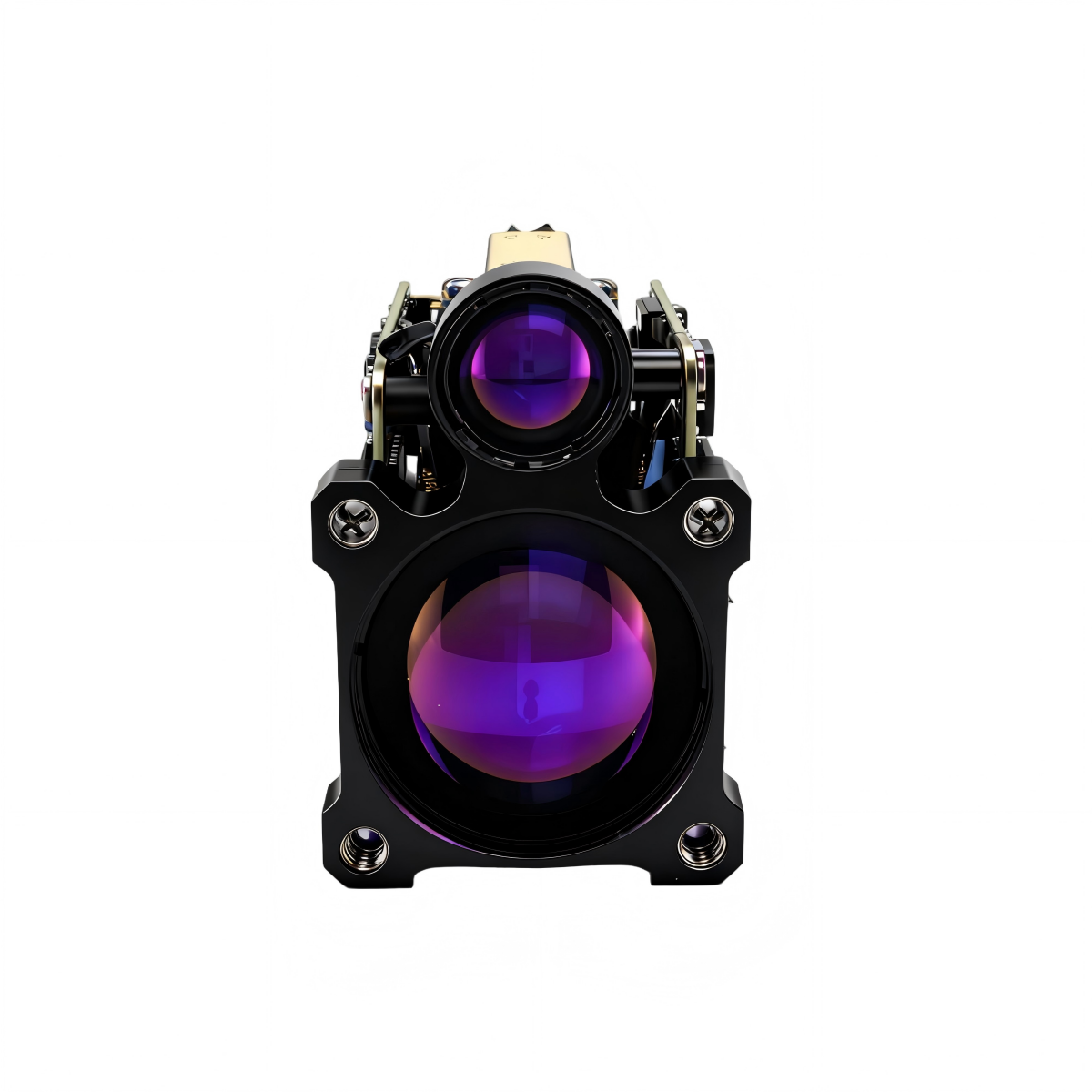
LRF0609C 6km 1535nm Eye-Safe Laser Rangefinder Module for UAV, Vehicle EO/IR and Security Cameras
 Im Sale
LRF0609C 6km 1535nm Eye-Safe Laser Rangefinder Module for UAV, Vehicle EO/IR and Security Cameras
$1,000.00 USD $1,200.00 USD -
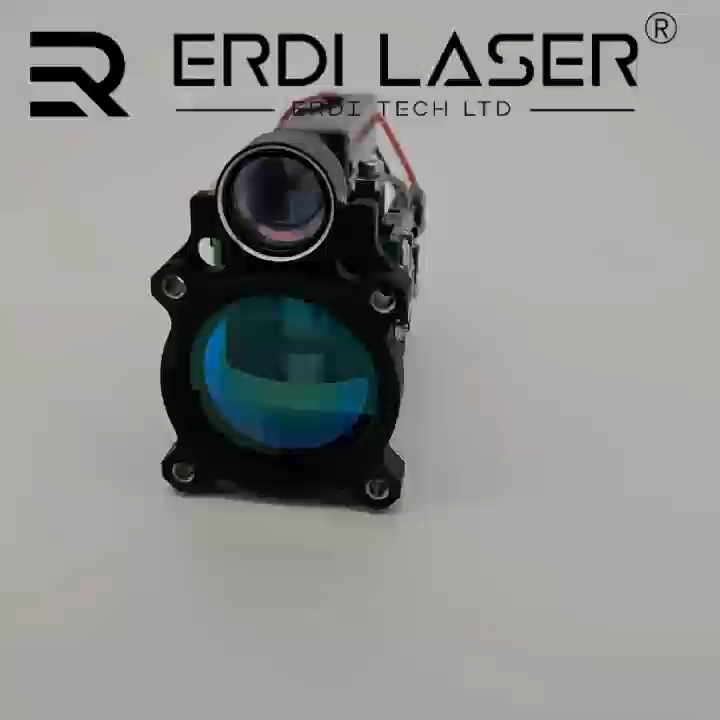
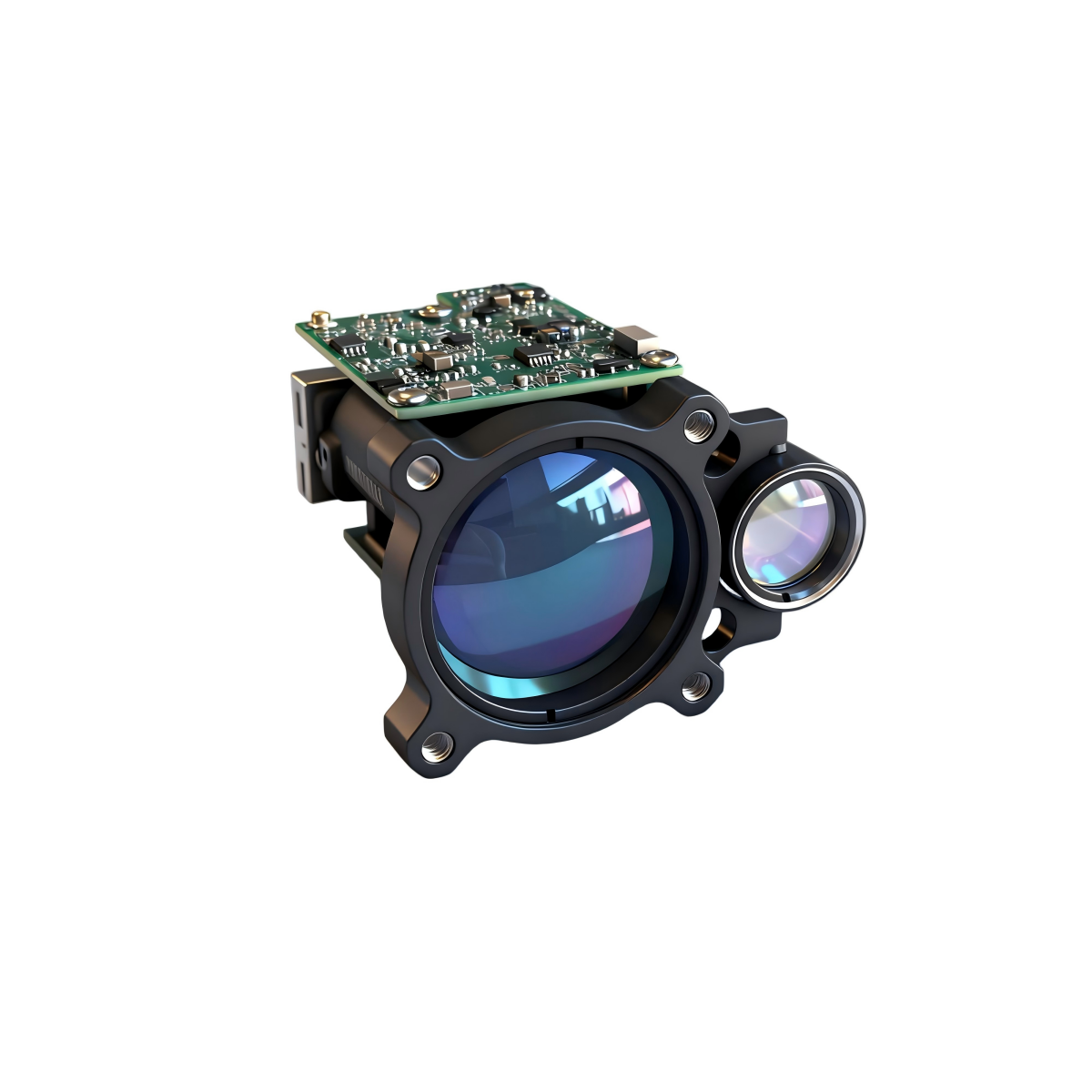
LRF0612C 6km 1535nm Eye-Safe Multi-Pulse Laser Rangefinder Module for Security, Traffic and UAV Systems
 Im Sale
LRF0612C 6km 1535nm Eye-Safe Multi-Pulse Laser Rangefinder Module for Security, Traffic and UAV Systems
$1,000.00 USD $1,200.00 USD -
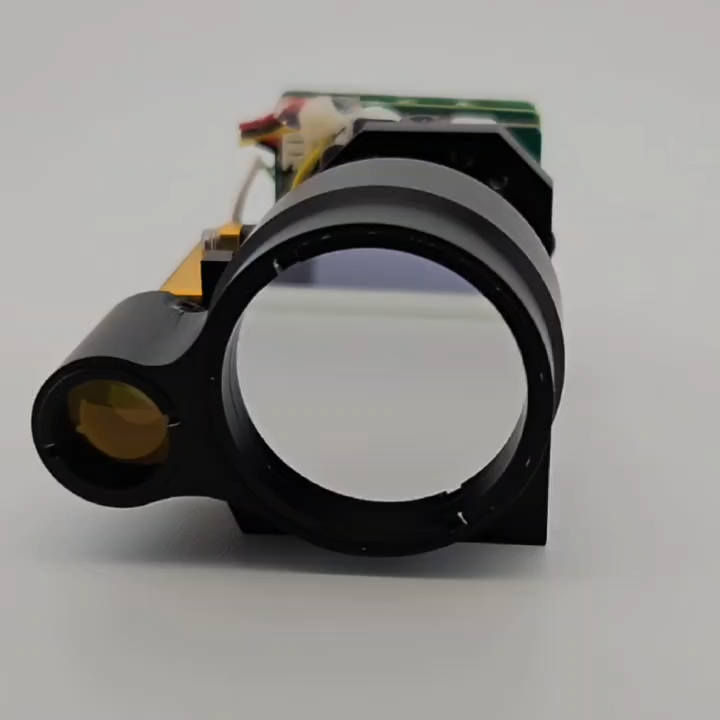
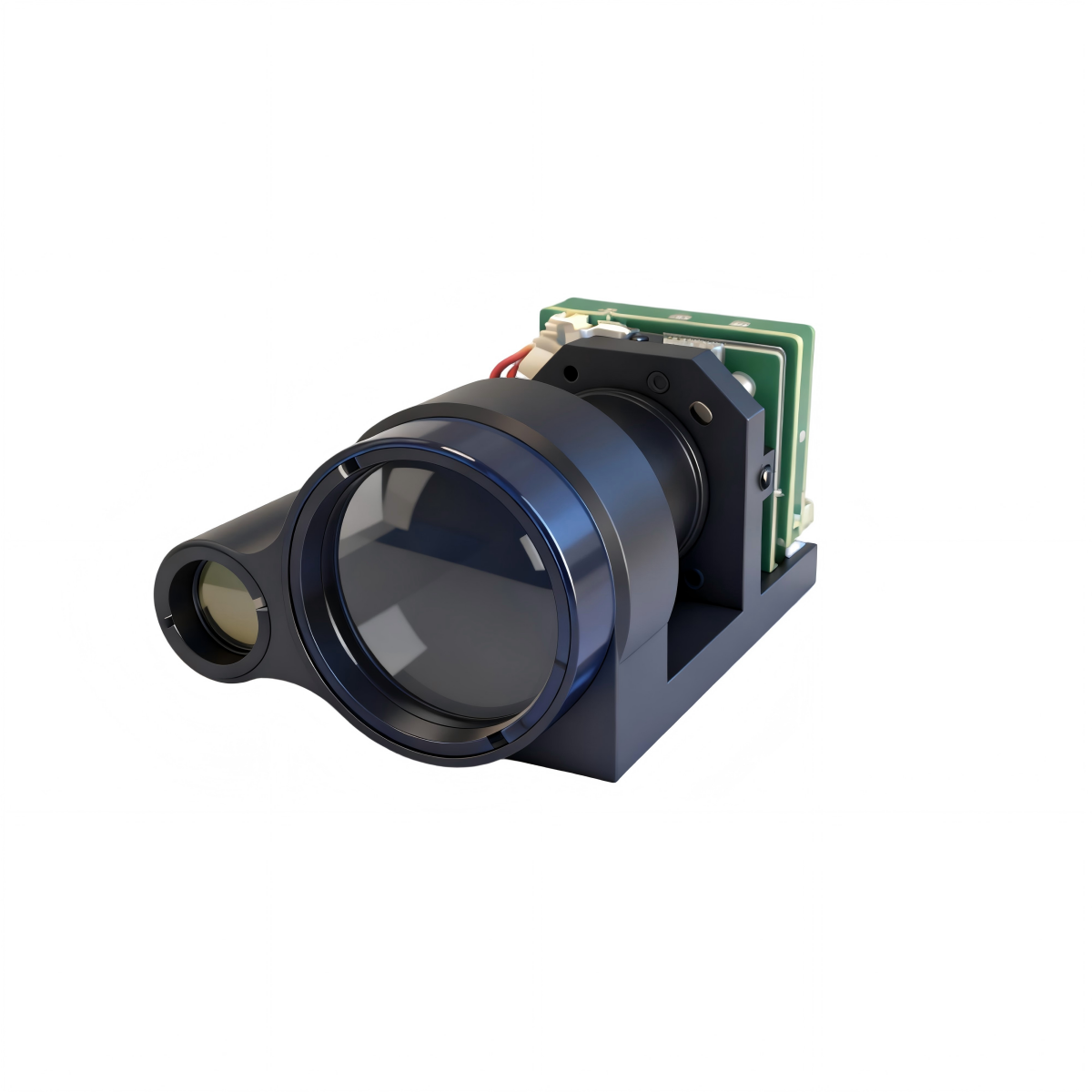
LRF0610C 6km 1535nm Eye-Safe Multi-Pulse Laser Rangefinder Module with TTL / RS-422 Interface
 Im Sale
LRF0610C 6km 1535nm Eye-Safe Multi-Pulse Laser Rangefinder Module with TTL / RS-422 Interface
$1,000.00 USD $1,200.00 USD -
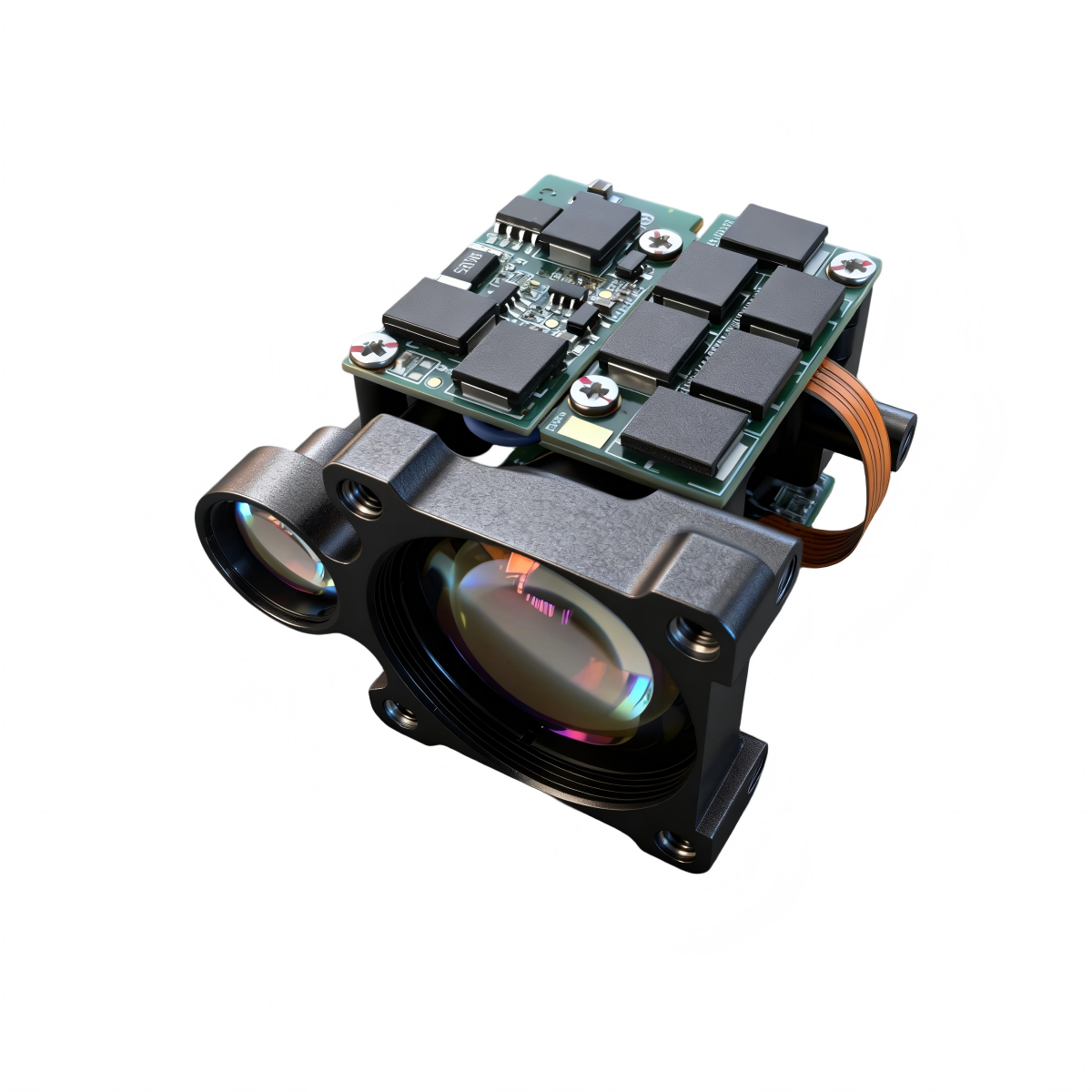
LRF0818C Mini 8km 1535nm Eye-Safe Laser Rangefinder Sensor for UAV Gimbals, Handheld Optics and Security Systems
 Im Sale
LRF0818C Mini 8km 1535nm Eye-Safe Laser Rangefinder Sensor for UAV Gimbals, Handheld Optics and Security Systems
$1,000.00 USD $1,200.00 USD -
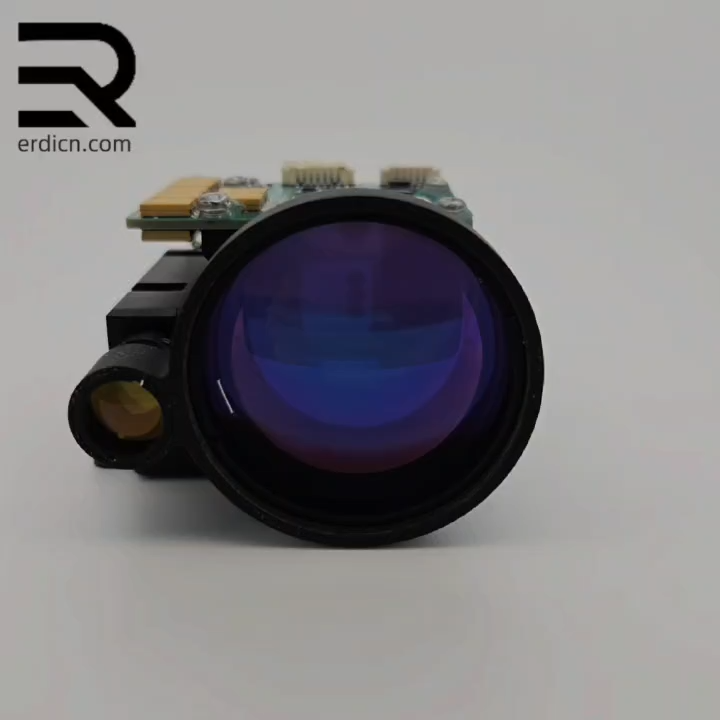
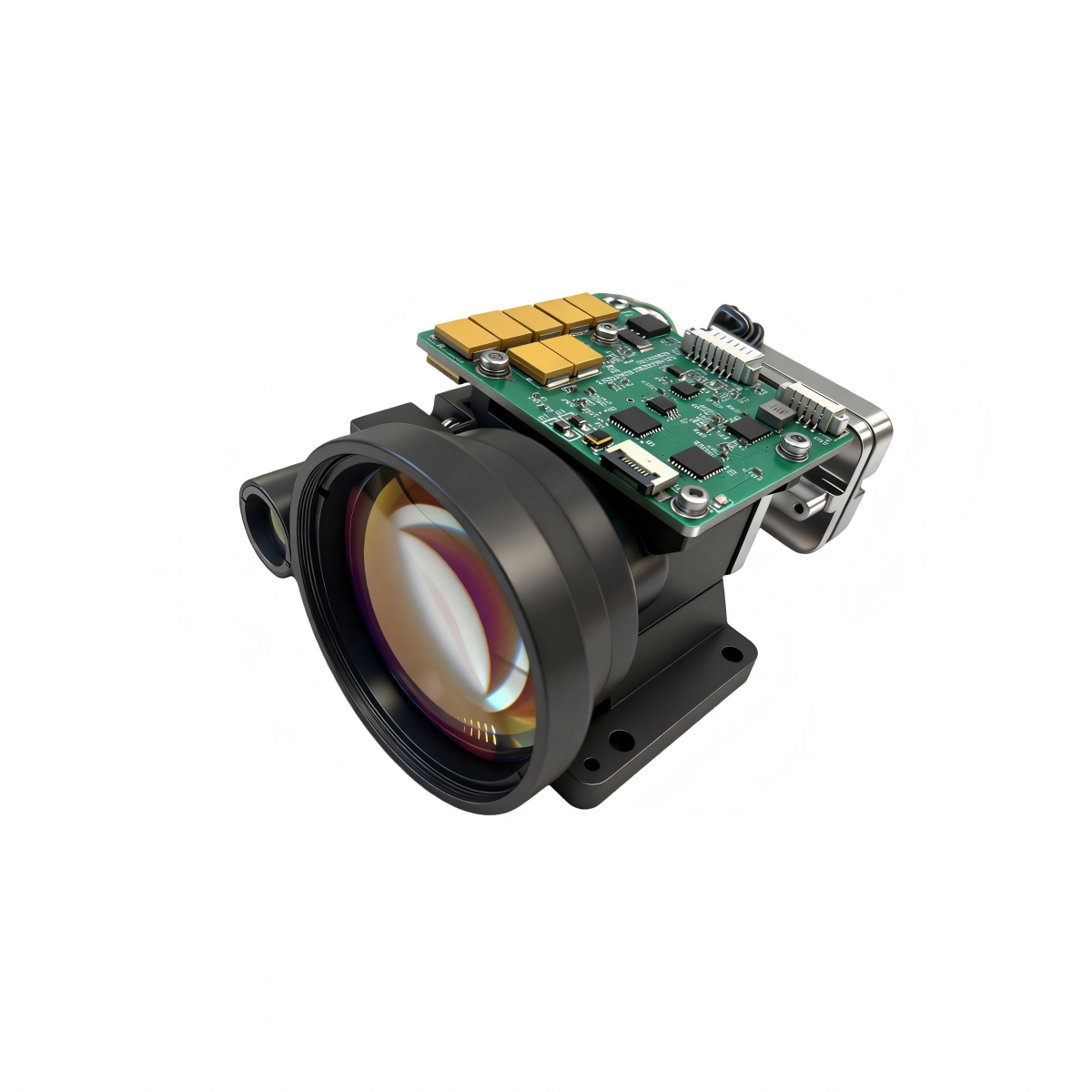
LRF0815C 8km 1535nm Eye-Safe OEM Laser Rangefinder Module for Reconnaissance, Measurement and Mapping
 Im Sale
LRF0815C 8km 1535nm Eye-Safe OEM Laser Rangefinder Module for Reconnaissance, Measurement and Mapping
$1,000.00 USD $1,200.00 USD -
LRF0816C 8km 1535nm Eye-Safe Multi-Pulse Laser Rangefinder Module for Security Monitoring, UAV and Thermal Imaging
Im Sale
LRF0816C 8km 1535nm Eye-Safe Multi-Pulse Laser Rangefinder Module for Security Monitoring, UAV and Thermal Imaging
$1,000.00 USD $1,200.00 USD -
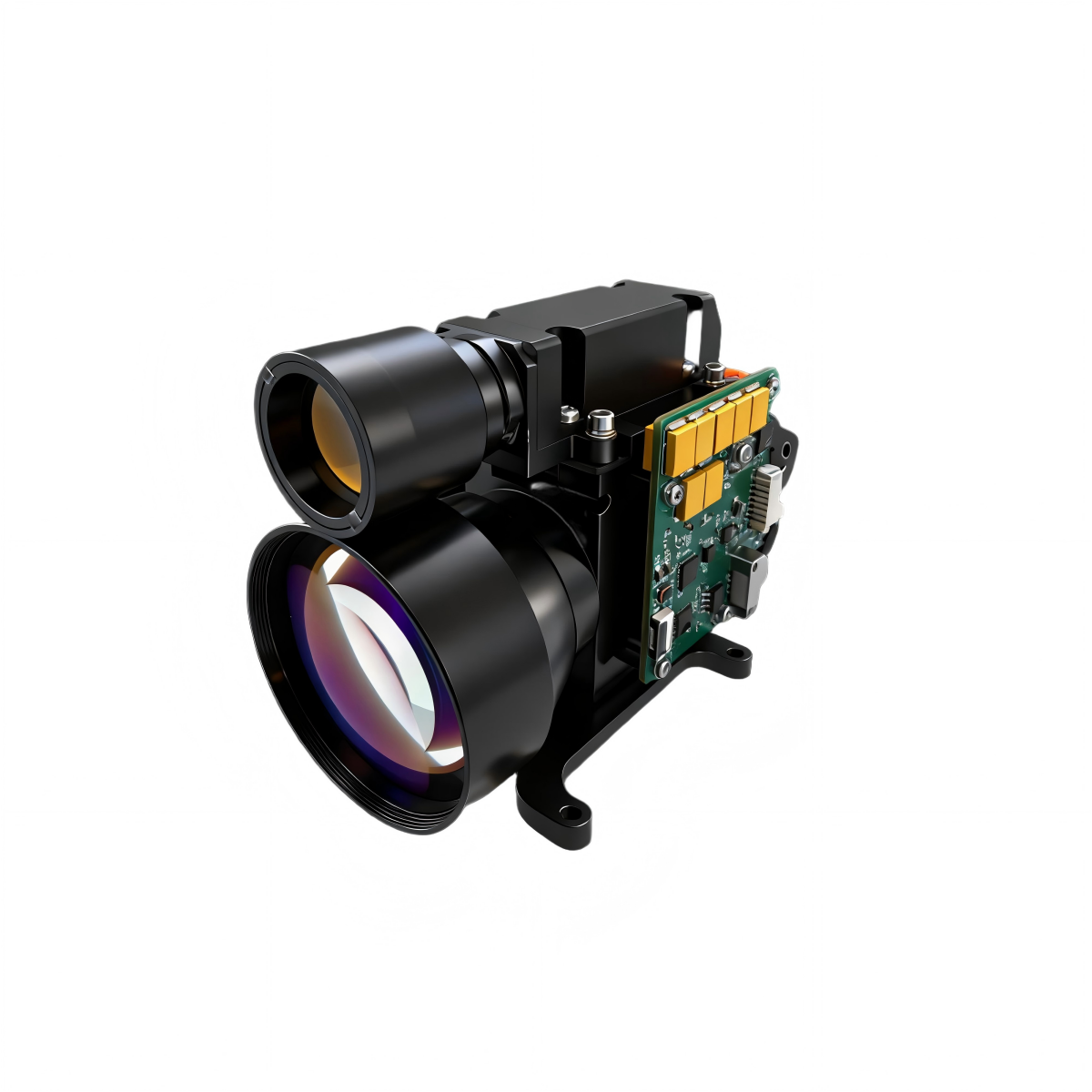
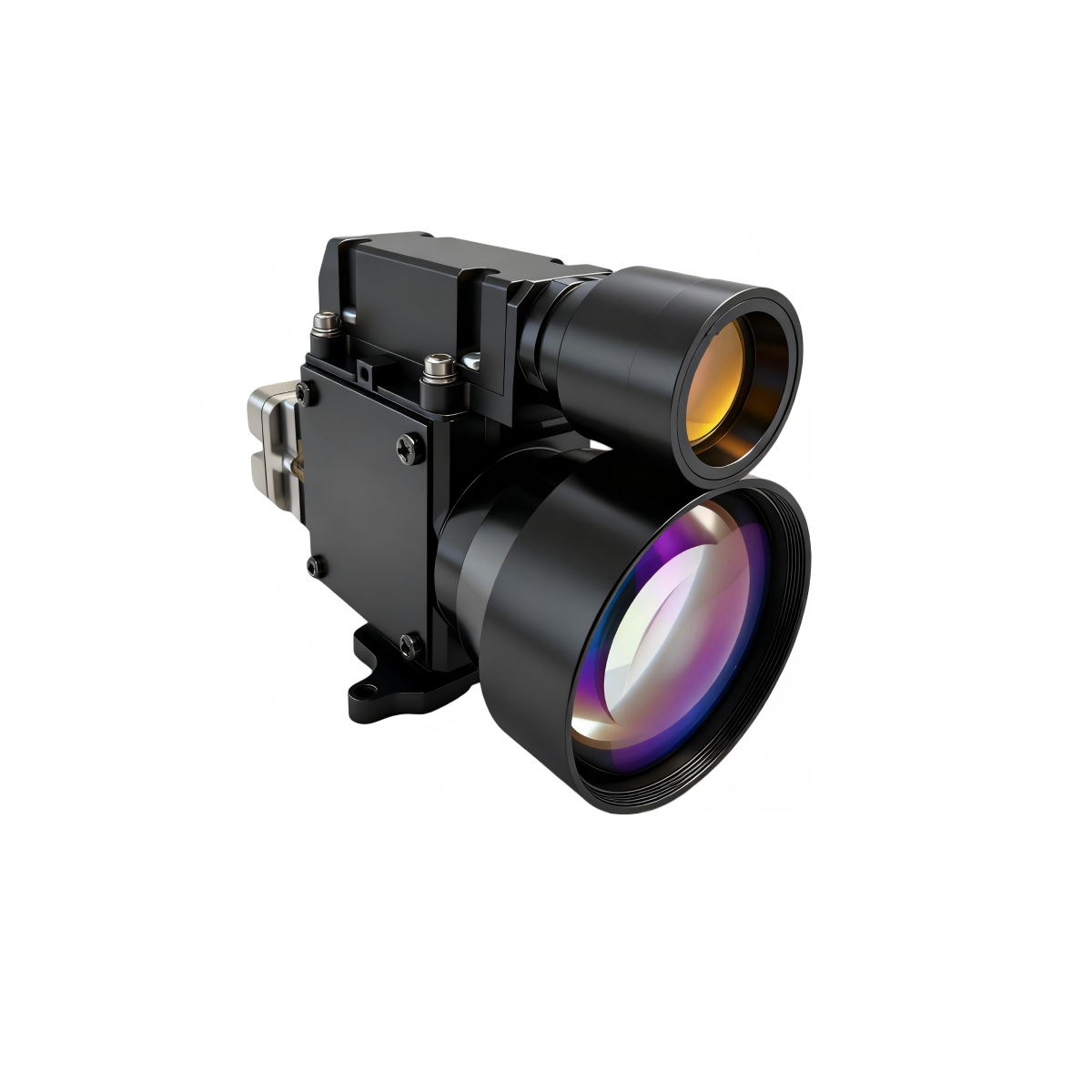
LRF1017C 10km 1535nm Eye-Safe Long-Range Laser Rangefinder Module for Border, Coastal and Mapping Systems
 Im Sale
LRF1017C 10km 1535nm Eye-Safe Long-Range Laser Rangefinder Module for Border, Coastal and Mapping Systems
$1,000.00 USD $1,200.00 USD -
LRF1221C 12km 1535nm Eye-Safe Long-Range Laser Rangefinder Module for Border, Coastal and Mapping Systems
 Im Sale
LRF1221C 12km 1535nm Eye-Safe Long-Range Laser Rangefinder Module for Border, Coastal and Mapping Systems
$1,000.00 USD $1,200.00 USD -
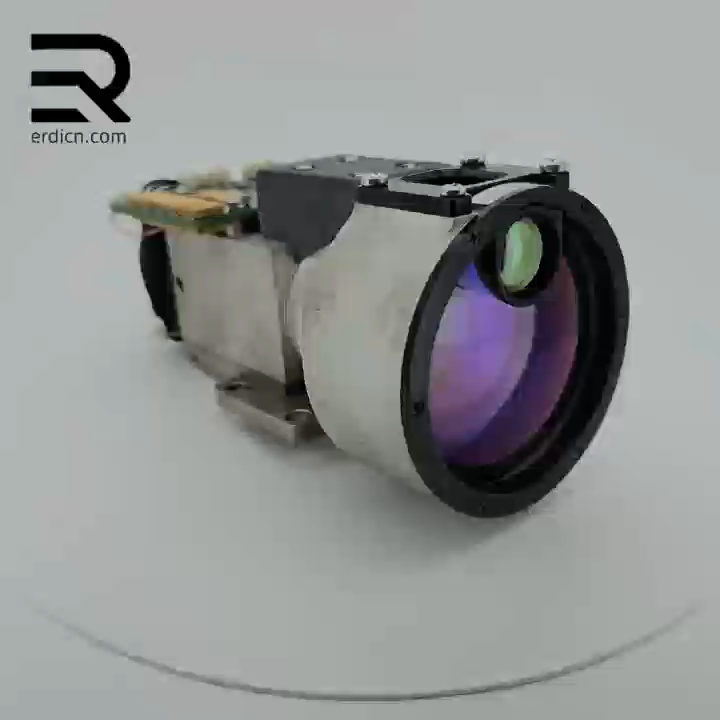
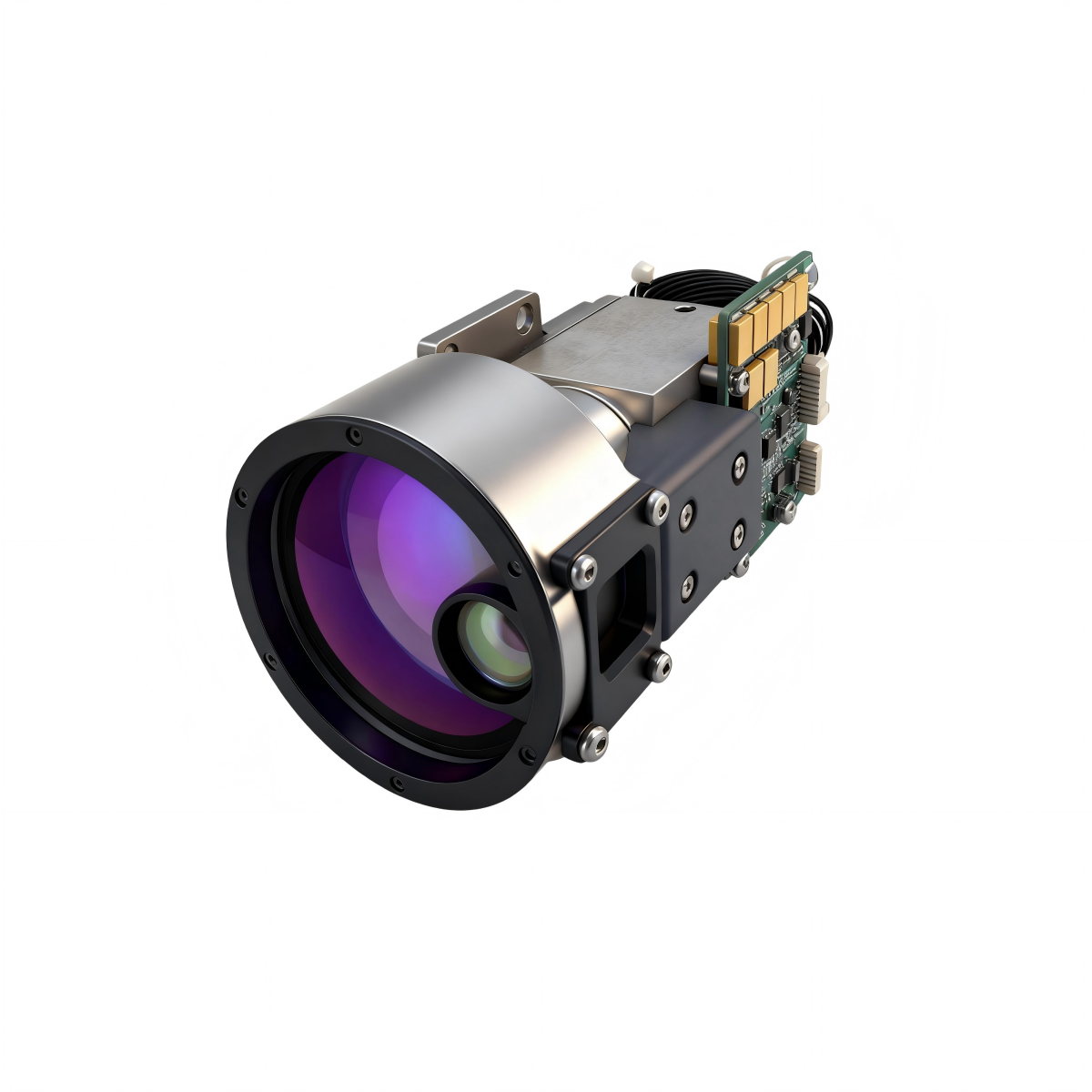
LRF1222C 12 km 1535 nm Eye-Safe Laser Rangefinder Module for Border Surveillance, Vehicle Turrets and Shipborne EO/IR
 Im Sale
LRF1222C 12 km 1535 nm Eye-Safe Laser Rangefinder Module for Border Surveillance, Vehicle Turrets and Shipborne EO/IR
$1,000.00 USD $1,200.00 USD -
LRF1525C 15km 1535nm Eye-Safe Laser Rangefinder Module for Multi-Platform EO/IR and Optical Platforms
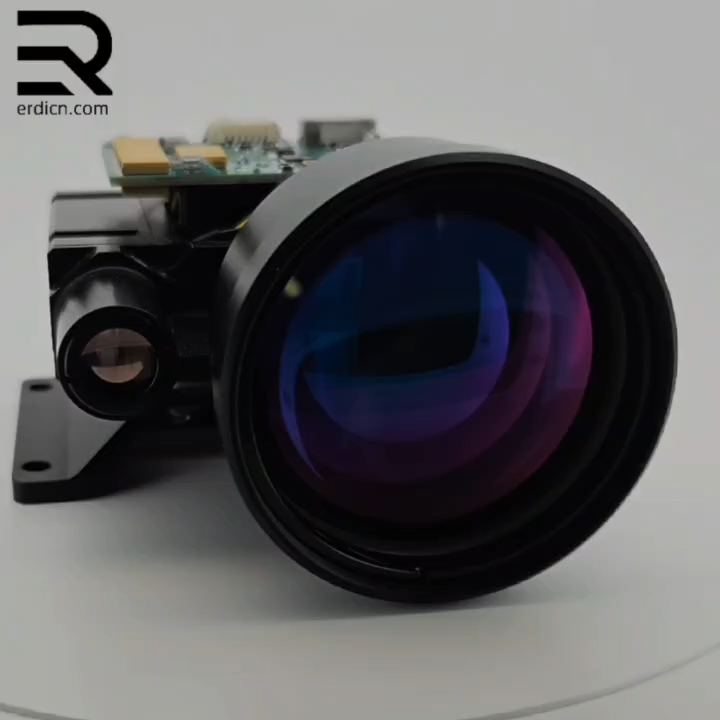
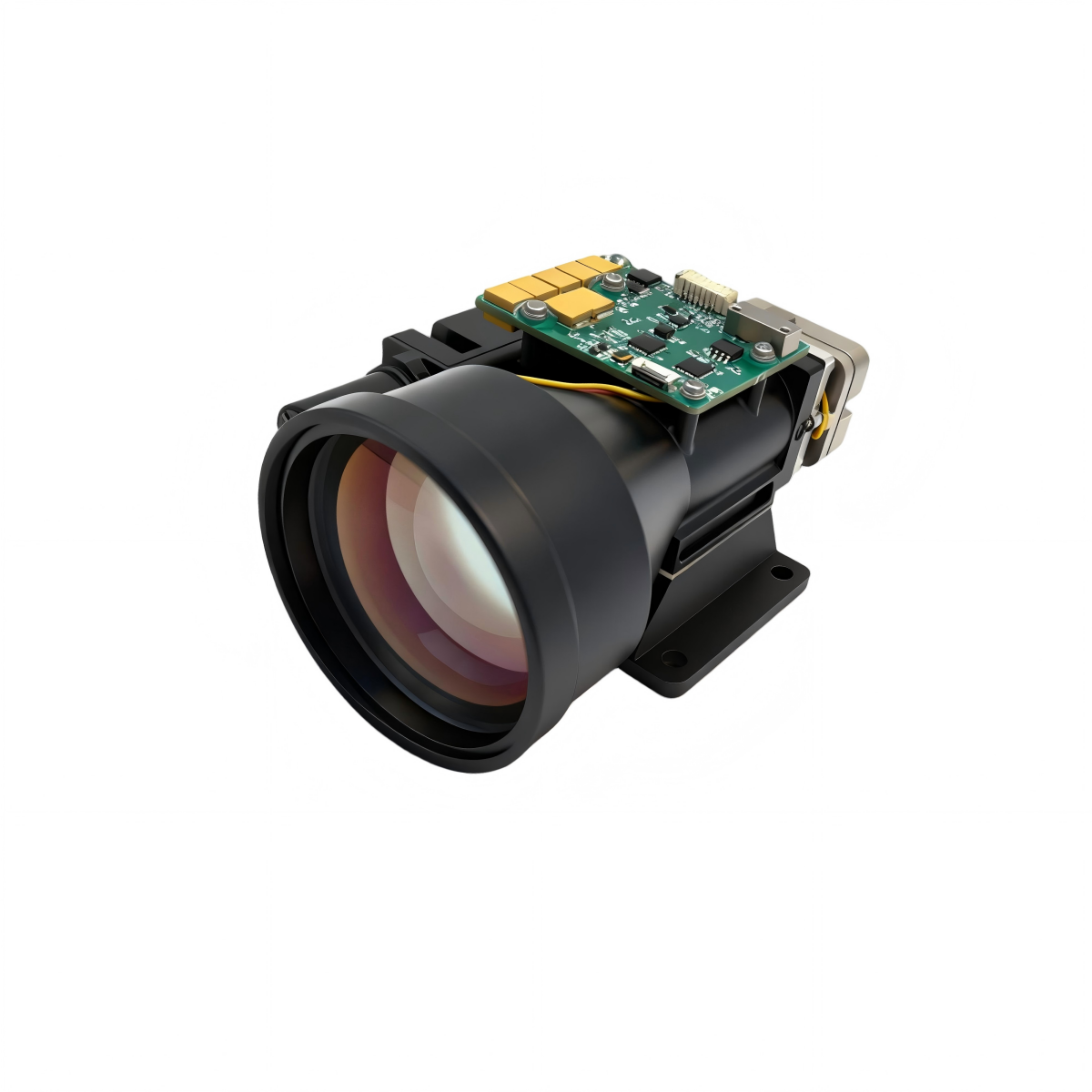
LRF1525C 15km 1535nm Eye-Safe Laser Rangefinder Module for Multi-Platform EO/IR and Optical Platforms
$3,000.00 USD -
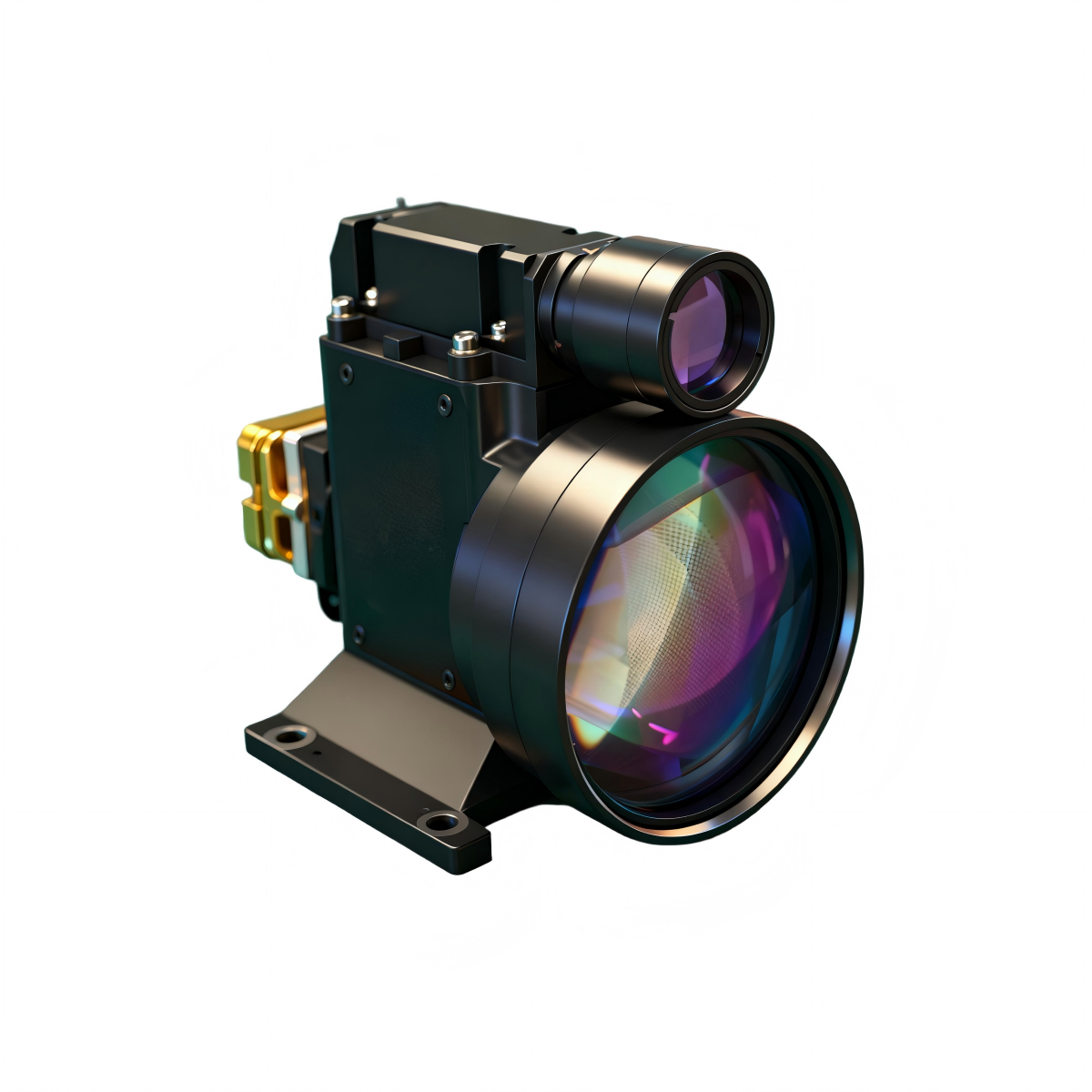
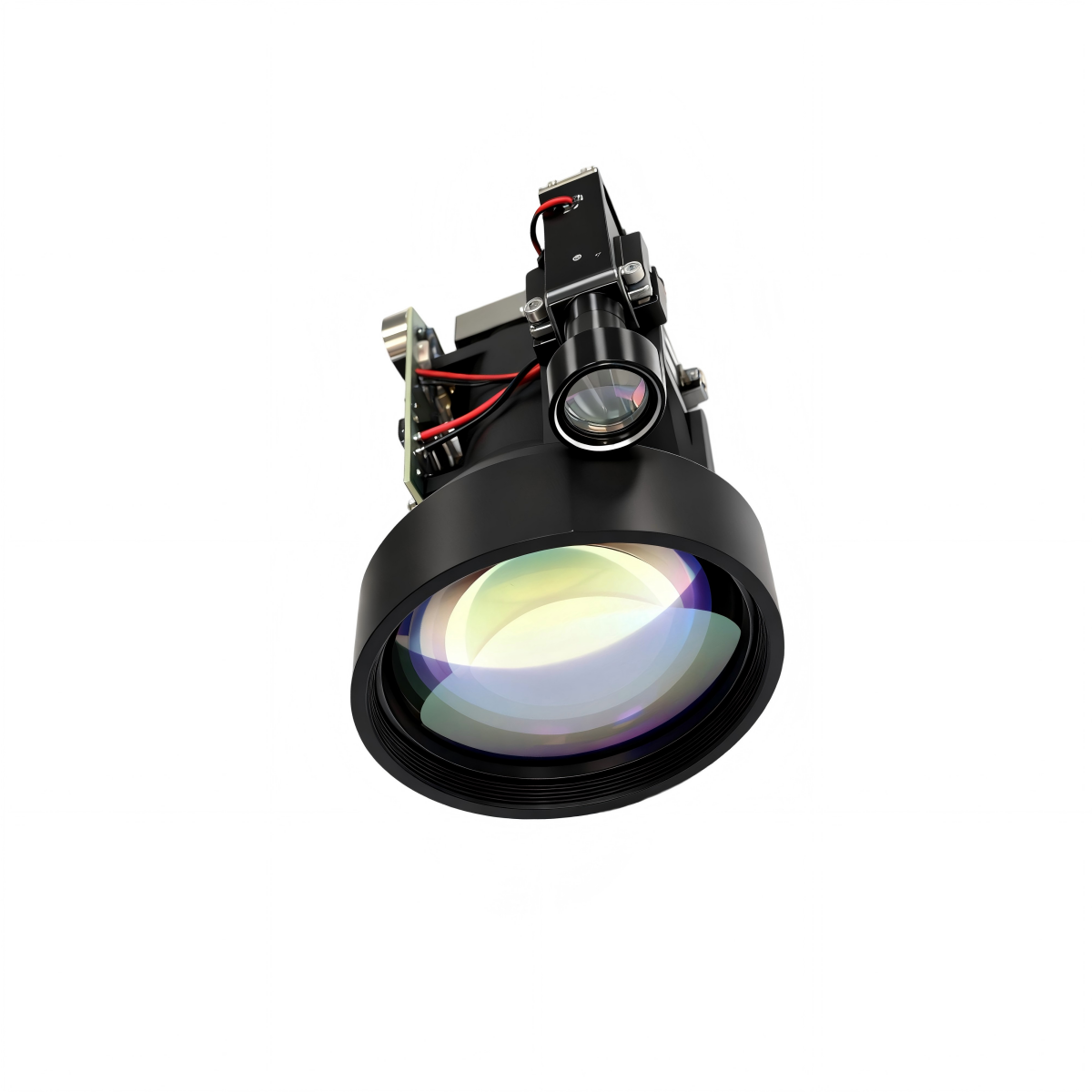
LRF1829C 18–23km 1535nm Eye-Safe Ultra Long-Range Laser Rangefinder Module for Coastal, Border and Strategic EO/IR Systems
 Im Sale
LRF1829C 18–23km 1535nm Eye-Safe Ultra Long-Range Laser Rangefinder Module for Coastal, Border and Strategic EO/IR Systems
$1,000.00 USD $1,200.00 USD -
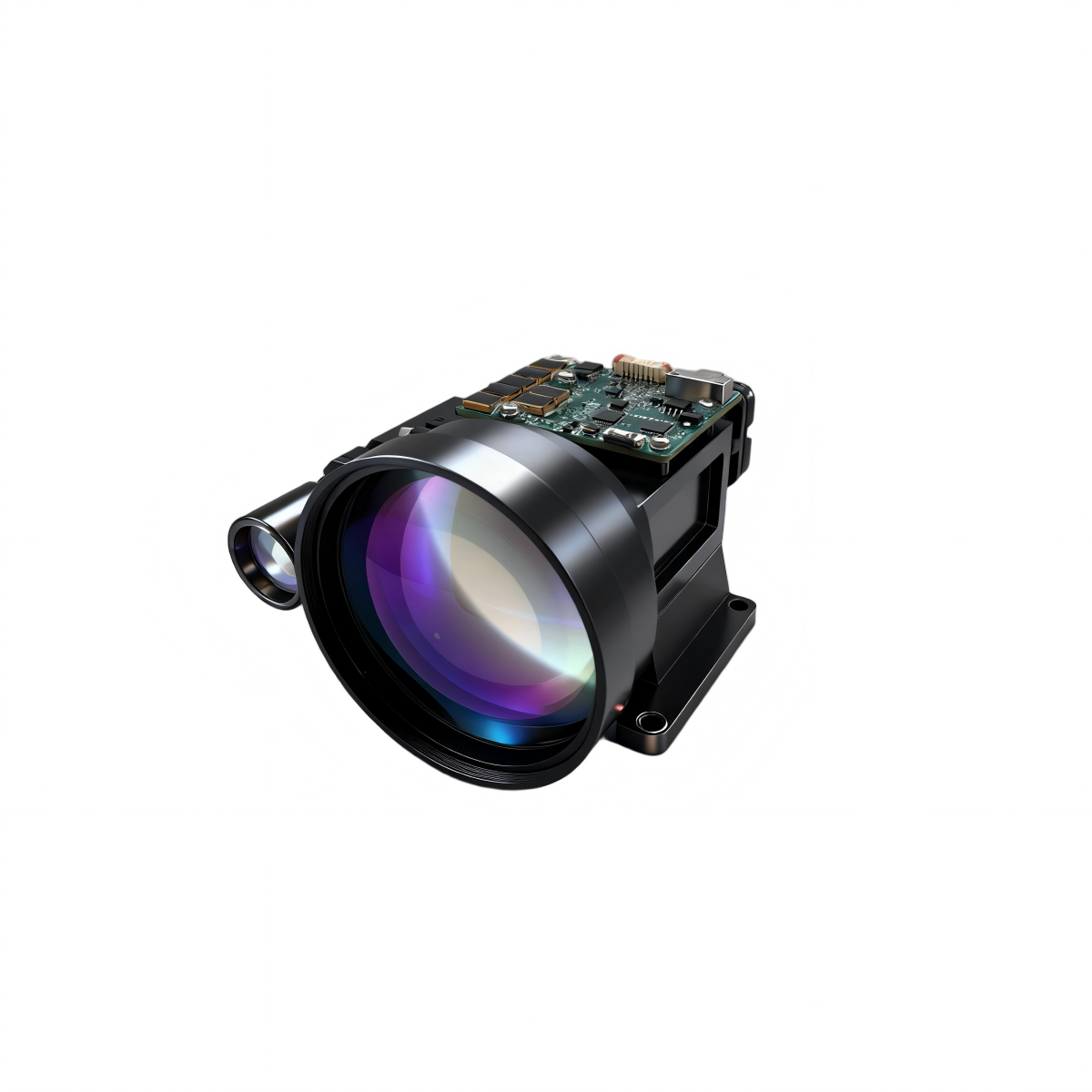
LRF1830C 18–23km 1535nm Eye-Safe TOF Laser Rangefinder Module for Coastal, Border and Long-Range EO/IR Integration

 Im Sale
LRF1830C 18–23km 1535nm Eye-Safe TOF Laser Rangefinder Module for Coastal, Border and Long-Range EO/IR Integration
$1,000.00 USD $1,200.00 USD -
LRF1831C 1535nm Eye-Safe UAV Laser Rangefinder Module for Aerial Mapping, Target Tracking and Terrain Measurement
Im Sale
LRF1831C 1535nm Eye-Safe UAV Laser Rangefinder Module for Aerial Mapping, Target Tracking and Terrain Measurement
$1,000.00 USD $1,200.00 USD
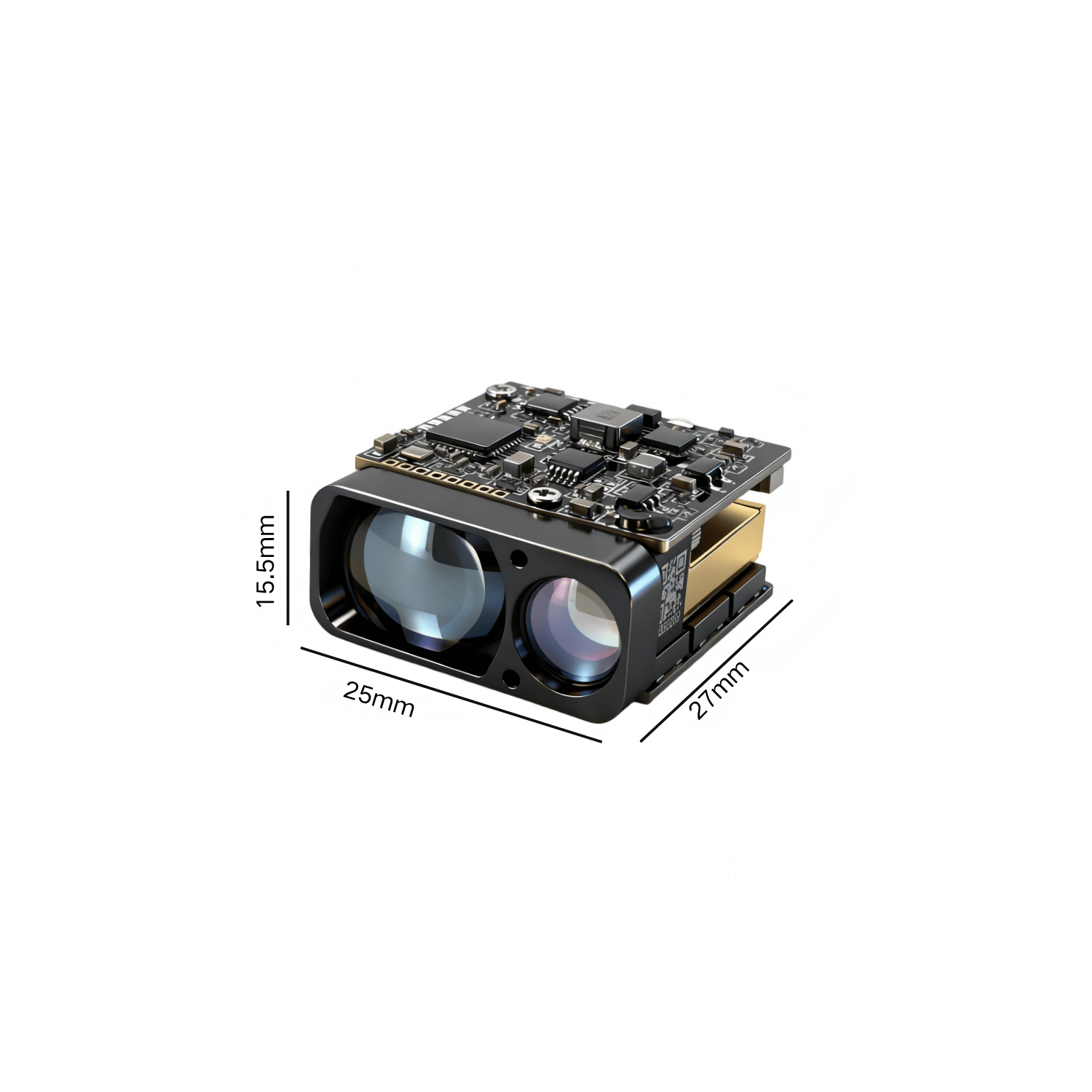
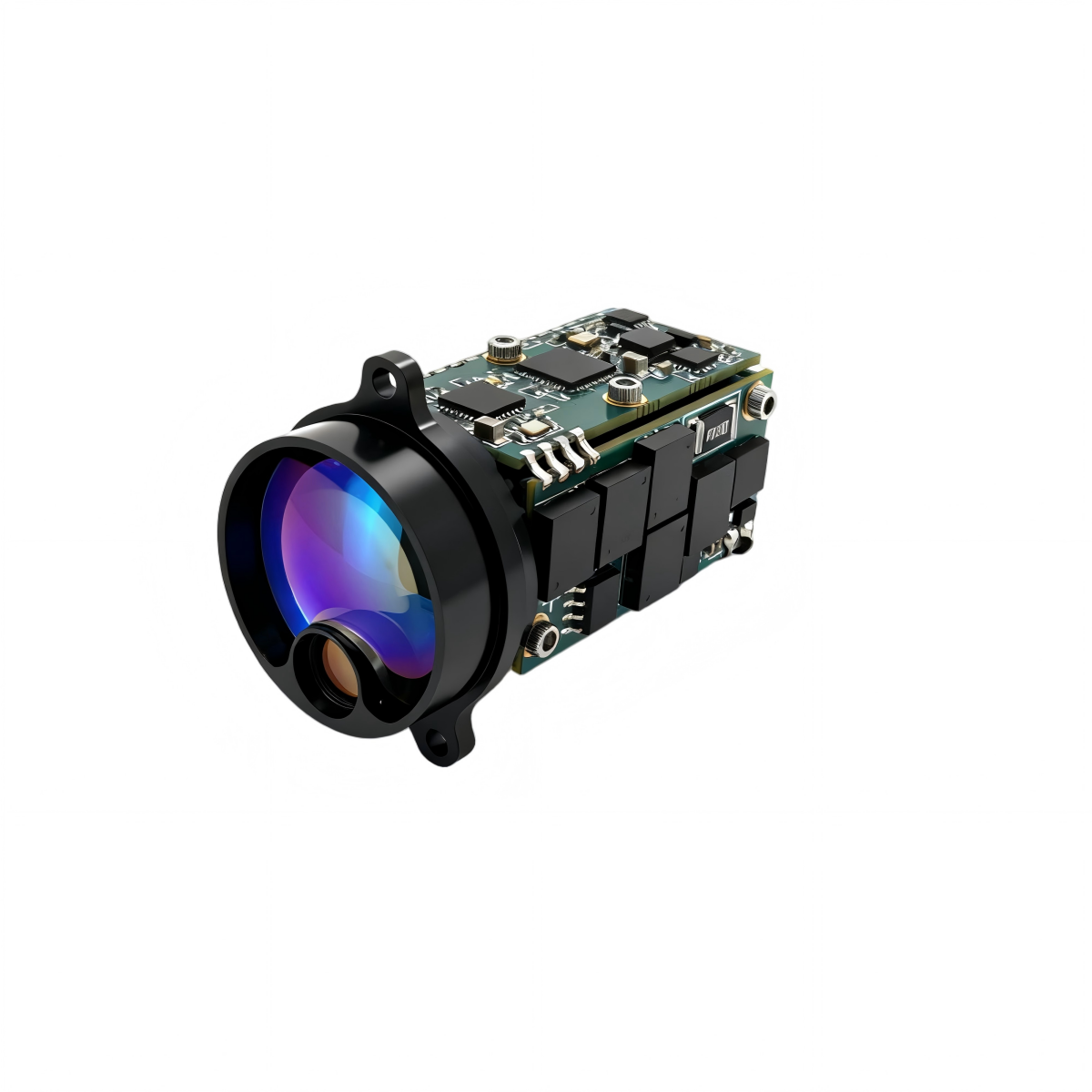
ERDI 1535 nm Laser Rangefinder Module Solution
Eye-Safe, High-Precision, Long-Range Laser Ranging for Multi-Platform Integration
 |
 |
|
|
|
 |
1. Overview
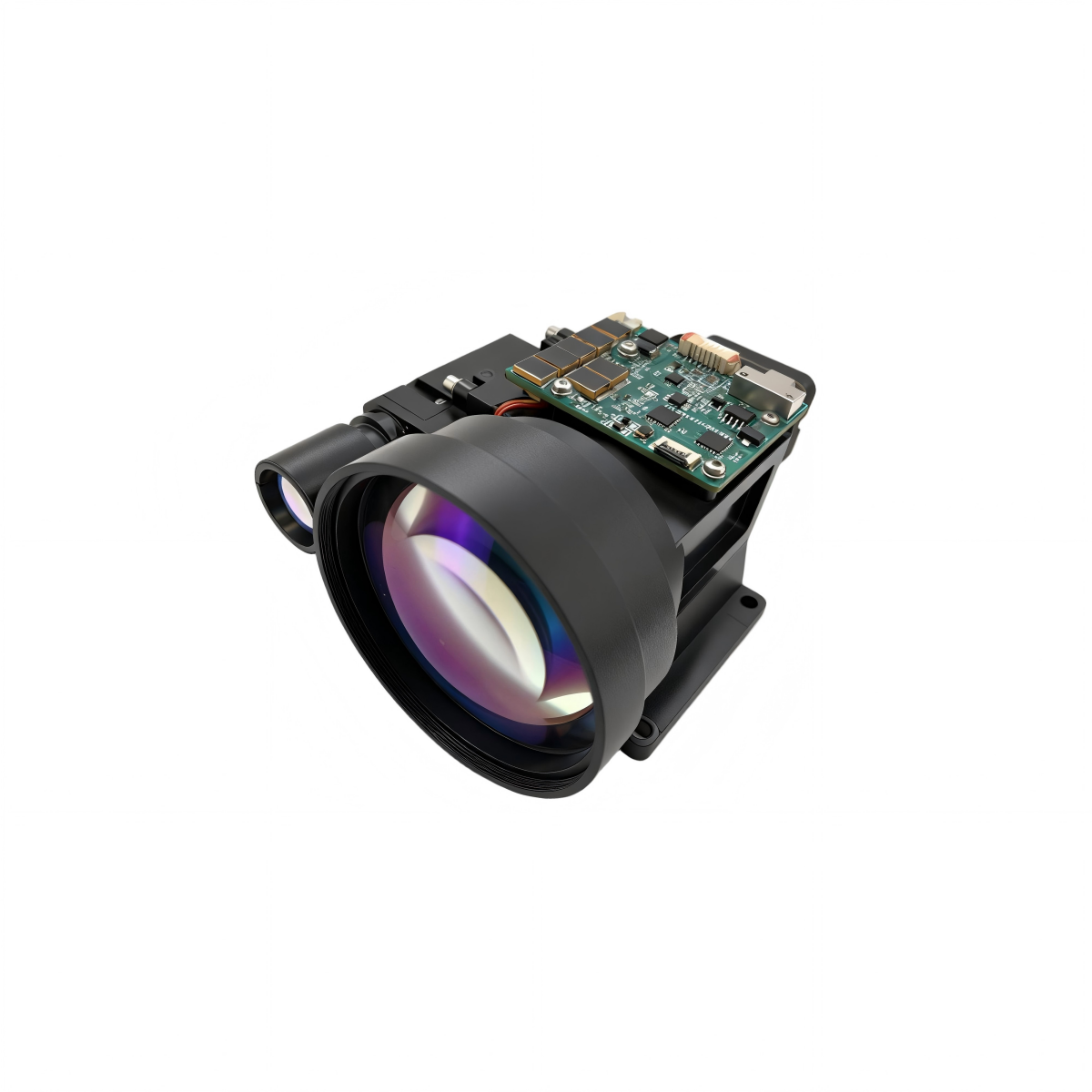
ERDI’s 1535 nm Laser Rangefinder Module is a state-of-the-art, eye-safe, solid-state distance measuring sensor engineered for high-precision, long-range applications across UAVs, vehicle turrets, EO/IR pods, LiDAR platforms and industrial inspection systems. With a wavelength in the 1.535 µm band, the system meets Class I (or equivalent) eye-safe operating status, while delivering time-of-flight (TOF) ranging up to several kilometres even on low-reflectivity targets. The module is designed for OEM integration, providing compact size, rugged environmental tolerance, high measurement accuracy and flexible communication interfaces. (As noted on ERDI’s official product listing: “The 1535nm laser rangefinder uses the laser assembly and adjustment of the erbium glass bonded crystal independently developed by ERDI.”)
2. Research & Development – Core Technology
2.1 Gain Medium & Laser Architecture
At the heart of this module is an Er³⁺-doped glass (or Er:Yb co-doped phosphate glass) gain medium, which when pumped by a semiconductor diode at ~940 nm, produces laser emission at ~1.535 µm via the ⁴I₁₃/₂ → ⁴I₁₅/₂ transition. This wavelength is advantageous because human eye tissues (cornea and lens) absorb strongly at this band, thus reducing retinal hazard and enabling an “eye-safe” classification.
ERDI’s R&D emphasises:
-
Full in-house fabrication of the gain medium, bonded crystal assembly, laser cavity and optical sub-systems.
-
Passive Q-switching or micro-chip DPSS architectures to generate short, high-energy pulses suitable for long-range TOF measurement.
-
High beam quality (TEM₀₀) and low divergence optics (≤ few mrad) for optimal range and accuracy.
-
Thermal management via TEC (thermo-electric cooler) or athermal optical design to maintain performance across wide temperature ranges.
-
Compact packaging for integration into constrained platforms.
2.2 Manufacturing & Production Workflow
ERDI’s production line covers the entire chain:
-
Semiconductor diode pump module procurement and testing
-
Gain-medium fabrication (glass melting, doping, polishing)
-
Mirror coating (HR/PR) and cavity assembly
-
Optical alignment, beam testing (M², divergence, pointing)
-
Environmental qualification (shock, vibration, temperature cycling)
-
Final module integration including drive electronics, TOF board, communication interface
-
Calibration: energy stability, beam profile, pulse width, ranging accuracy.
By retaining full vertical integration, ERDI ensures cost control, traceability, rapid iteration and high yield. The result is a module with stable performance and reliable lifetime suited for industrial and defense environments.
2.3 Customisation & OEM Integration
ERDI offers a broad product lineup, with variants from compact micro-modules (range ~3 km) up to long-range versions (~8-12+ km) depending on target reflectivity and optics. Examples include the LRF0310C (≥ 3.2 km NATO target) and LRF0610C (≥ 6 km) modules. Communication interfaces support UART (TTL-level) and RS-422 serial, and ERDI supplies host-software and protocol documentation to streamline integration. OEM customers can specify pulse repetition rate (1Hz to 20Hz+), interface type, mounting footprint and environmental specification.
3. Technical Specifications (Typical)
Below are representative specifications for the 1535 nm Laser Rangefinder Module series. Actual values vary by variant—refer to the datasheet for specific model numbers.
| Parameter | Typical Value | Notes |
|---|---|---|
| Wavelength | ~1535 nm (± 5 nm) | Eye-safe near-IR band |
| Ranging Accuracy | ± 1-2 m (1σ) | On standard targets (≈2.3 m×2.3 m) |
| Maximum Range | ≥ 3 km to ≥ 12 km (depending on model & target) | Example: ≥ 6 km for NATO target 2.3m×2.3m |
| Pulse Width | ~6-15 ns typical | Short pulse width supports accurate TOF |
| Repetition Rate | 1Hz, 3Hz, 10Hz, (up to 20Hz) | OEM selectable |
| Beam Divergence | ≤ 0.6 mrad (example) | Narrow divergence lets beam maintain energy |
| Interface | UART (TTL) / RS-422 | Flexible integration |
| Operating Temperature | –40 °C to +70 °C (varies) | Ruggedised |
| Protection & Eye safety | Class 1 / Class 1M | Enables safer deployment |
| Module Weight/Size | Compact micro-module (example < 300 g) | Platform adaptability |
4. Core Technical Advantages
-
Eye-safe 1.535 µm Wavelength: Enables safe operation around humans, simplifies regulatory compliance in open areas and reduces risk during training and urban deployment.
-
Long-Range Capability with Compact Size: The high-energy, low-divergence architecture delivers significant range from a small form-factor module suitable for drones, pods and vehicles.
-
High Stability & Reliability: Full in-house fabrication ensures consistent performance, tight tolerances, and reduced variation across shipments.
-
Platform-Ready Interfaces & Integration: With UART/RS-422 communication, host software, and modular design, the product is ready for OEM integration.
-
Wide Environmental Envelope: Designed for industrial and military environments, with vibration/shock qualification, temperature extremes and robust optical alignment.
-
Flexible Customisation: Range, form-factor, interface and performance can be tailored to customer needs—ideal for system integrators.
5. System Integration & Architecture
Integration of the 1535 nm laser rangefinder module into a system generally follows these steps:
-
Select Module Variant – Based on required range, size, weight, target type and environment (e.g., 3-km mini module, 8-km tactical module).
-
Mechanical & Thermal Integration – Mount module into UAV pod, vehicle turret, or handheld housing. Provide thermal management and optical alignment.
-
Optical Collimation & Alignment – Ensure the transmitter and receiver optics are aligned and divergence meets system specs. Calibration of beam pointing is required.
-
Electrical & Control Interface – Integrate UART/RS-422 with host control computer; implement driver interface, trigger logic, shot count, self-test.
-
Software & Communication – Use provided protocol and test software; integrate TOF distance data into host system (fire-control, navigation, LiDAR scanner).
-
Calibration & Verification – Validate ranging accuracy, maximum range, multi-target detection (up to 3 targets), and environmental performance (temp, vibration).
-
Operational Deployment – Use module in mission operations: ranging, target hand-off, situational awareness, mapping or industrial inspection.
6. Application Use-Cases
6.1 UAV & Drone Payloads
When mounted on an unmanned aerial vehicle or gimbal pod, the 1535 nm module supports standoff distance measurement, target acquisition and coordinate hand-over. The eye-safe wavelength allows operations near populated areas or manned platforms.
6.2 Vehicle & Turret Fire-Control
In ground vehicles or turret systems, the module provides accurate target ranging for ballistic correction, missile cueing or reconnaissance. Compact size and rugged design ensure adaptation to constrained spaces and harsh conditions.
6.3 Maritime & Coastal Surveillance
For shipborne or shore-based surveillance platforms, the module’s wavelength offers improved atmospheric penetration (fog, haze) and safe operation in maritime zones. Ranging of fast-moving vessels, drifting objects or small craft becomes feasible at extended distances.
6.4 Industrial, LiDAR, Surveying & Mapping
Beyond defense, the module is valuable in LiDAR scanners, industrial inspection systems, mobile mapping vans or robotics. The combination of precision, compactness and eye safety makes it suitable for complex civilian environments.
7. Why Choose ERDI’s 1535 nm Module?
-
End-to-End In-House Development – ERDI handles glass fabrication, cavity design, module assembly and testing, ensuring performance and cost management.
-
Proven Performance – Modules deployed for tactical, industrial and mapping systems globally.
-
OEM-Friendly Integration – Variety of form-factors and interface options for seamless system engineering.
-
Export & Commercial Readiness – Designed with international standard interfaces and packaging suitable for global markets.
-
Scalable Performance – From compact micro-modules for UAVs to high-range variants for long-distance measurement systems.