

1.54 μm / 1535nm Eye-safe Laser Light Source
-
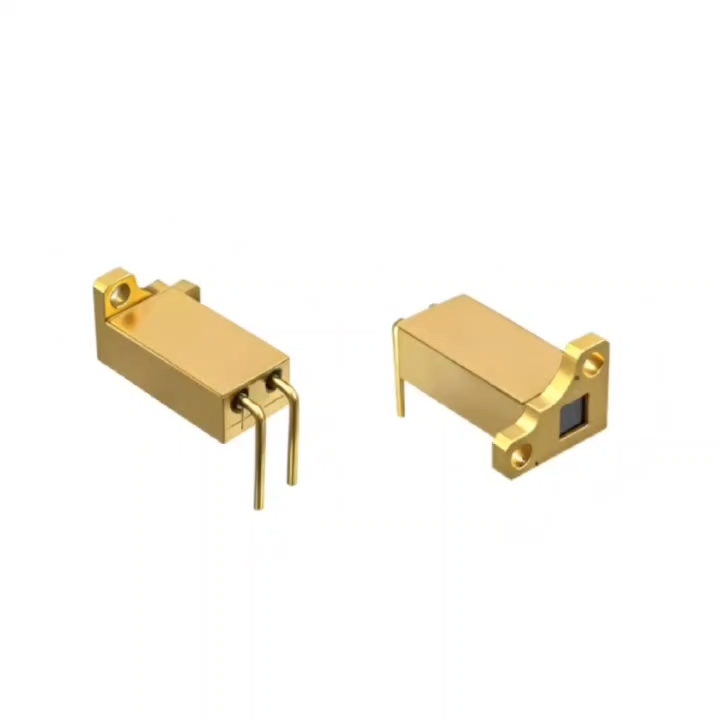
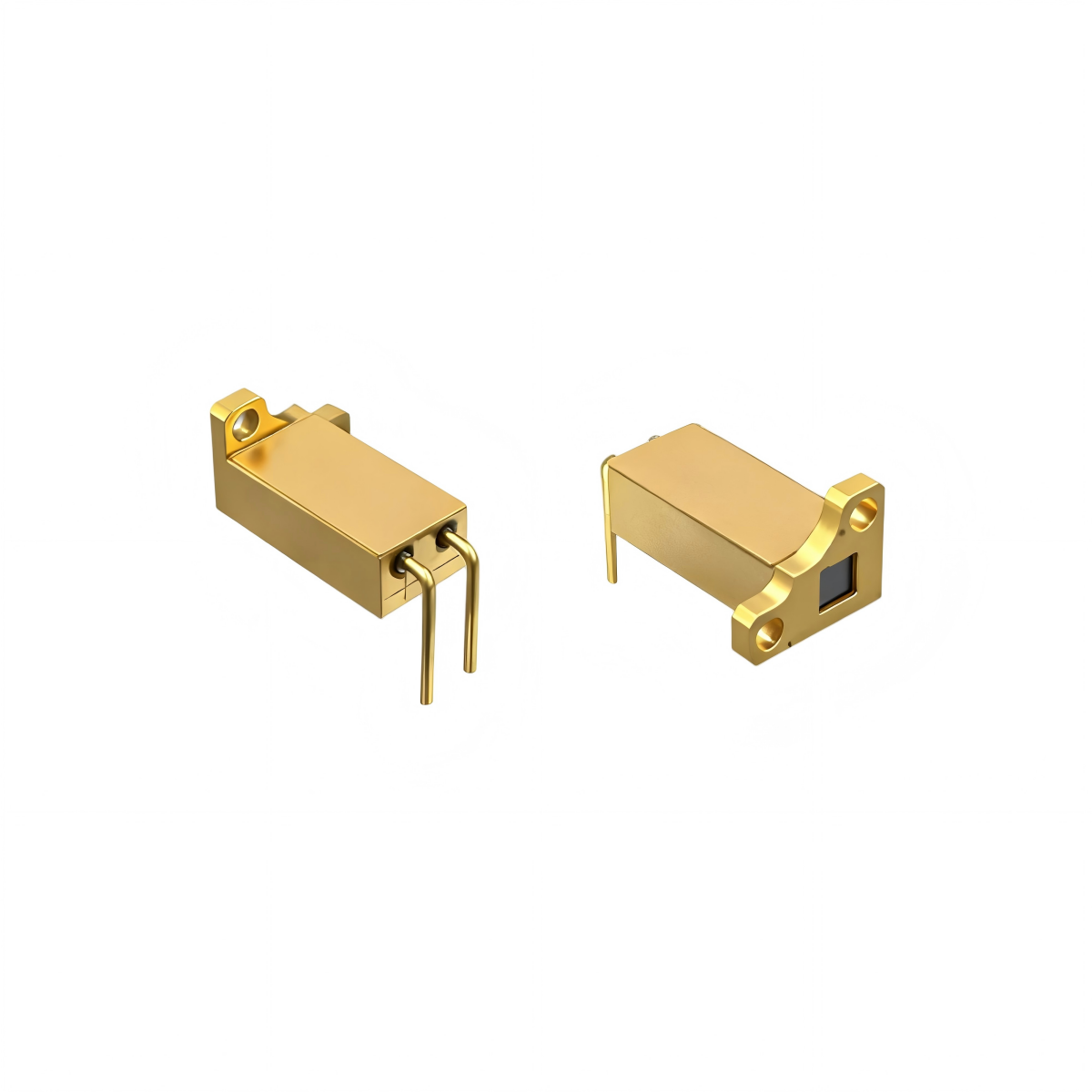
MINI-100 1535 nm Eye-Safe Microchip Erbium Glass Laser for Mini Rangefinders and LiDAR
 अच्छी संख्या में बेचें
MINI-100 1535 nm Eye-Safe Microchip Erbium Glass Laser for Mini Rangefinders and LiDAR
$1,000.00 USD $1,200.00 USD -
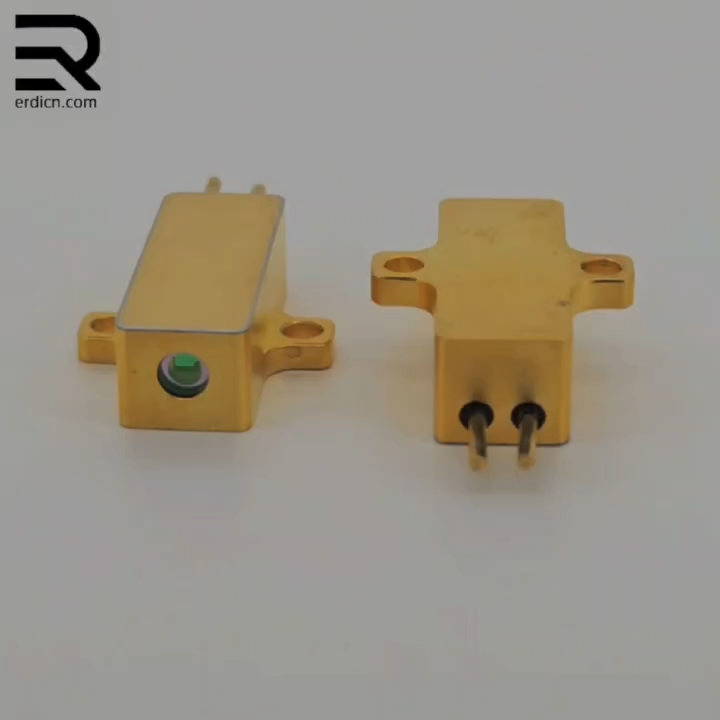
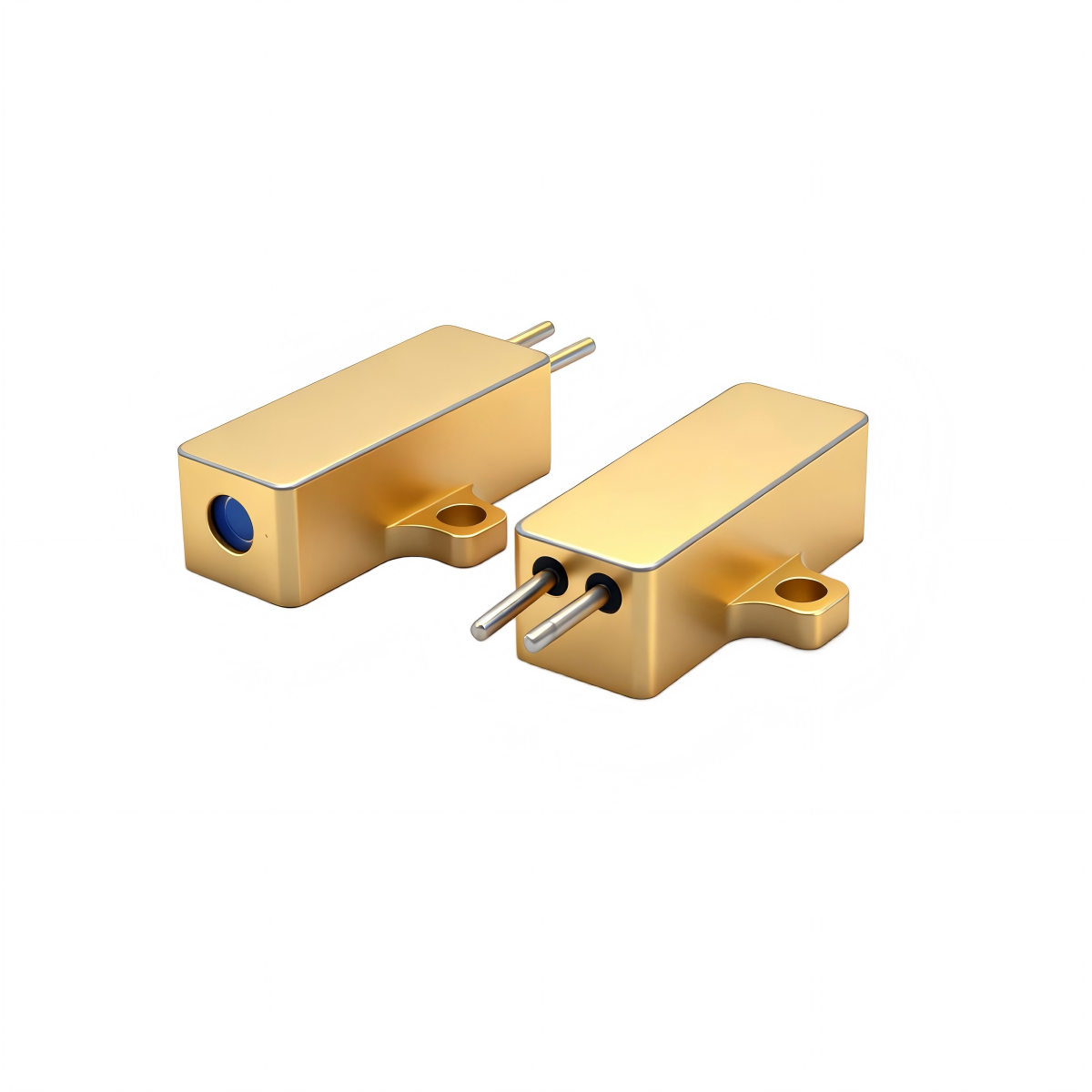
1535nm 100uJ Erbium Glass Pulsed Solid-State Laser
 अच्छी संख्या में बेचें
1535nm 100uJ Erbium Glass Pulsed Solid-State Laser
$1,000.00 USD $1,200.00 USD -
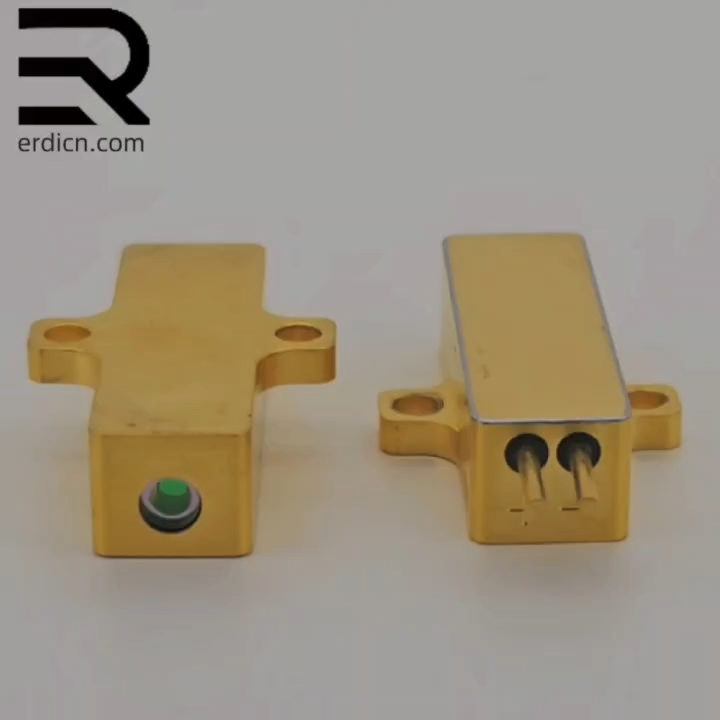
ER200 1.54μm 200µJ Eye-Safe Erbium Glass Microchip DPSS Laser
 अच्छी संख्या में बेचें
ER200 1.54μm 200µJ Eye-Safe Erbium Glass Microchip DPSS Laser
$1,000.00 USD $1,200.00 USD -
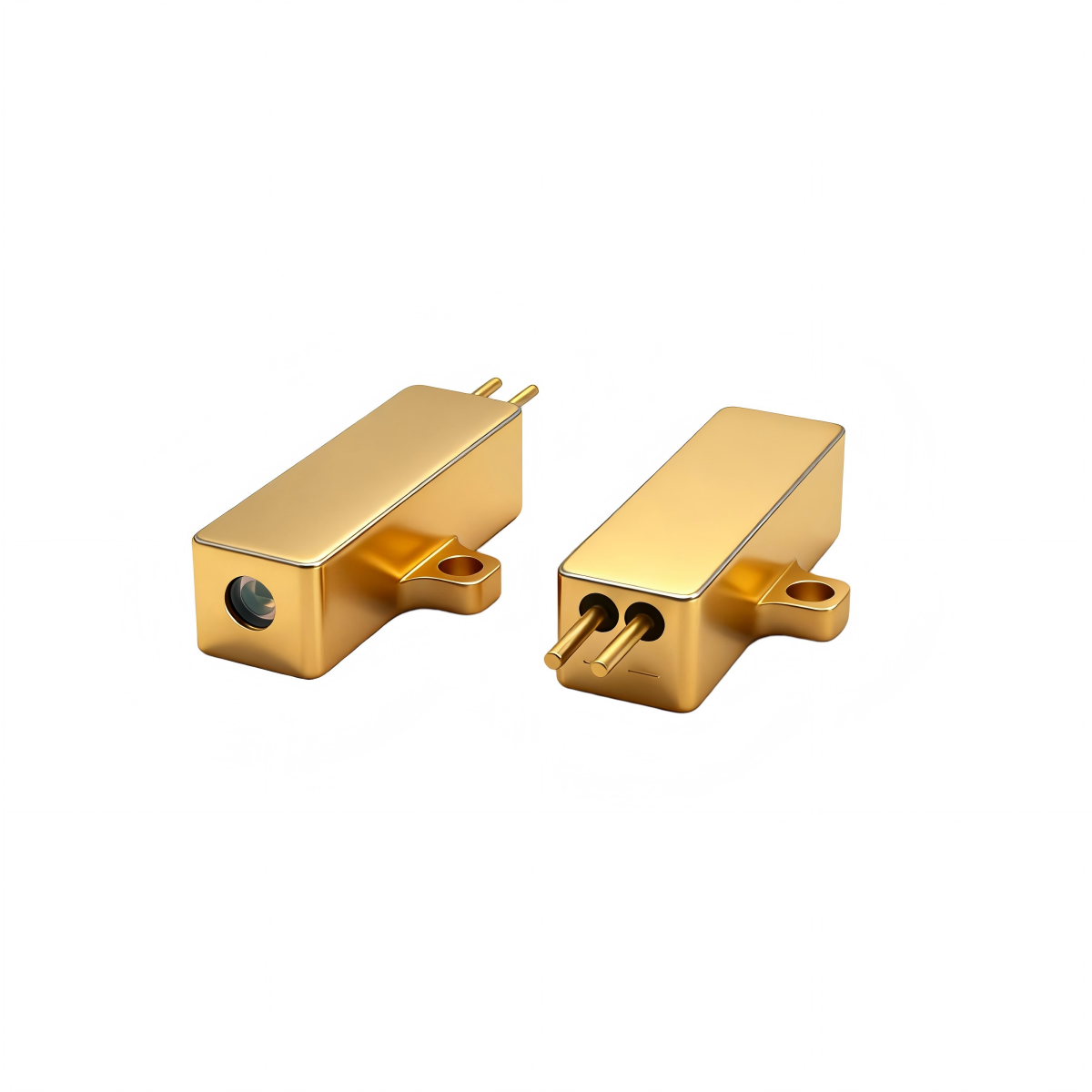
300µJ 1.54µm erbium glass microchip DPSS laser for multi-kilometer rangefinders
 अच्छी संख्या में बेचें
300µJ 1.54µm erbium glass microchip DPSS laser for multi-kilometer rangefinders
$1,000.00 USD $1,200.00 USD -
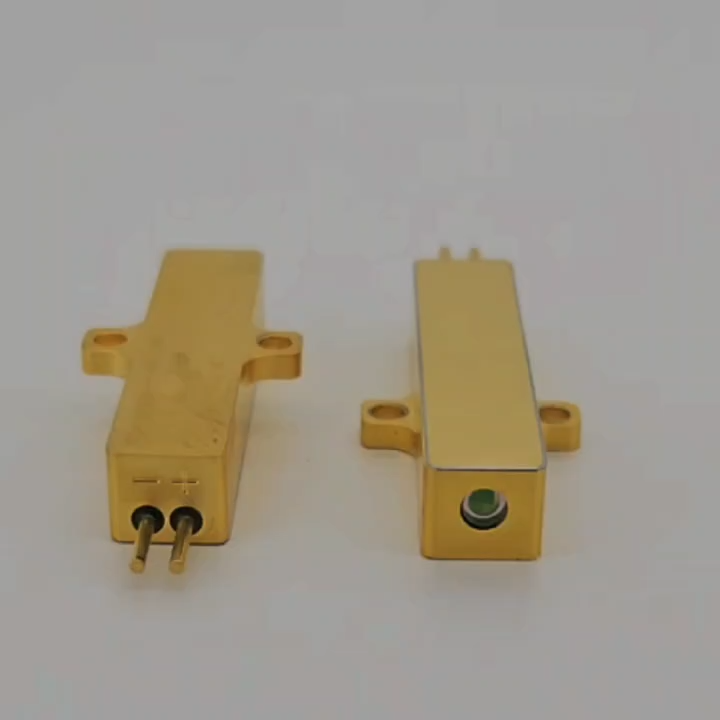
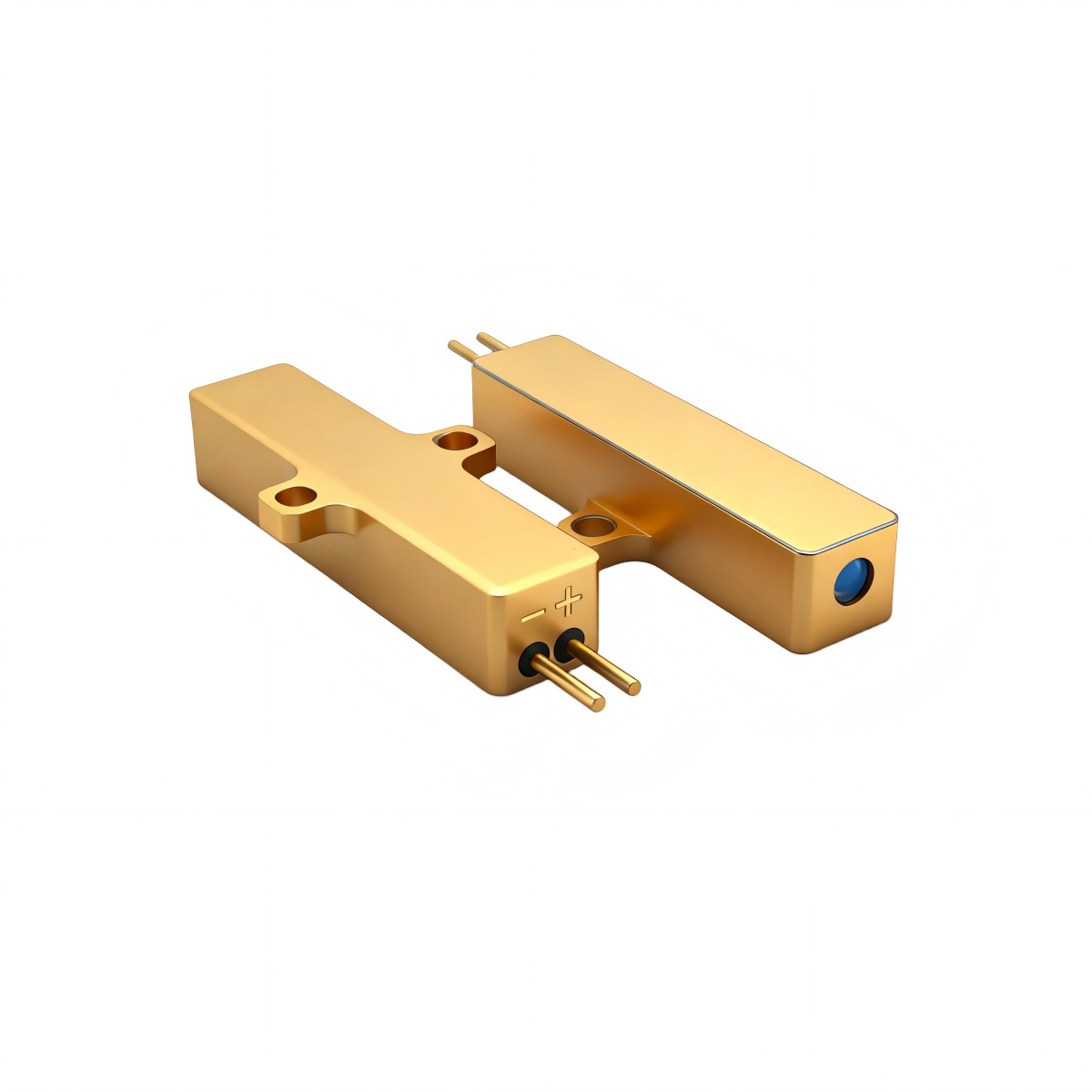
ER400 1535nm 400µJ Eye-Safe Laser for Long-Range LiDAR and Rangefinders
 अच्छी संख्या में बेचें
ER400 1535nm 400µJ Eye-Safe Laser for Long-Range LiDAR and Rangefinders
$1,000.00 USD $1,200.00 USD -
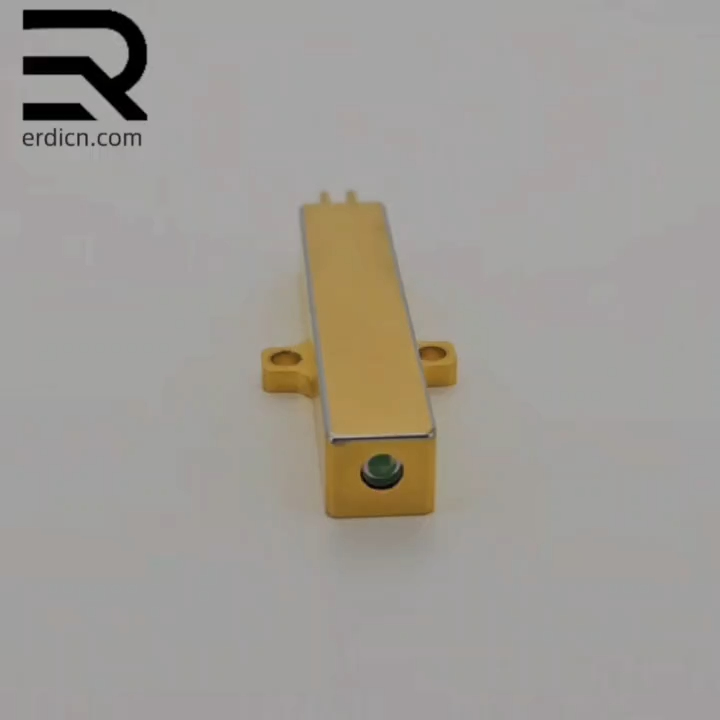
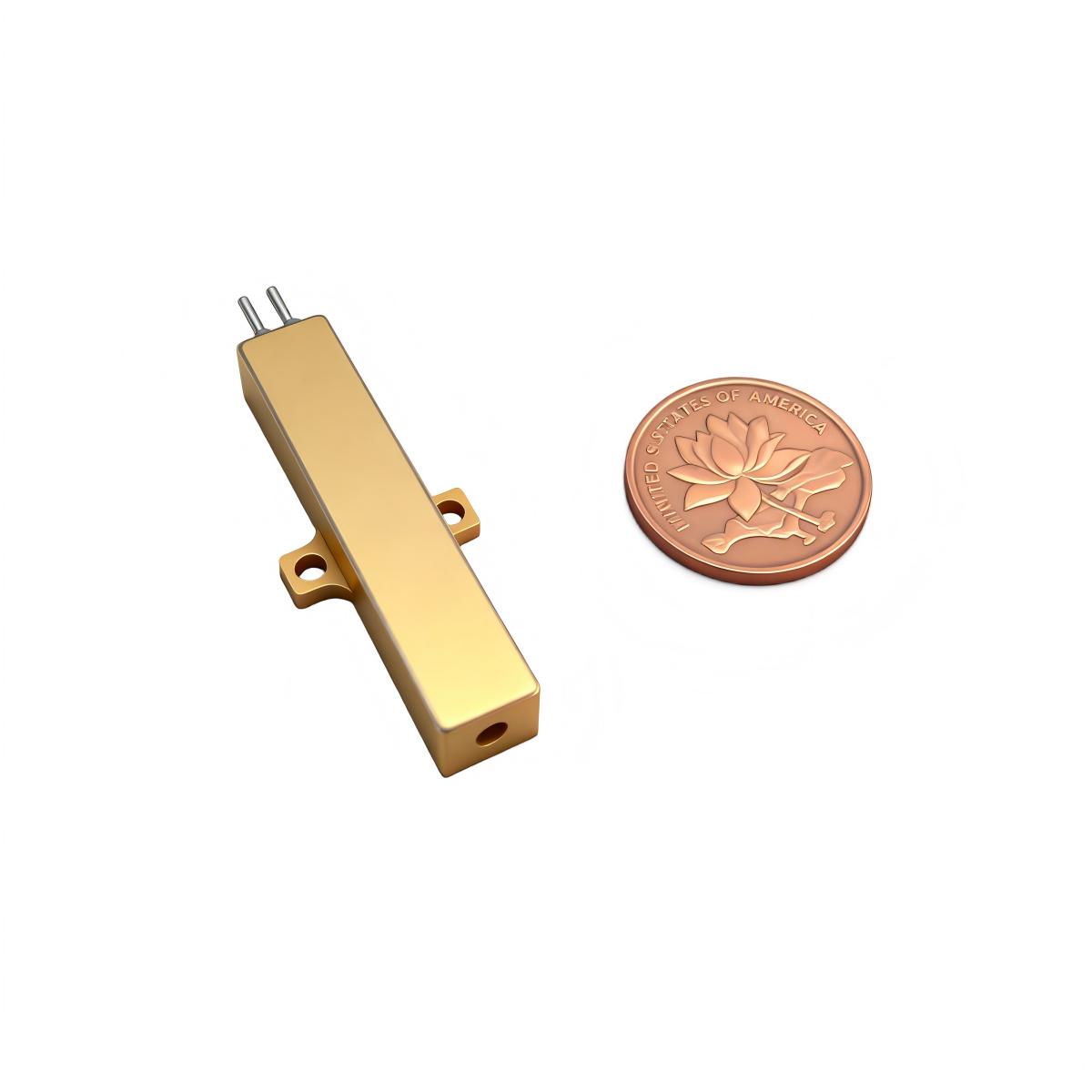
ER800 1535nm 800µJ Eye-Safe Laser for Multi-Kilometer LiDAR and Rangefinders
 अच्छी संख्या में बेचें
ER800 1535nm 800µJ Eye-Safe Laser for Multi-Kilometer LiDAR and Rangefinders
$1,000.00 USD $1,200.00 USD -
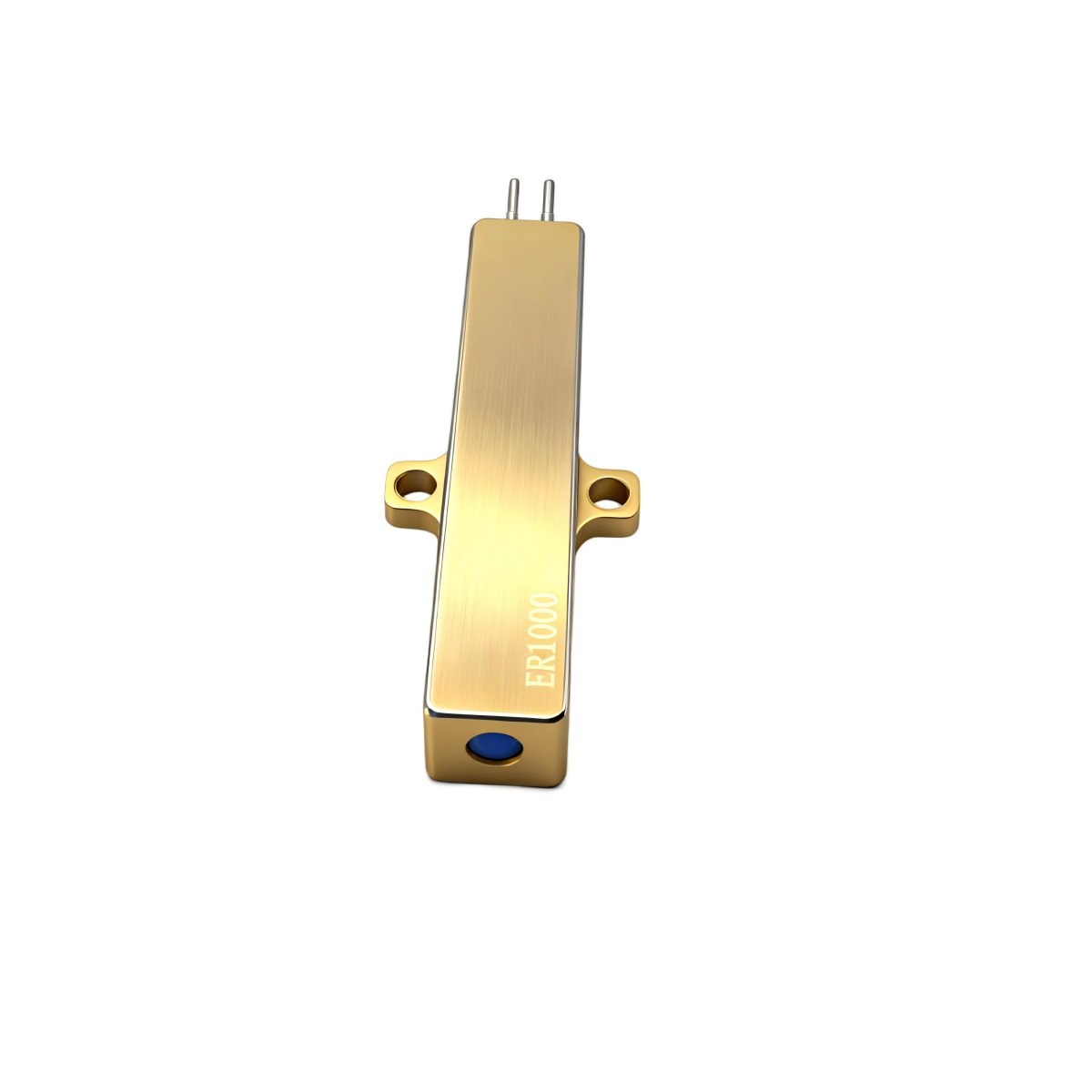
ER900 1535nm 900µJ Eye-Safe Laser for Ultra-Long-Range LiDAR and Rangefinders
 अच्छी संख्या में बेचें
ER900 1535nm 900µJ Eye-Safe Laser for Ultra-Long-Range LiDAR and Rangefinders
$1,000.00 USD $1,200.00 USD -
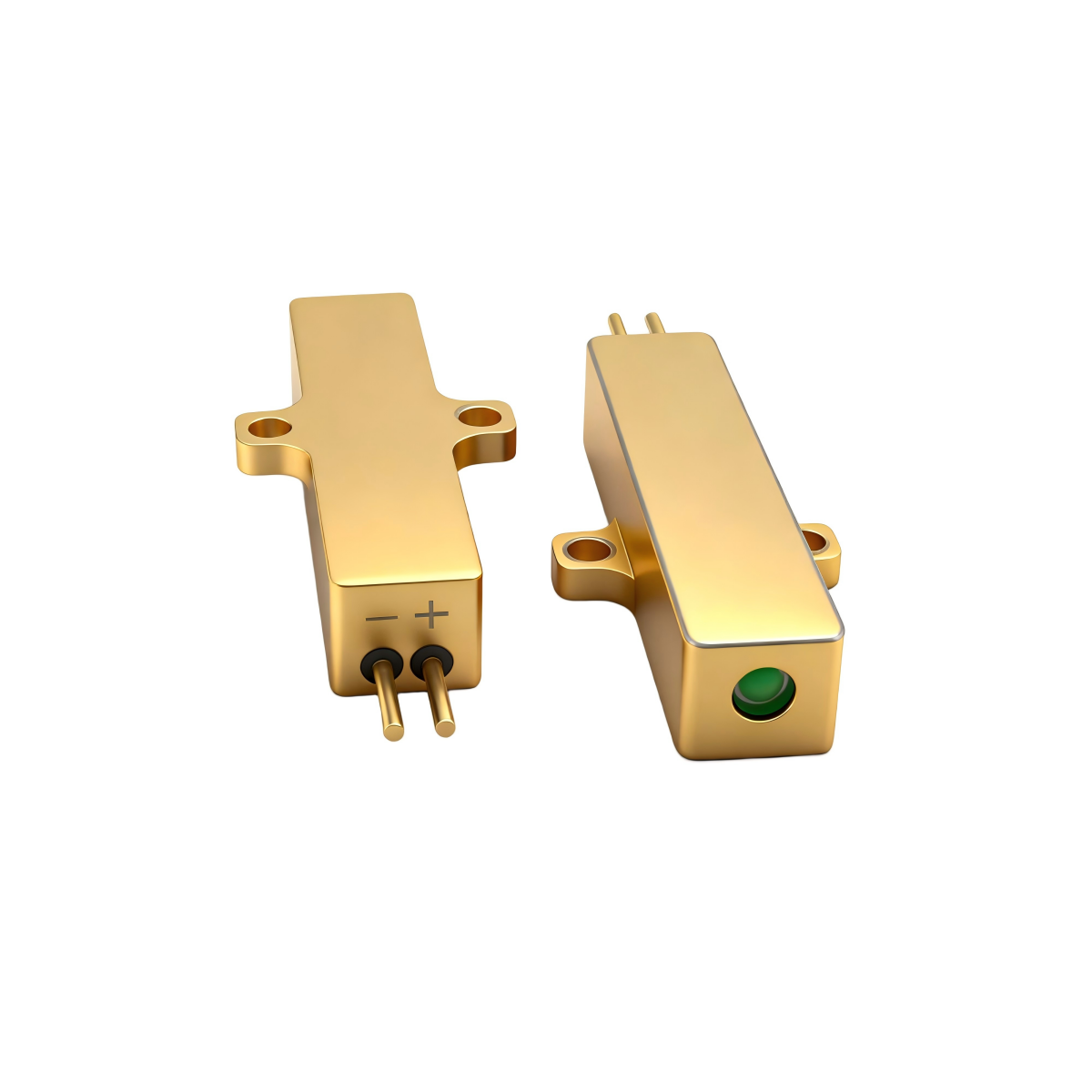
ER500 1535nm 500µJ Eye-Safe Laser for Long-Range LiDAR and Rangefinders
 अच्छी संख्या में बेचें
ER500 1535nm 500µJ Eye-Safe Laser for Long-Range LiDAR and Rangefinders
$1,000.00 USD $1,200.00 USD -
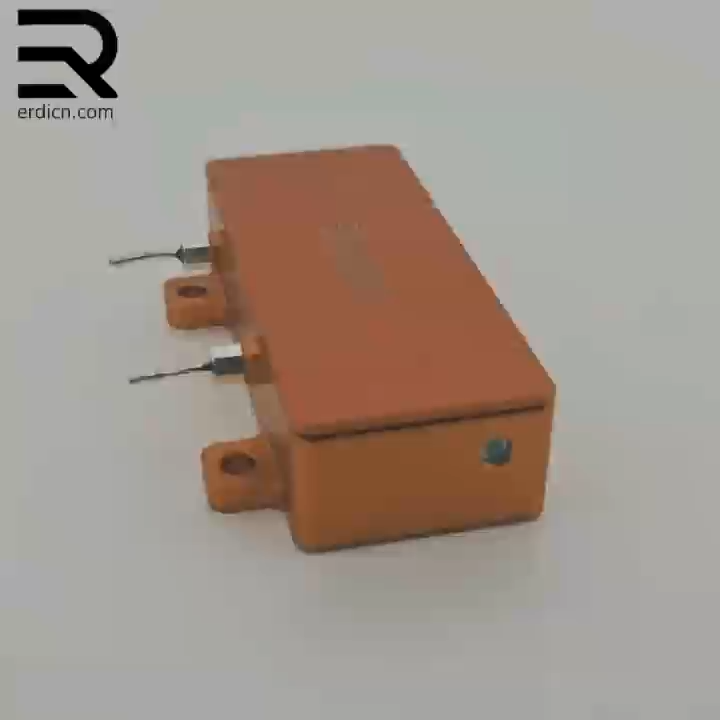
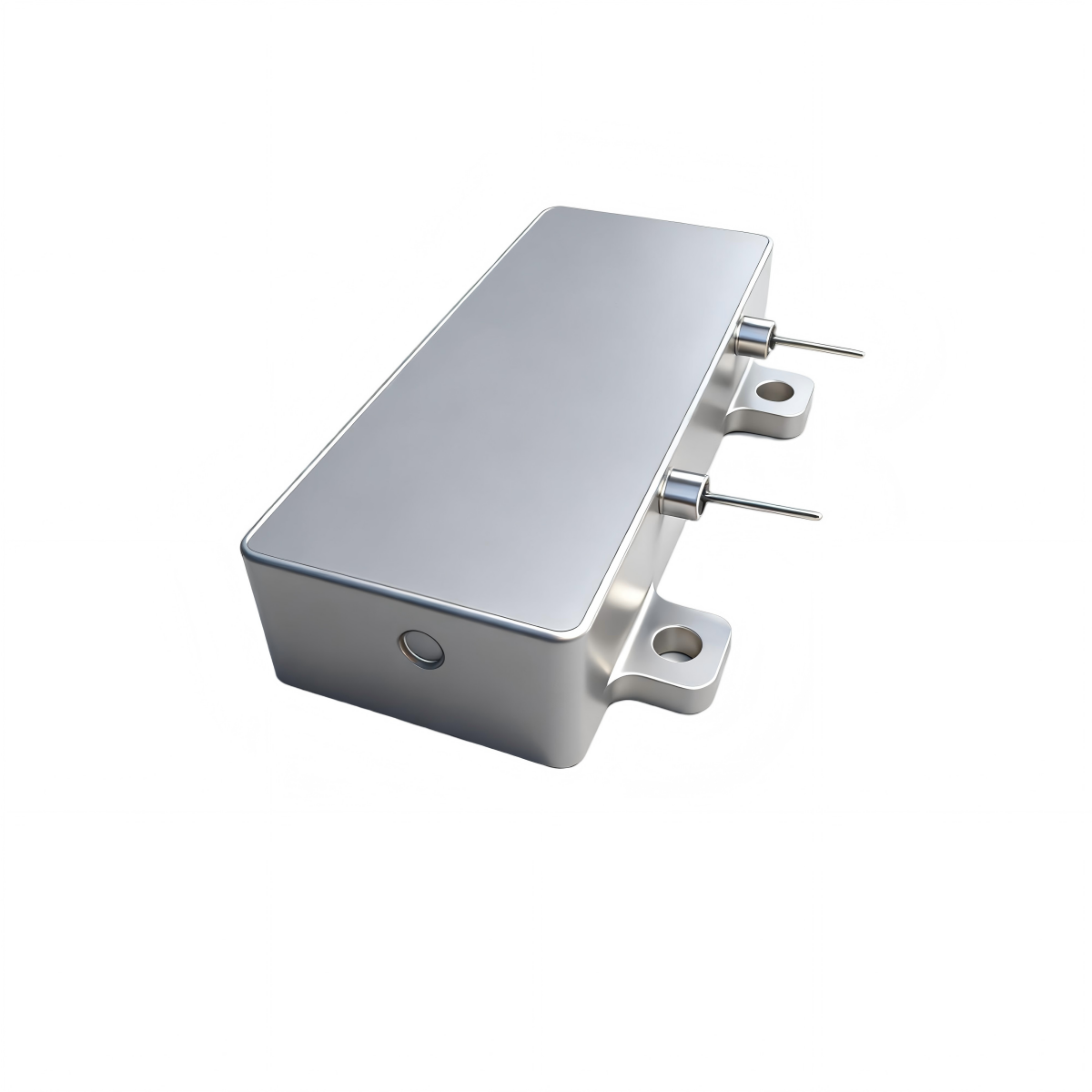
ER2000 2mJ 1535nm Eye-Safe Erbium Glass Laser for Sensing, Communication and Medical Systems
 अच्छी संख्या में बेचें
ER2000 2mJ 1535nm Eye-Safe Erbium Glass Laser for Sensing, Communication and Medical Systems
$1,000.00 USD $1,200.00 USD -
ER4000 4mJ 1535nm Eye-Safe Erbium Glass Laser for LiDAR, Sensing and Medical Systems
अच्छी संख्या में बेचें
ER4000 4mJ 1535nm Eye-Safe Erbium Glass Laser for LiDAR, Sensing and Medical Systems
$1,000.00 USD $1,200.00 USD -
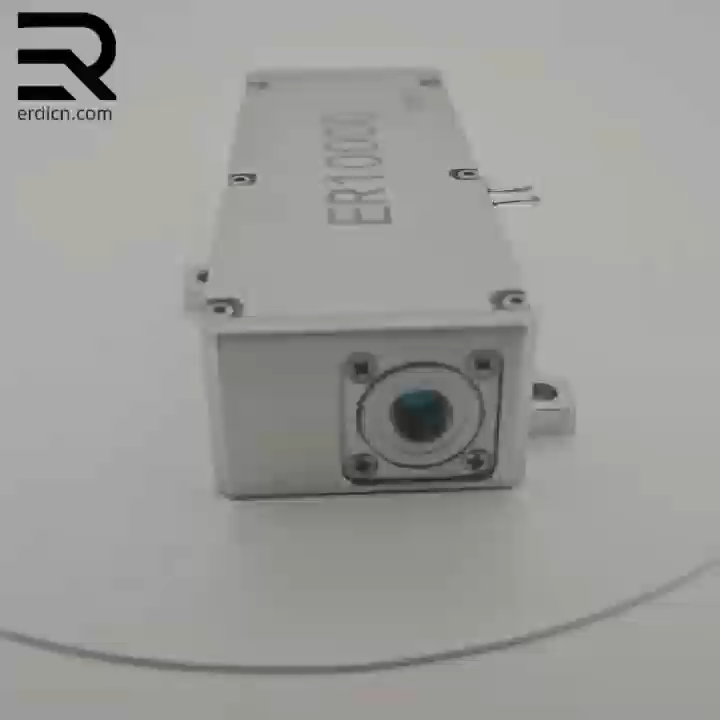
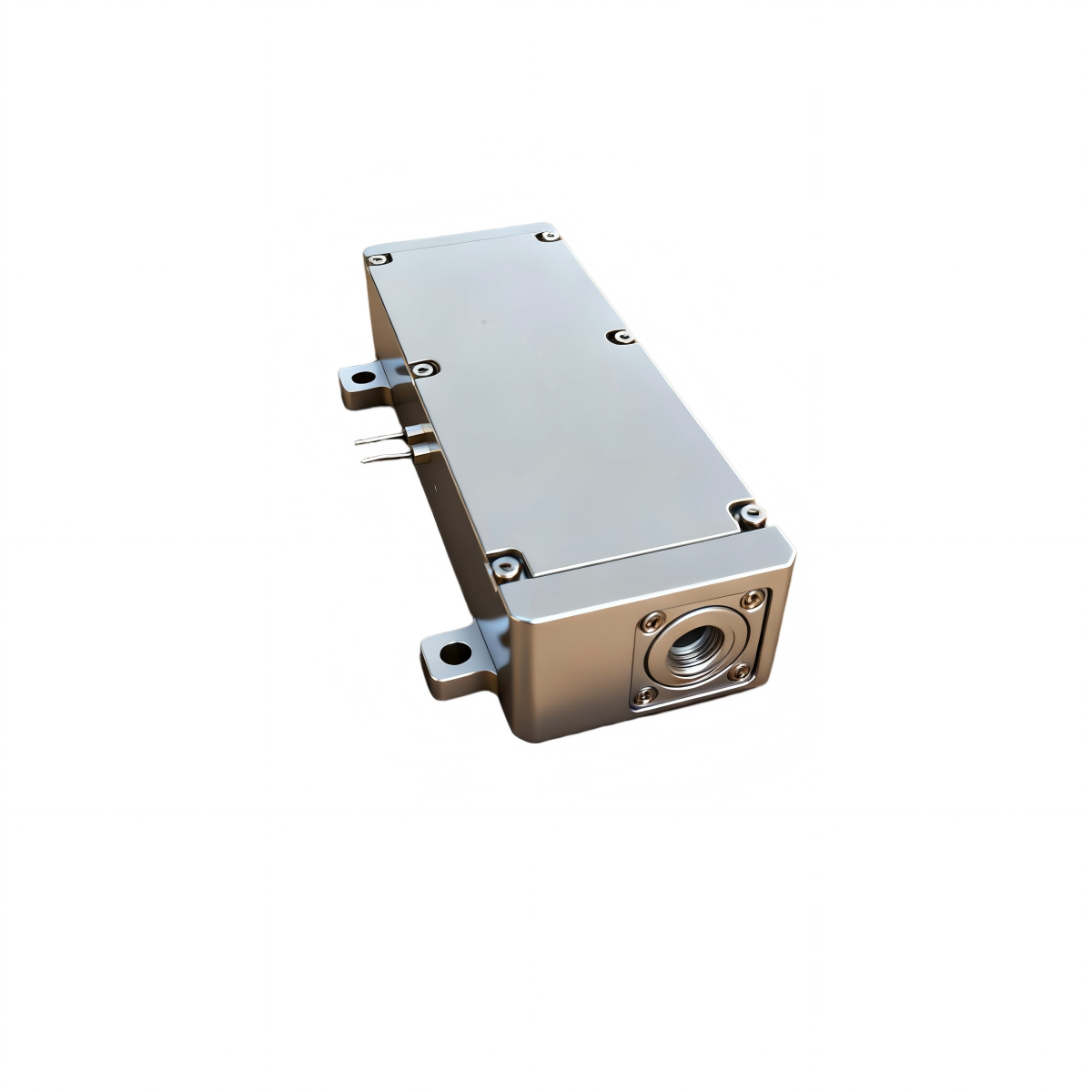
ER8000 8mJ 1535nm Eye-Safe Erbium Glass Laser for Long-Range LiDAR, Sensing and Medical Systems
 अच्छी संख्या में बेचें
ER8000 8mJ 1535nm Eye-Safe Erbium Glass Laser for Long-Range LiDAR, Sensing and Medical Systems
$1,000.00 USD $1,200.00 USD -
ER10000 10mJ 1535nm Eye-Safe Erbium Glass Laser for Long-Range LiDAR, Remote Sensing and Rangefinding
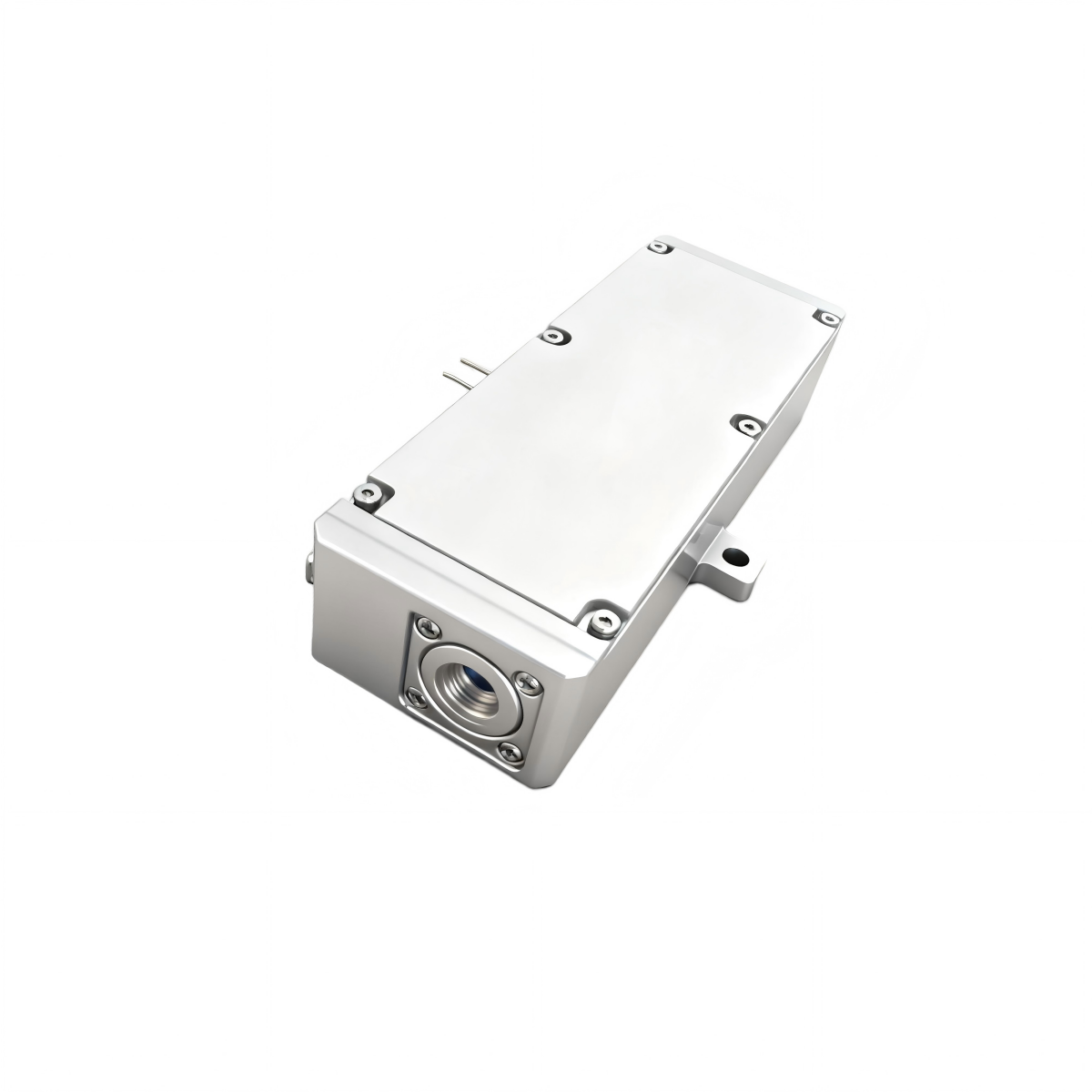
ER10000 10mJ 1535nm Eye-Safe Erbium Glass Laser for Long-Range LiDAR, Remote Sensing and Rangefinding
$2,000.00 USD
1535 nm Laser Solution by ERDI
Eye-Safe, High-Precision, Multi-Platform Laser Source for LiDAR, Rangefinding & Targeting
 |
 |
|
1.Solution Overview
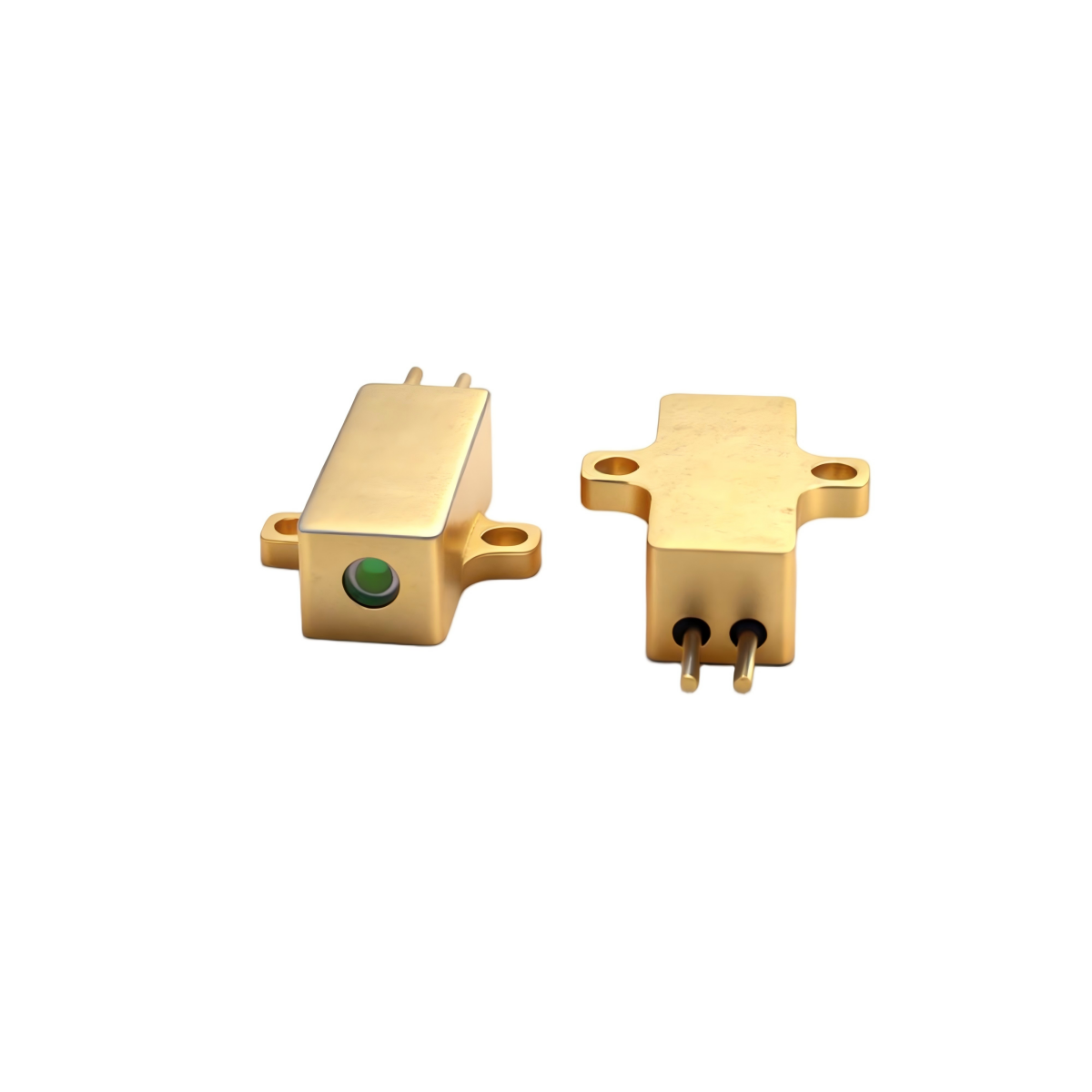
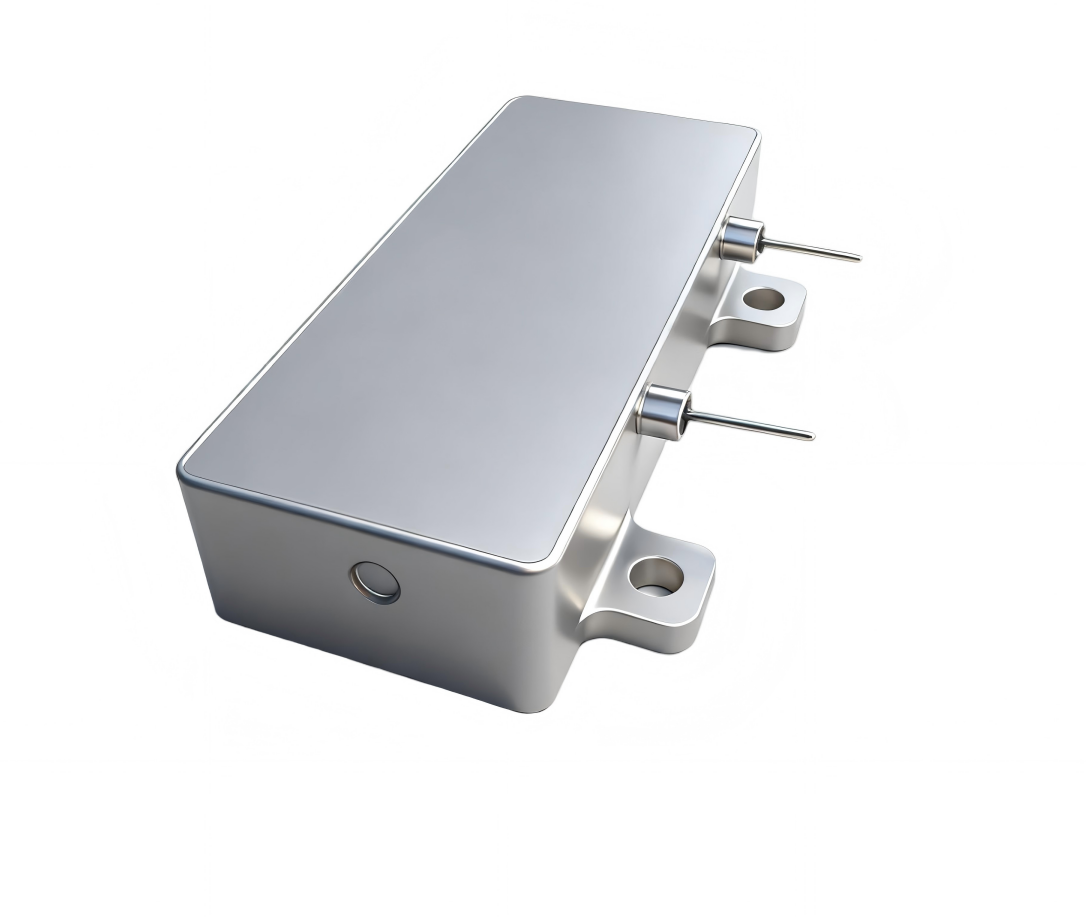
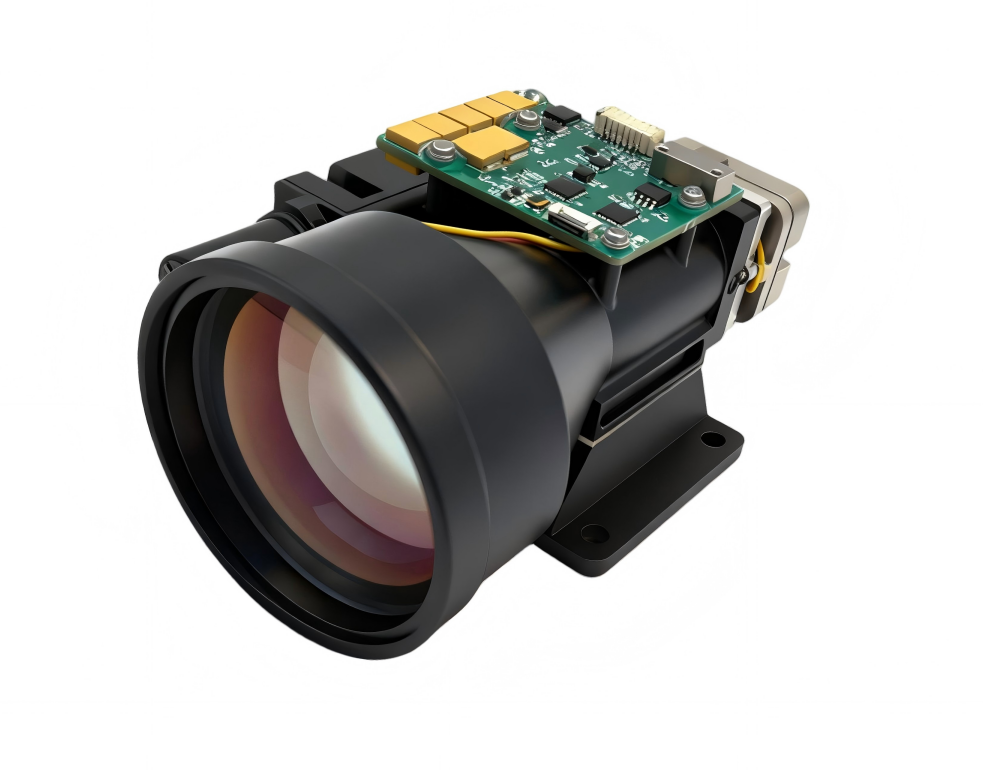
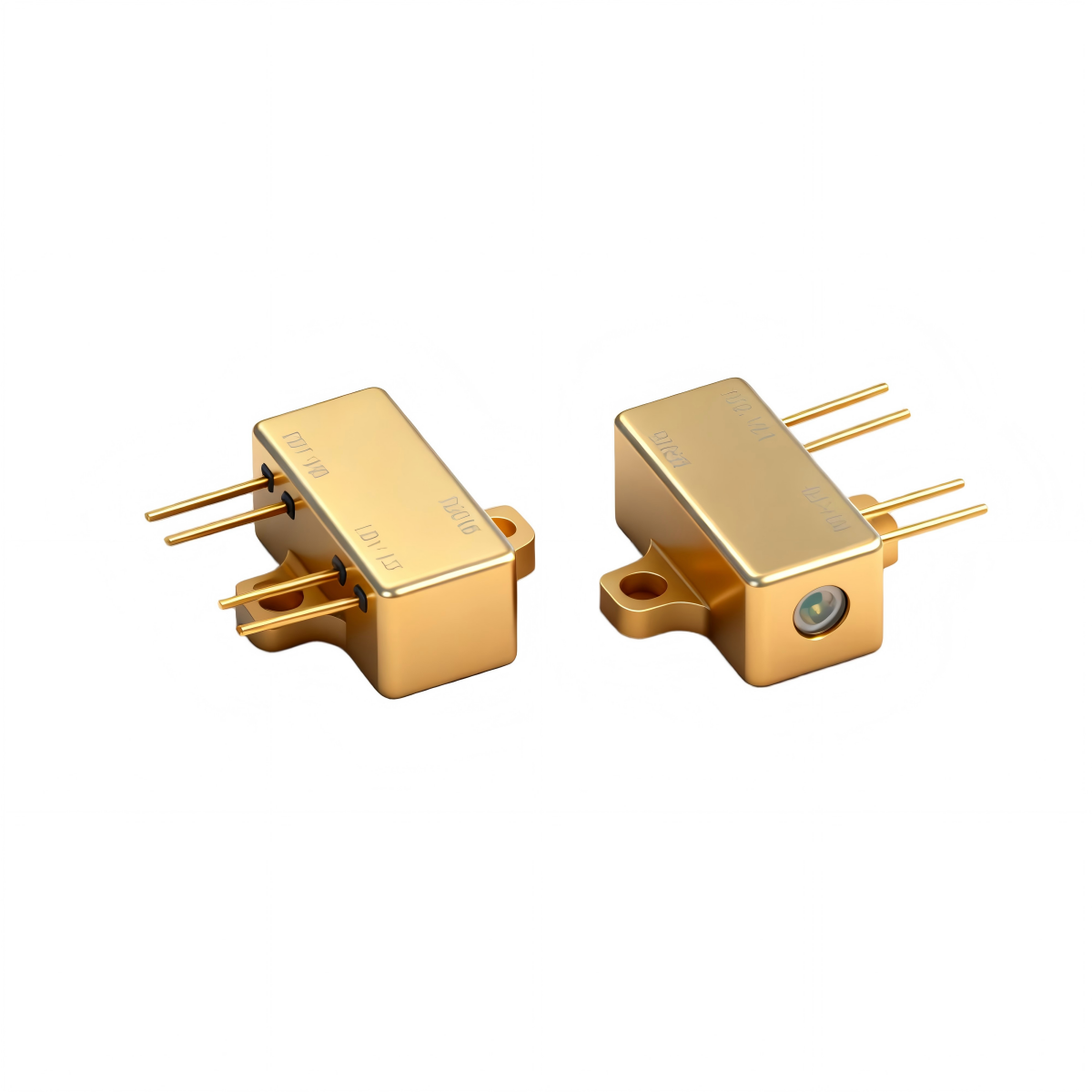
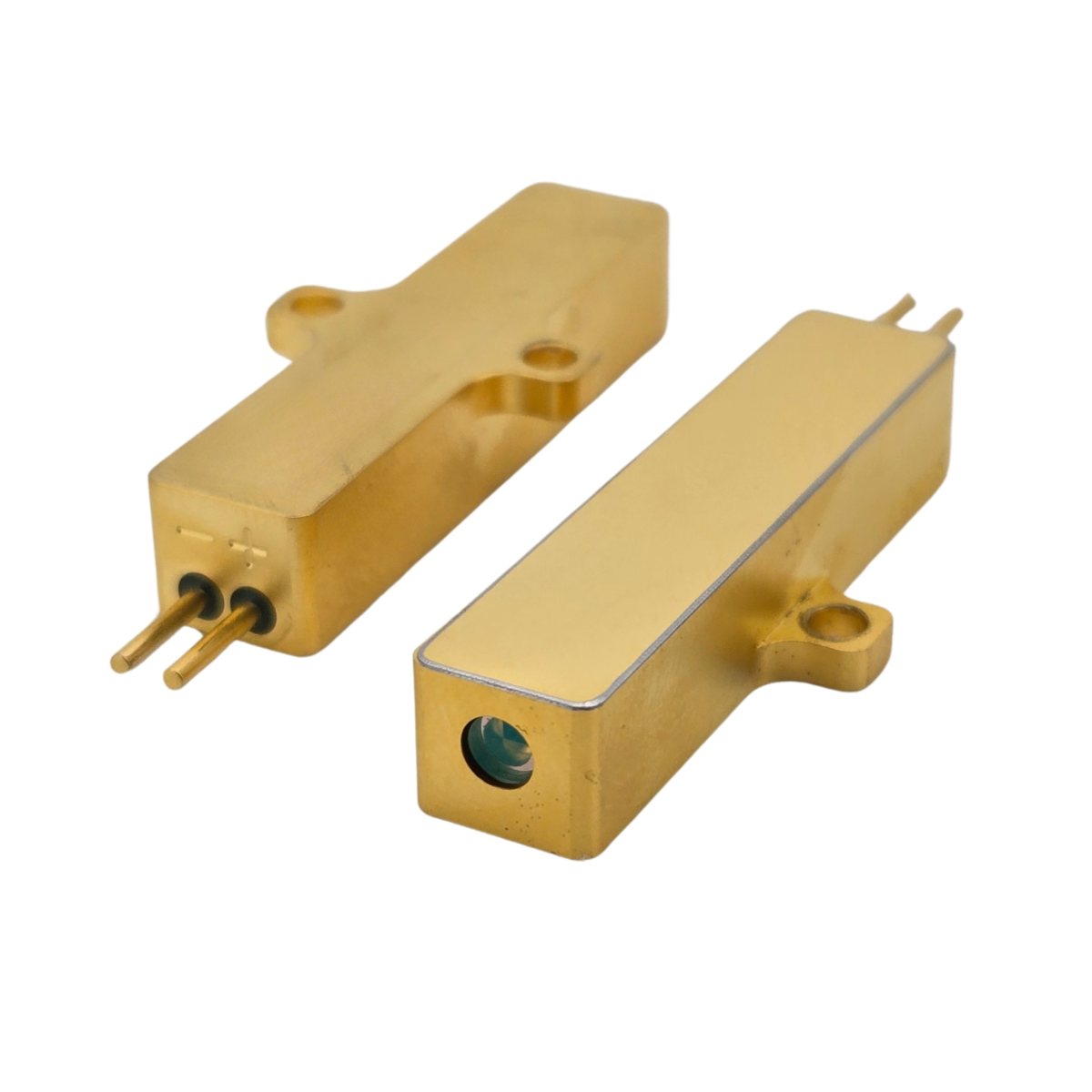
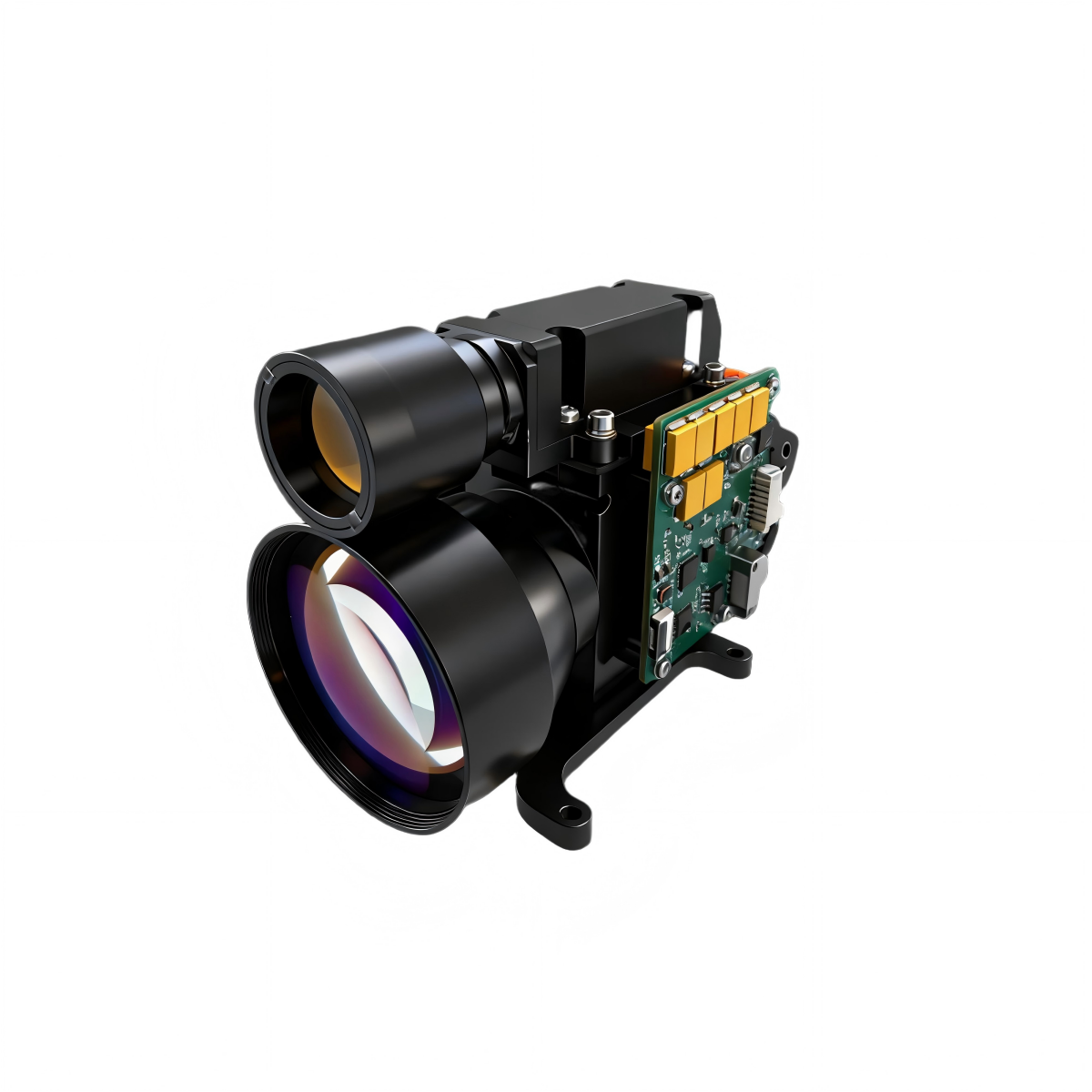
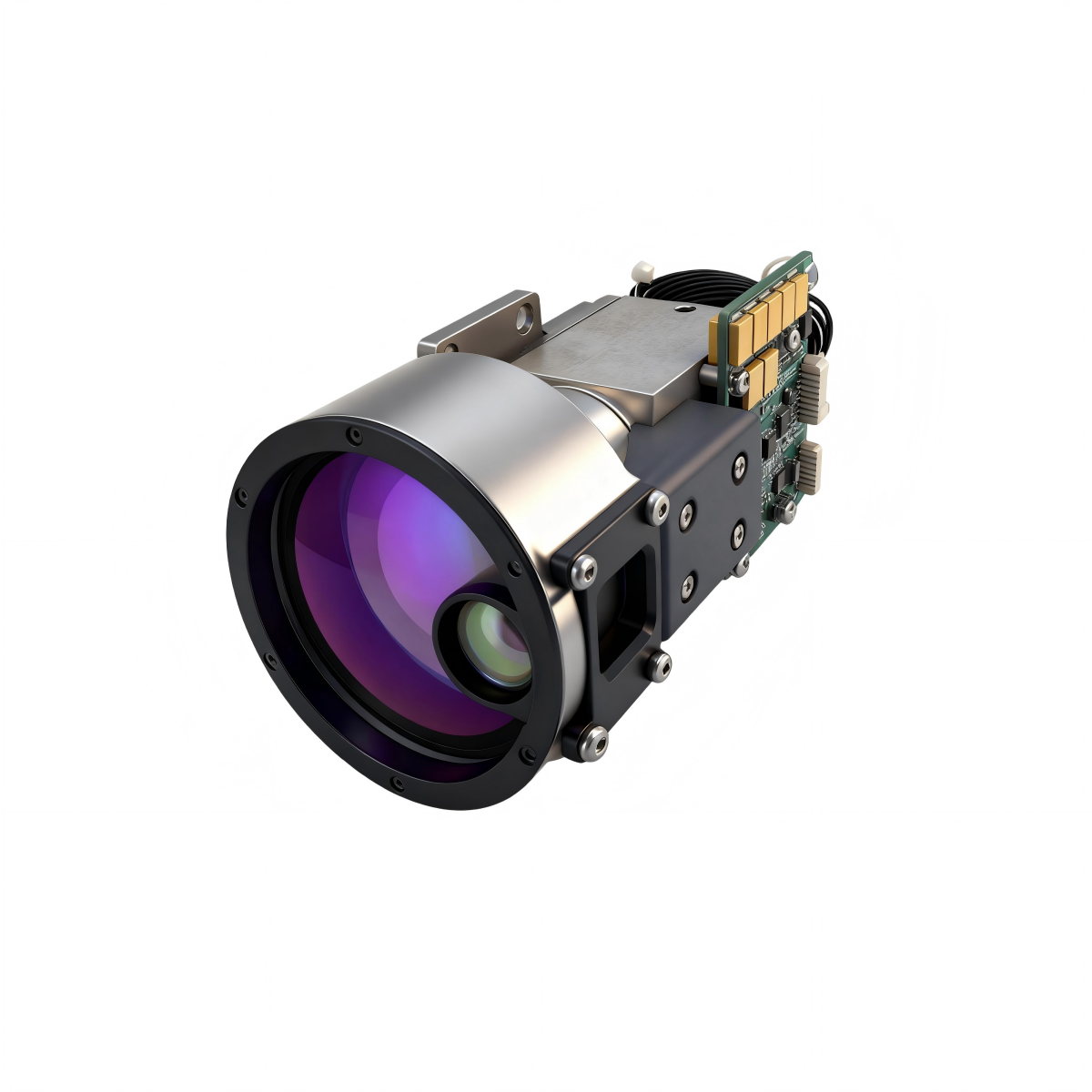
ERDI’s 1535 nm Laser Solution addresses the growing demand for compact, eye-safe, high-performance laser sources that can be seamlessly integrated into LiDAR systems, laser rangefinders, electro‐optical designators, airborne/ground/sea platforms. Built around a diode‐pumped Erbium-doped glass (Er:Glass) or Er:Yb co-doped phosphate glass gain medium, this family of lasers emits at ~1.535 µm (often referred to as 1.54 µm) and leverages passive Q-switching to deliver nanosecond pulses with excellent beam quality and long lifetime. The wavelength falls into the eye-safe near-infrared band (Class 1M/1) while offering high energy and robust performance.
This solution is designed specifically for OEM integration, enabling compact SWaP (Size, Weight, and Power) footprints, high reliability, and adaptability to military, industrial and civilian markets. Whether for airborne LiDAR scanning, unmanned platforms, vehicle‐mounted rangefinders or fixed‐site perimeter defence, the 1535 nm series stands out as a future‐proof choice.
2. Research & Development Highlights
2.1 Gain Medium & Pumping Mechanism
The core of the solution is the Er³⁺-doped glass gain medium (or Er:Yb co-doped in phosphate glass) which is pumped by a semiconductor laser diode (typically ~940 nm). The diode light excites Er³⁺ ions to a metastable high-energy state; the subsequent transition (⁴I₁₃/₂ → ⁴I₁₅/₂) emits coherent light around ~1.535 µm.
The R&D emphasis has been on:
- Achieving high pulse energy in small package: e.g., 100 µJ, 500 µJ, up to several mJ.
- Ensuring excellent beam quality (TEM₀₀) and low divergence, enabling long‐range measurement and designator tasks.
- Thermal management and reliability: The design avoids bulky cooling systems, enabling –40 °C ~ +65 °C operation in many models.
- Eye safety compliance: The 1.54 µm band is absorbed by cornea and lens and does not reach the retina under normal exposure, greatly reducing hazard.
2.2 Manufacturing & Production Process
ERDI’s production line integrates:
- Semiconductor laser diode pump modules (940 nm)
- Precision glass fabrication of Er:Glass or Er:Yb co-doped phosphate glass gain elements
- High-reflectivity and partially-reflective mirror coatings to form compact resonators
- Passive Q-switch or microchip DPSS assemblies to generate nanosecond pulses
- Rigorous environmental testing to meet MIL-STD vibration/impact standards.
Quality checkpoints include pulse energy stability (±5 % or better), beam profile verification (M² measurement), divergence measurement, operating lifespan (tens of millions of shots), and eye‐safe wavelength verification (1535 ± 5 nm).
2.3 Customization & OEM Integration
ERDI offers customization options: pulse energy ranging from tens of µJ to several mJ, repetition rates from single‐shot up to tens of Hz, package sizes optimized for UAV, handheld, or vehicle systems. Interface options and mounting fixtures are OEM-friendly.
3. Technical Specifications
|
Parameter |
Typical Value |
Remarks |
|
Wavelength |
~1535 nm (±5 nm) |
Eye-safe near‐IR band |
|
Pulse Energy |
100 µJ – 500 µJ (microchip models) / up to 2 mJ‒4 mJ (higher energy versions) |
User selectable model |
|
Pulse Width |
~6 ns (or 13 ns in some models) |
Nanosecond regime |
|
Repetition Rate |
1 Hz – 10 Hz (microchip) or up to 20 Hz+ in specialized units |
Adjustable |
|
Beam Divergence |
≤ ~4 mrad (for some high‐energy models) |
Keeps high irradiance |
|
Beam Mode |
TEM₀₀ |
Enables high quality beam |
|
Operating Temperature |
–40 °C to +65 °C (some extend to –45 °C/+65 °C) |
Robust environment |
|
Lifetime |
>50 million shots (for some models) |
High reliability |
|
Package Size / Weight |
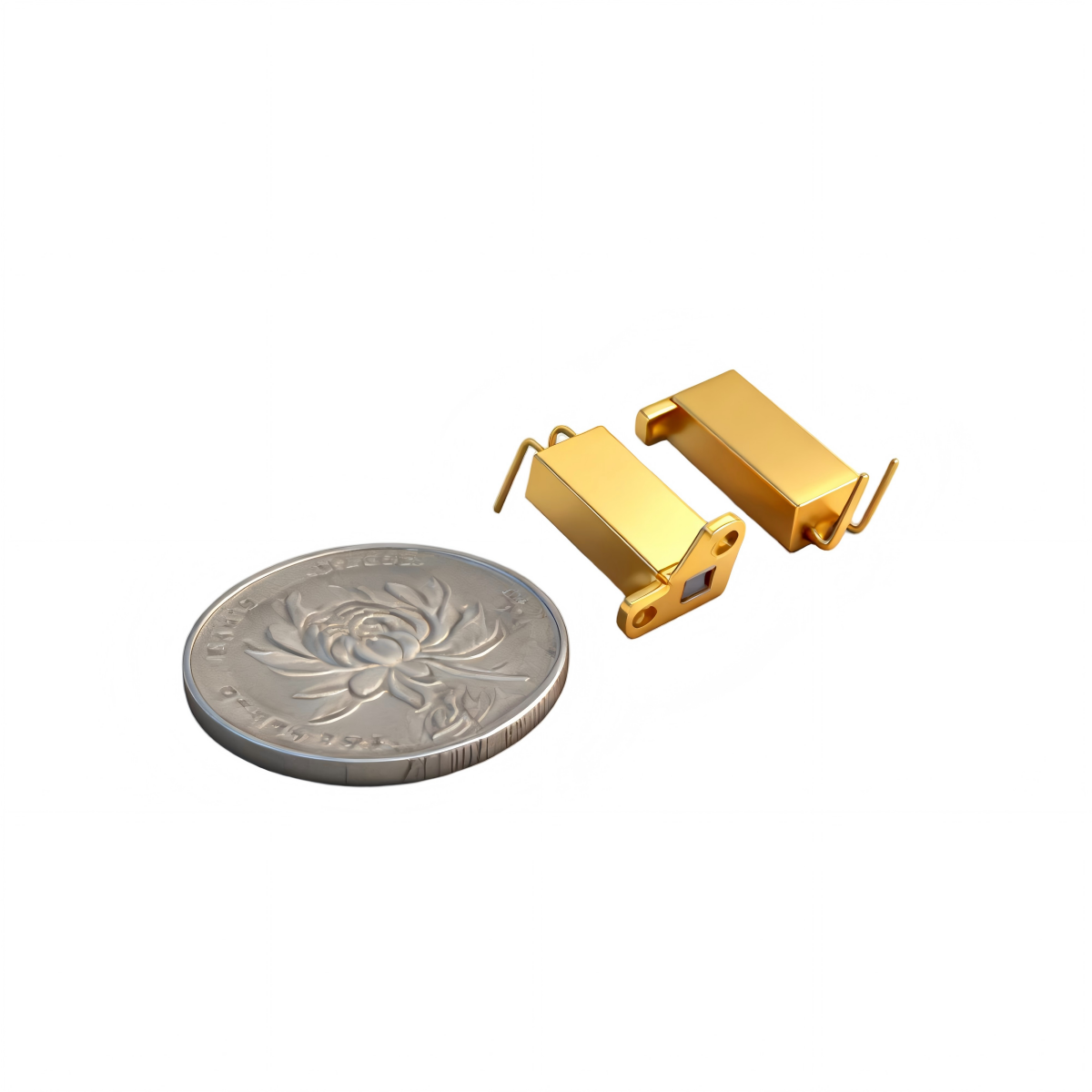
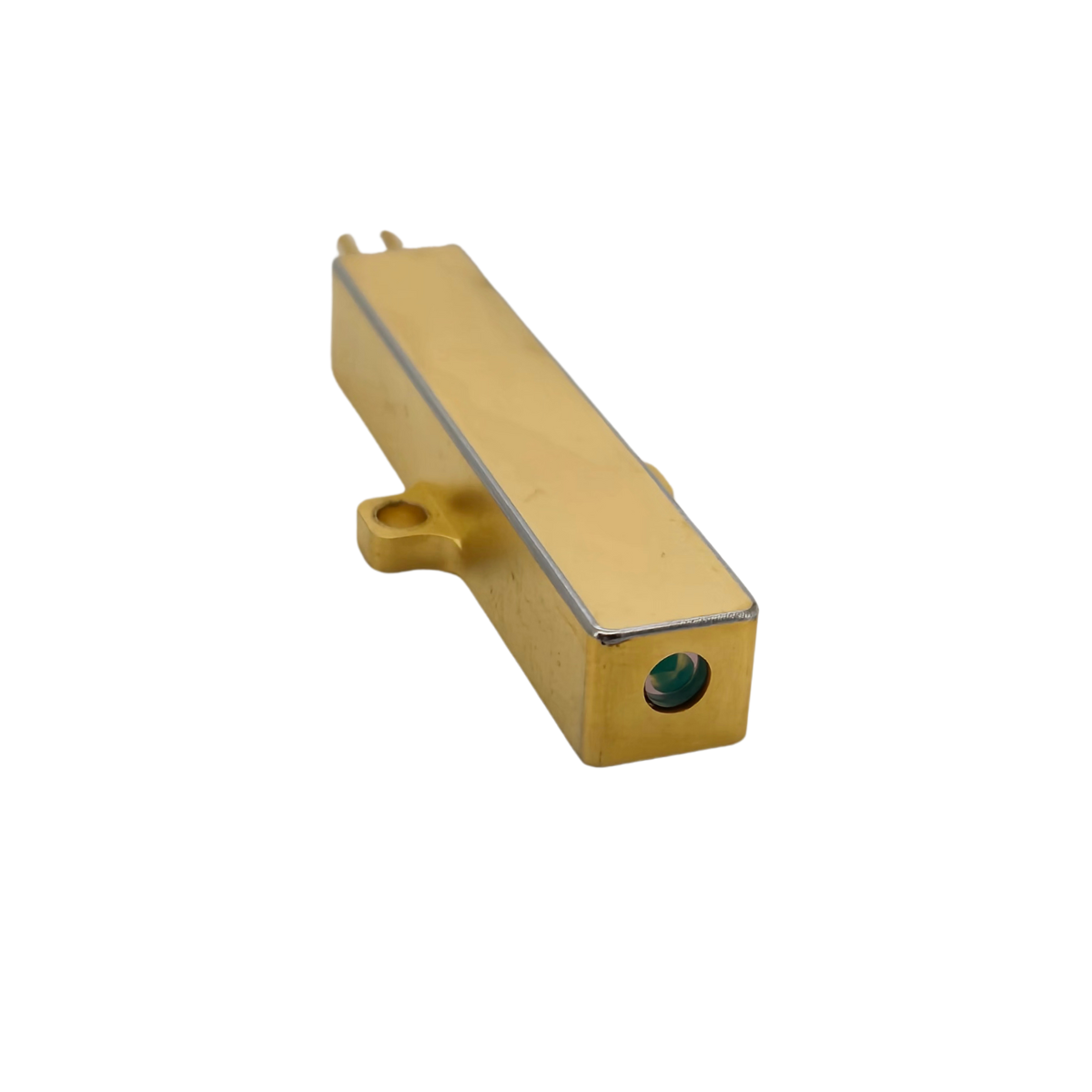
e.g., 35×8×6.8 mm; 10 g weight in some microchip models |
Ultra-compact |
|
Eye-Safe Classification |
Class 1 or Class 1M |
Enables “eye-safe” marketing |
Note: actual values vary by model; refer to the datasheet for specific variant.
4. Key Technical Advantages
- Eye-safe Wavelength: Operating at 1.54 µm naturally reduces retinal hazard and allows easier regulatory compliance in open‐field operations.
- High Pulse Energy with Compact Form Factor: Enables long‐range ranging and designating tasks while maintaining low SWaP, ideal for UAVs, handheld, and vehicle systems.
- Excellent Beam Quality and Low Divergence: Ensures tight beam focus at range, increasing measurement accuracy and ranging span.
- Broad Operating Environment: Designed for extreme temperatures and robust conditions, making it suited for military, industrial and outdoor deployments.
- Seamless OEM Integration: Modular design, standard interfaces, multiple mounting options, and customizable specifications make the solution builder-friendly.
- Full Industrial Chain Support: From R&D to production to global service, ERDI supports customers with sample delivery in days, on-site technical support, and global shipping.
5. Solution Architecture & Integration Workflow
- Laser Module Selection: Choose appropriate energy class (e.g., 100 µJ, 500 µJ, 2 mJ) based on target range, environment, and platform.
- Optical Collimation and Beam Conditioning: After the laser module emission, collimate and condition the beam using custom optics to achieve desired divergence and coupling into the system (gimbal, turret, LiDAR scanner).
- Platform Mounting: Install module inside UAV pod, vehicle turret, maritime tower or industrial LiDAR unit. Ensure mechanical stability, thermal dissipation, and optical alignment.
- Control & Trigger Interface: Use OEM interface (e.g., TTL trigger / RS-422 / custom command set) to synchronize pulses, external trigger, shot counting, BITE monitoring.
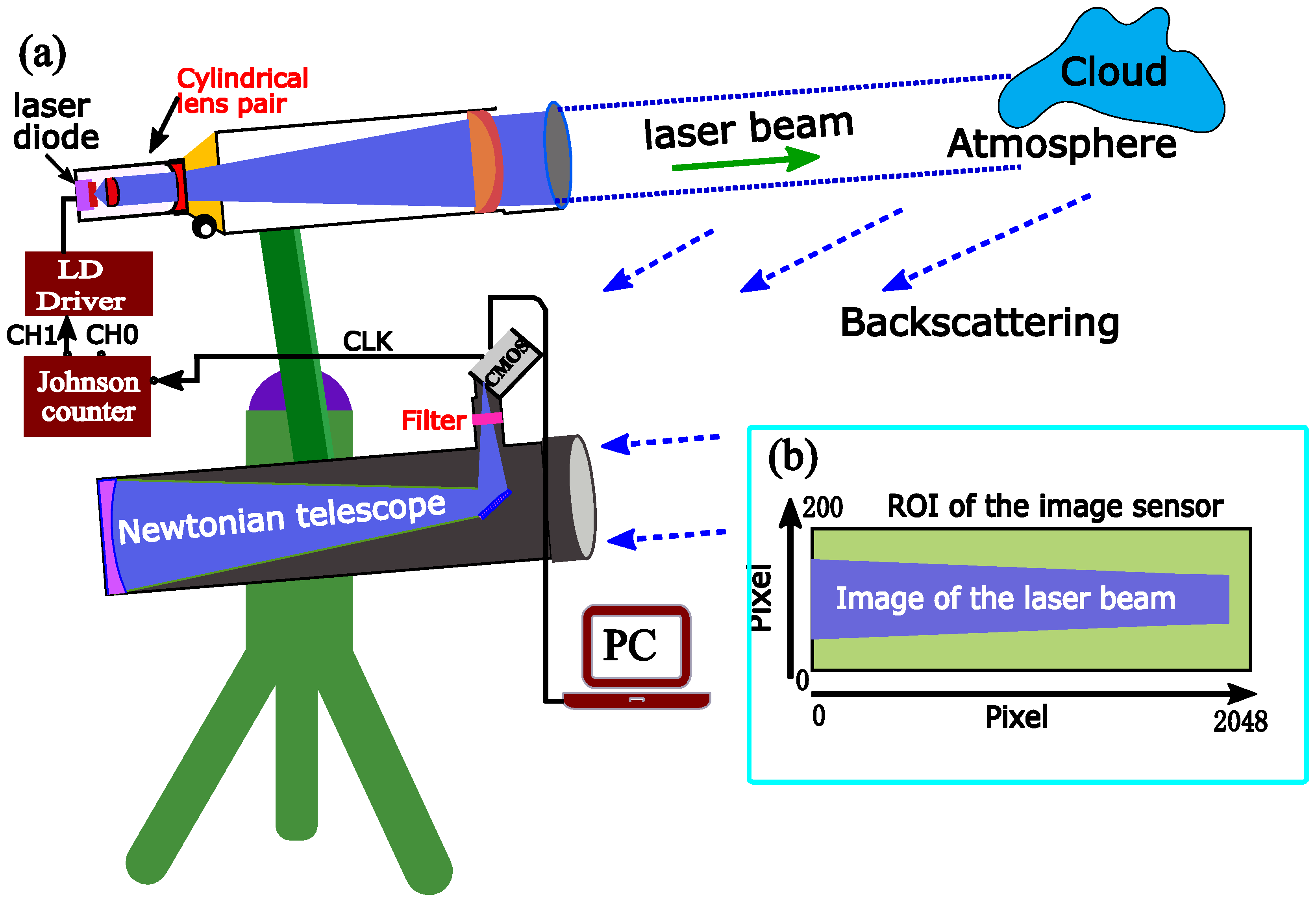
- Receiver & Signal Processing(for ranging systems): Use InGaAs/APD or other near-IR detectors optimized for 1.54 µm to receive the return pulse, process via TDC (Time‐to‐Digital Converter) to compute distance. This system benefits from the low atmospheric absorption and eye-safe wavelength band.
- System Calibration & Verification: Validate beam divergence, pointing accuracy, pulse stability, and range performance under operational conditions.
- Field Deployment & Maintenance: Ensure lifetime tracking, performance logs, shot counters, and service support.
6. Application Scenarios
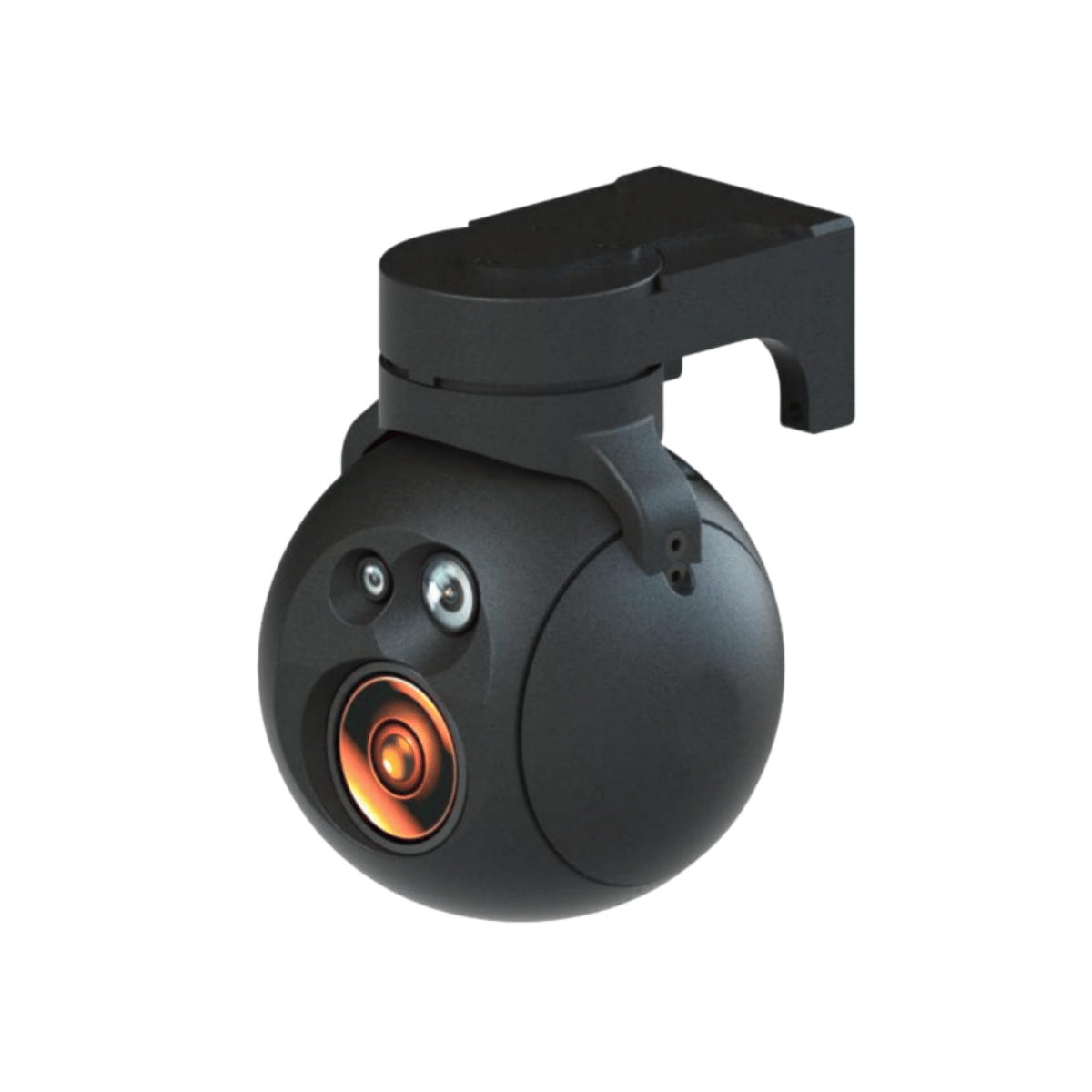
6.1 UAV / Airborne LiDAR Payload
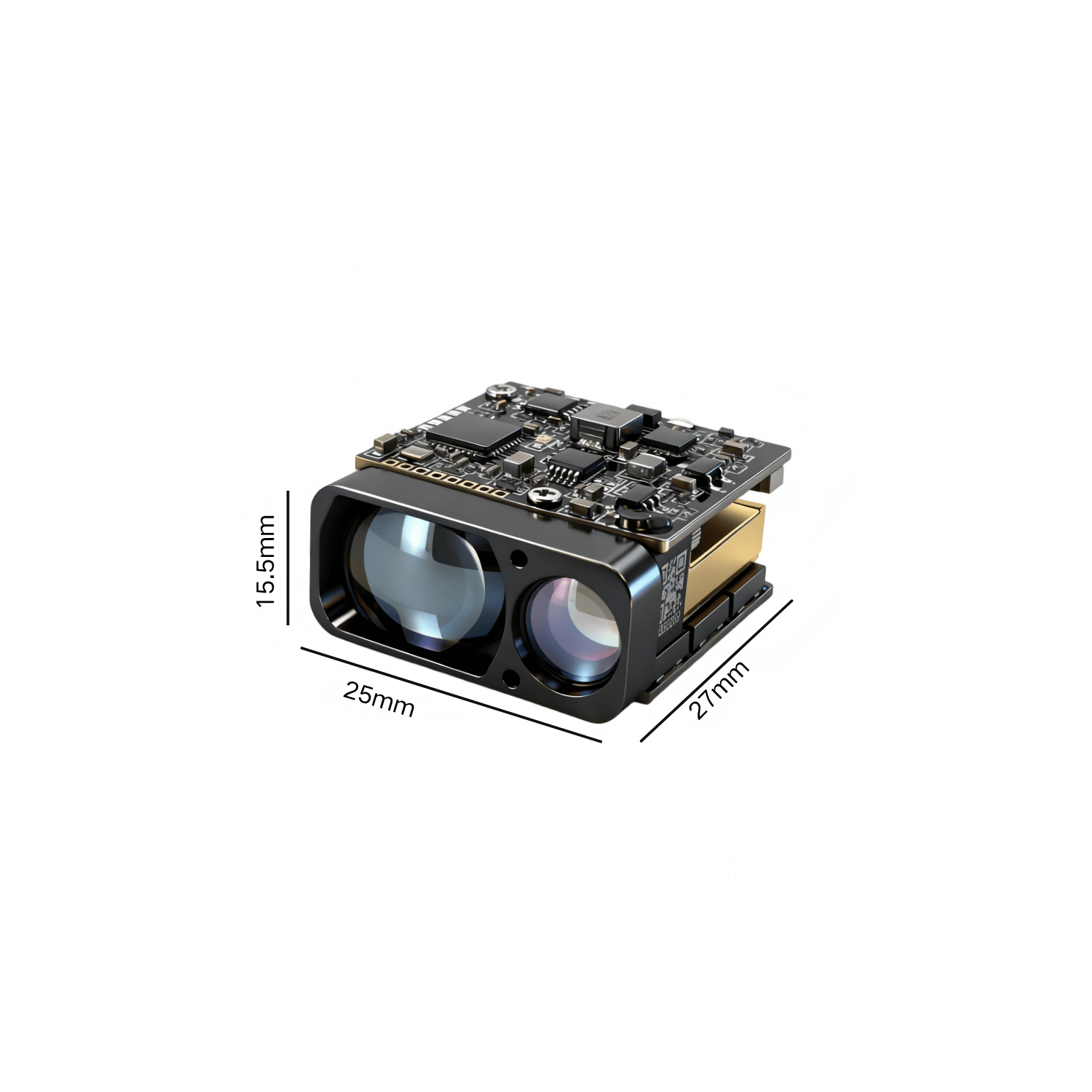
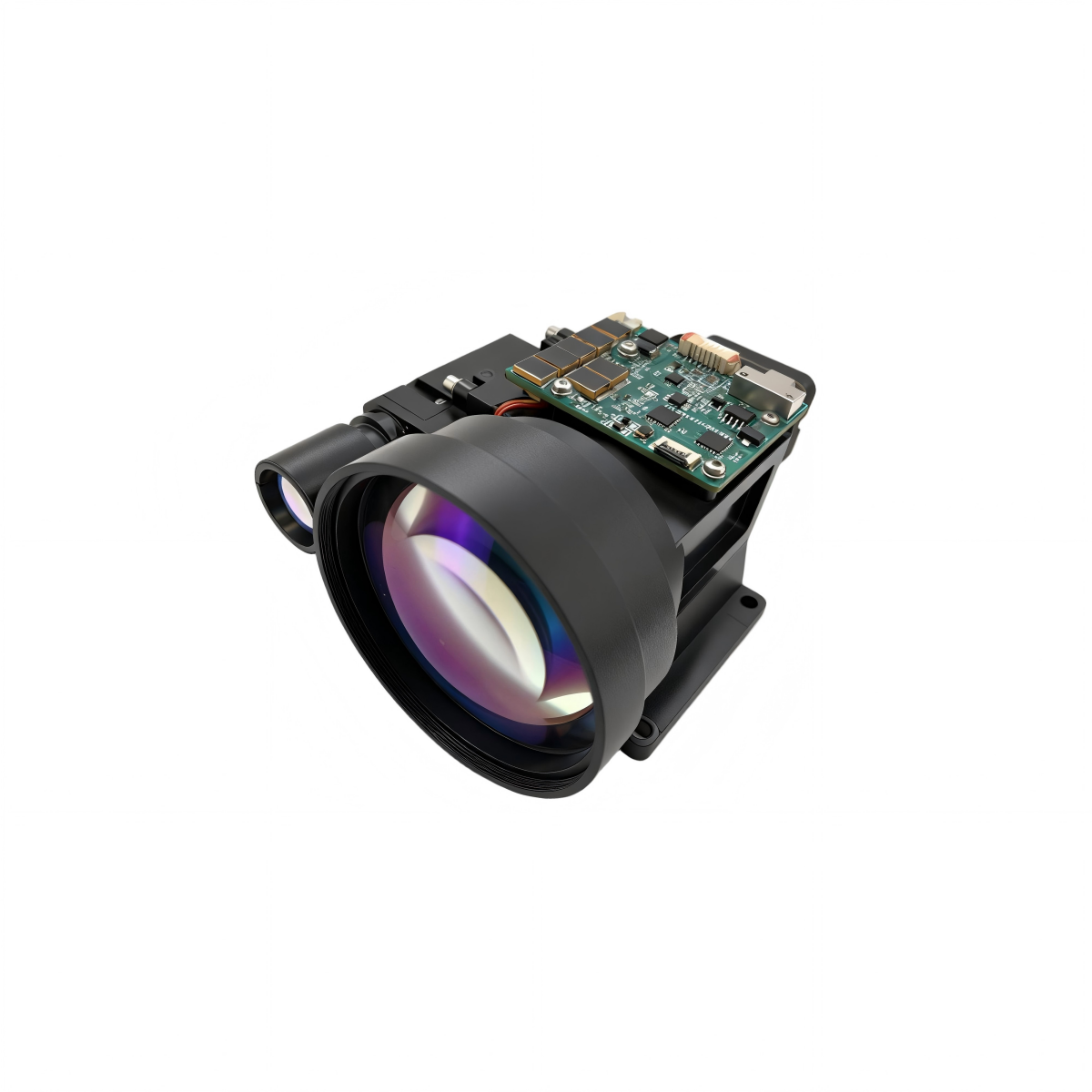
Installed in a lightweight UAV pod, the 1535 nm laser module provides high-precision altitude, terrain mapping, obstacle detection and target ranging. Its eye-safe nature enables safe operation over populated areas or near other assets. The combination of nanosecond pulses and 1.54 µm wavelength supports high-speed scanning and long‐range point cloud generation.
|
 |
 |
 |
 |
 |
6.2 Vehicle / Ground Fire-Control & Rangefinding
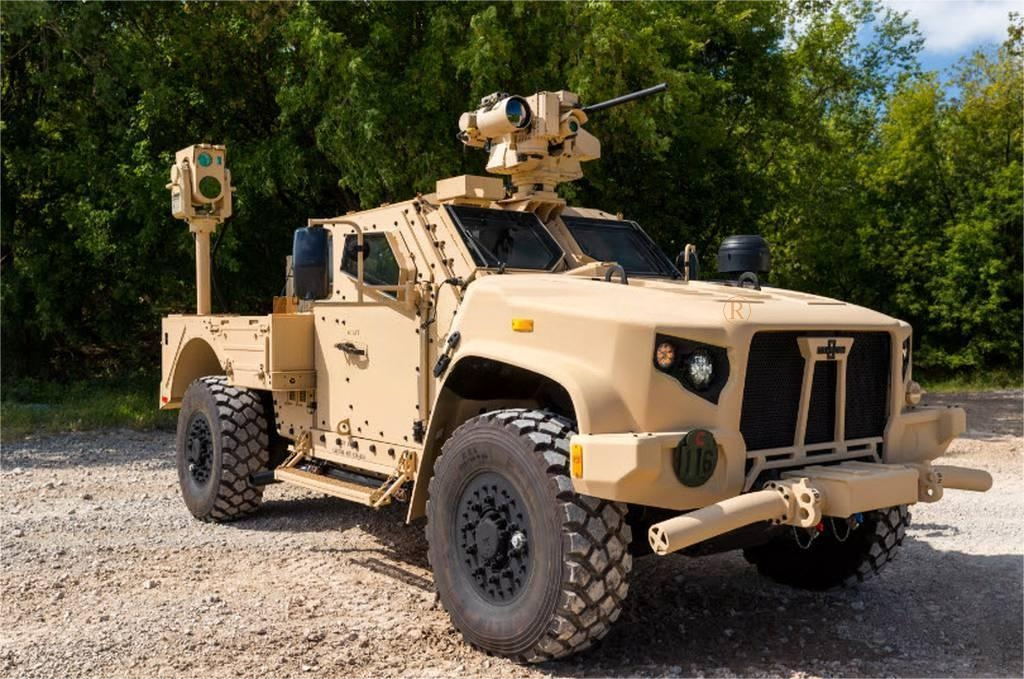
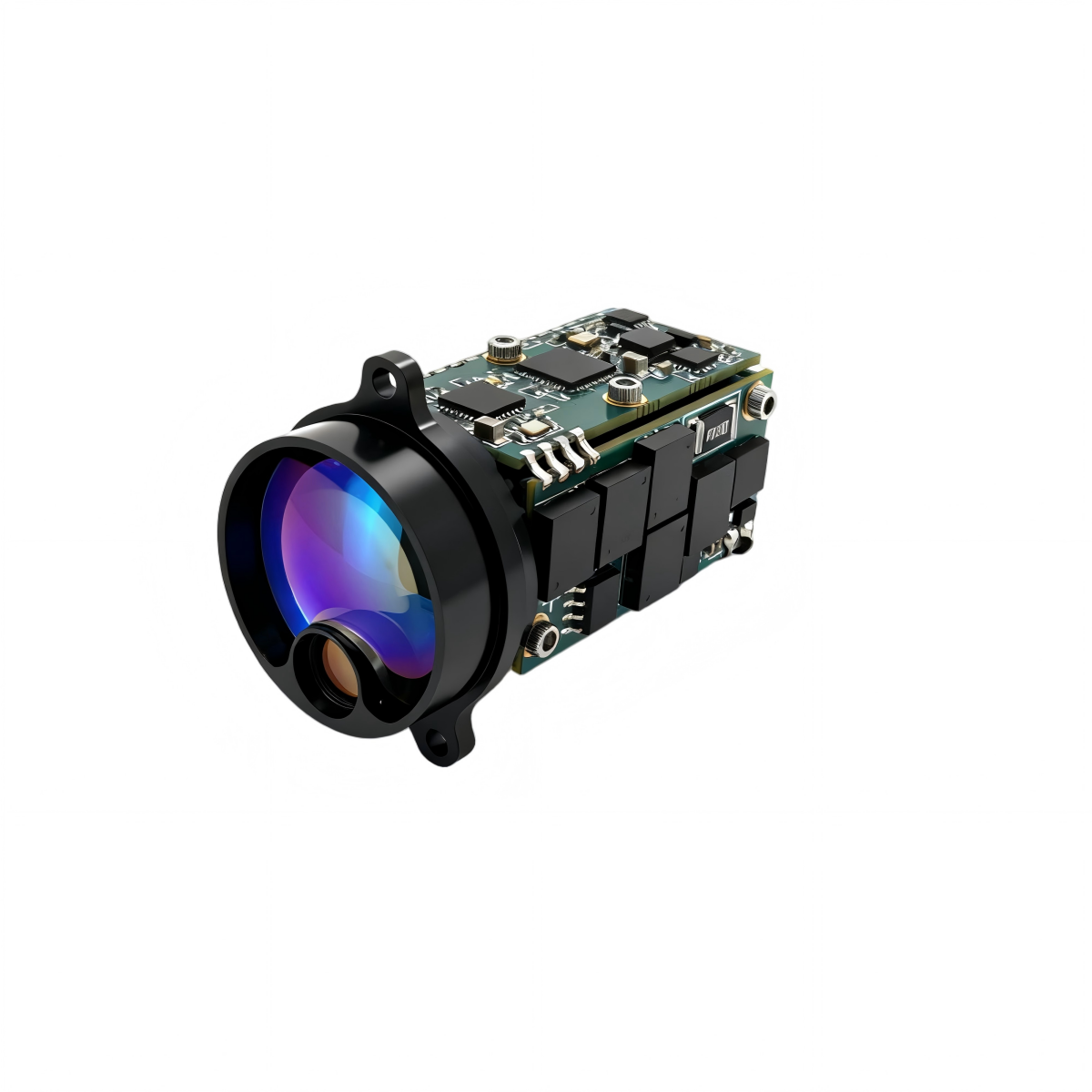
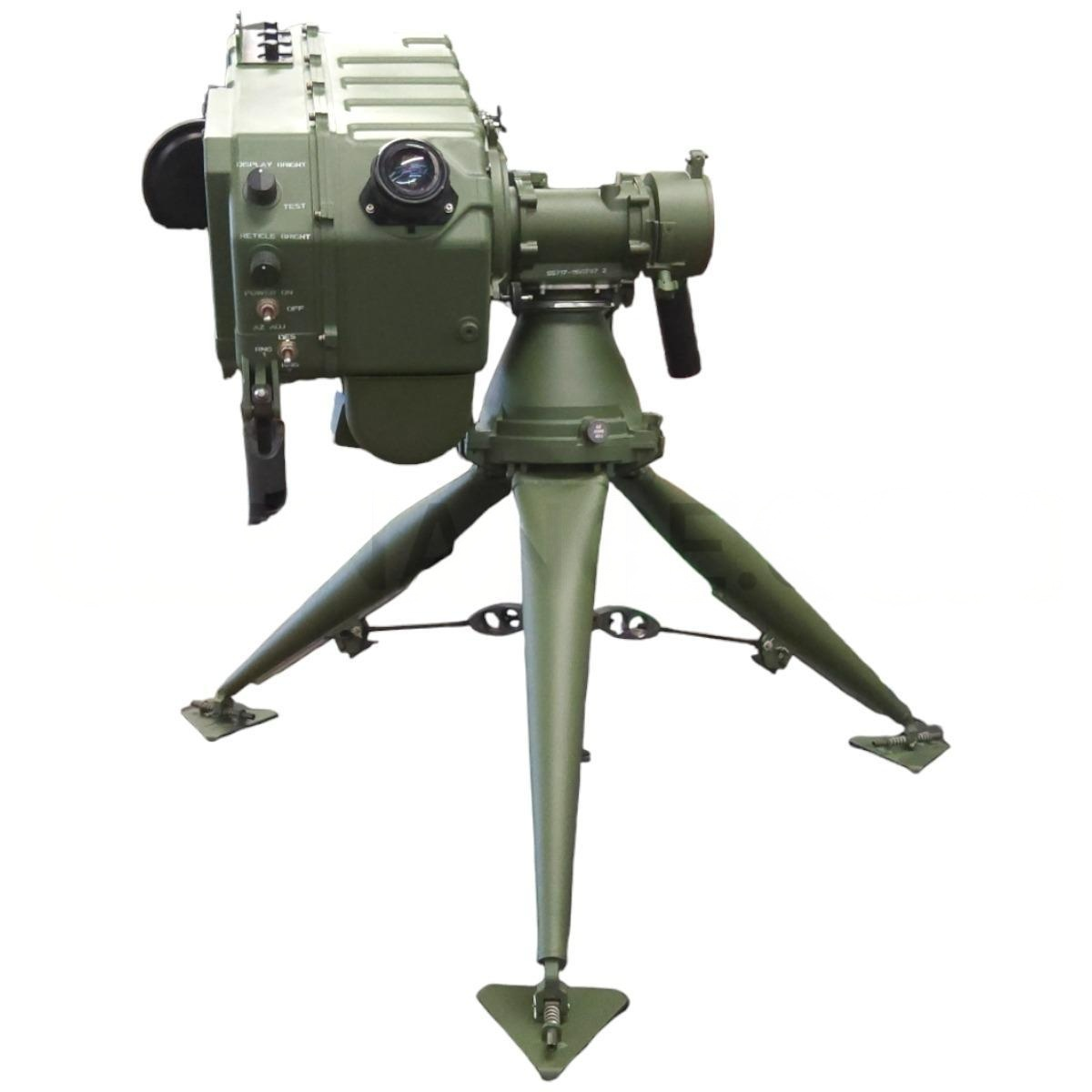
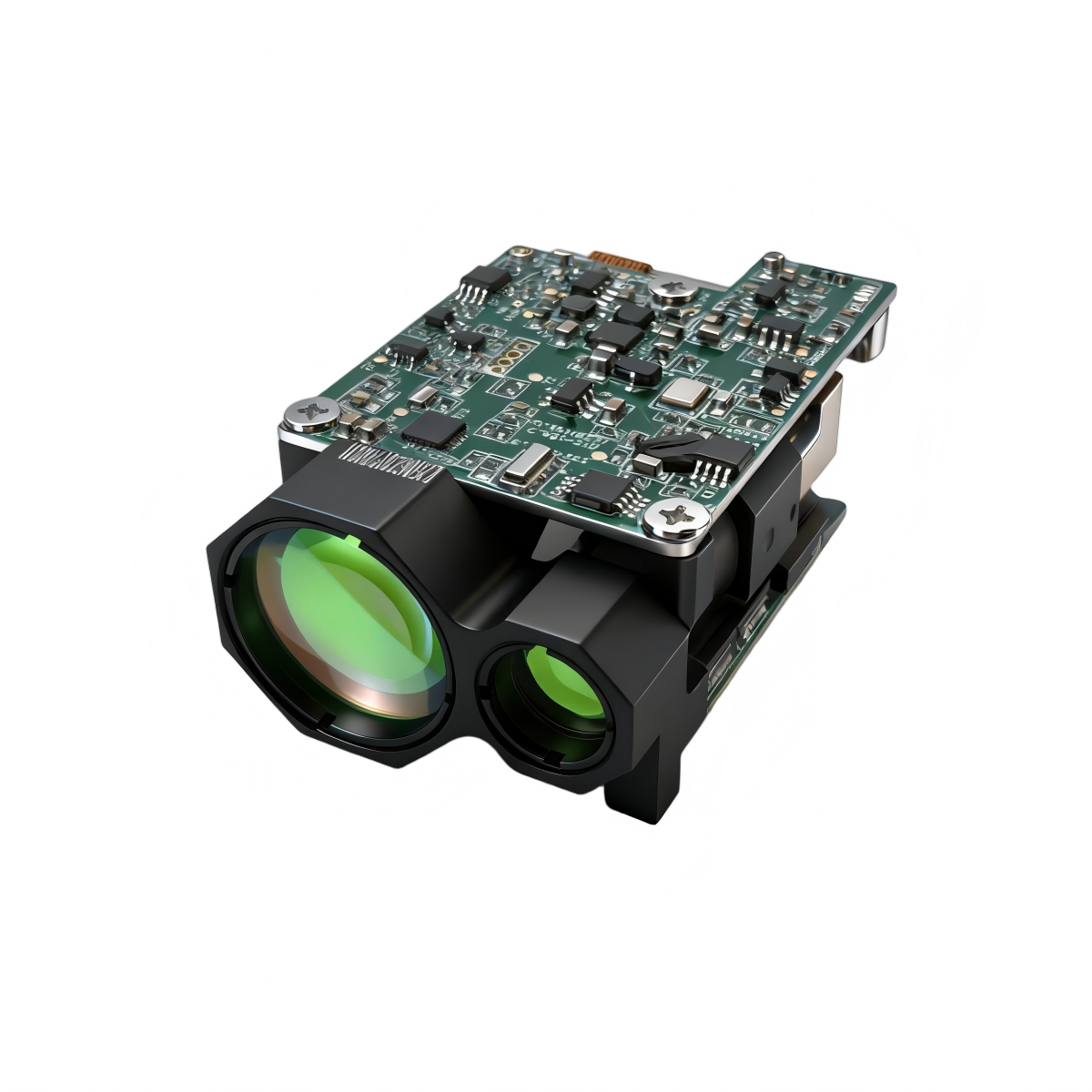
Mounted on an armored vehicle or reconnaissance platform, the 1535 nm laser delivers precise distance data and coded laser designation to laser-guided munitions. Its compact size allows turret‐integration with minimal footprint. The eye‐safe wavelength supports safer training and urban operations.
 |
 |
 |
 |
 |
|
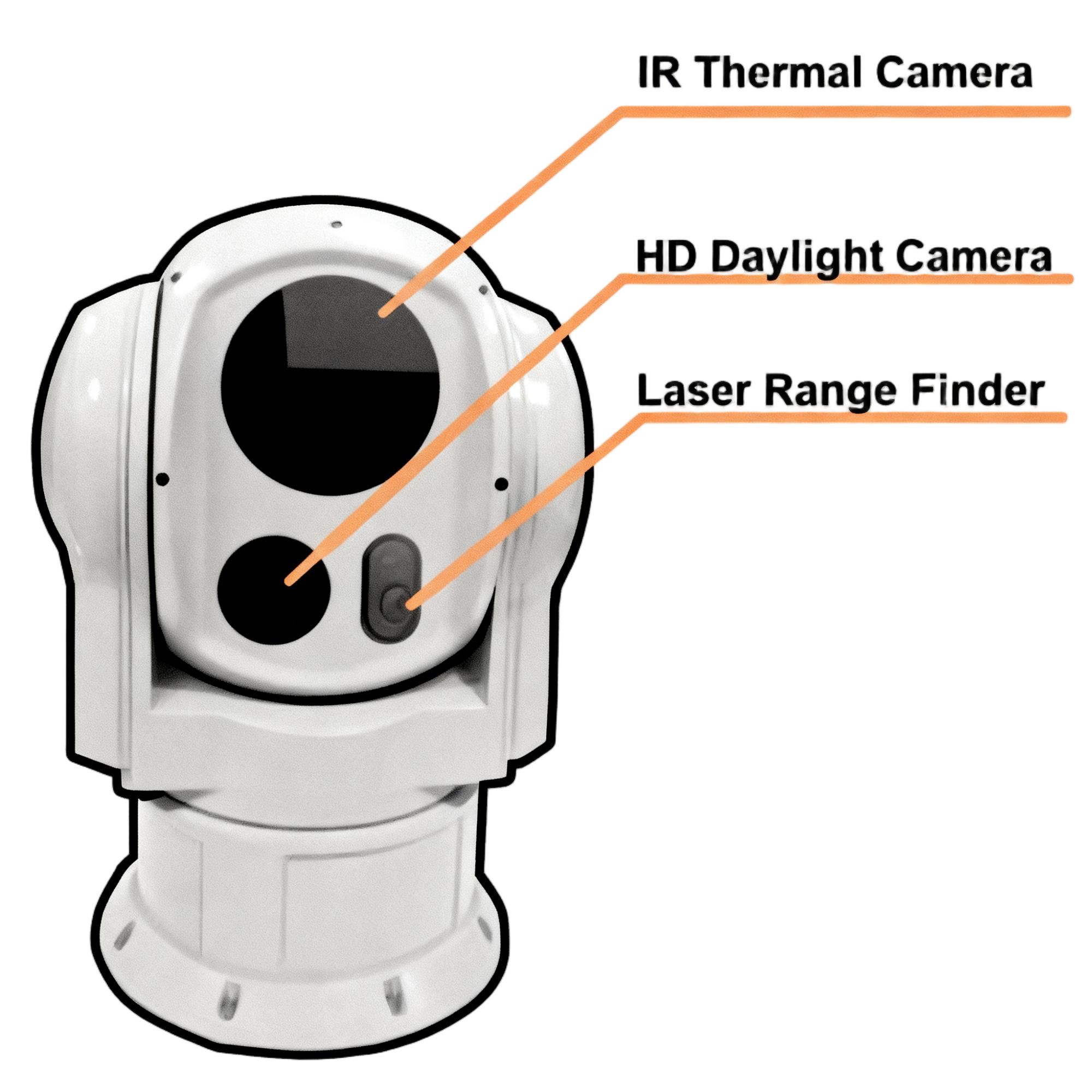
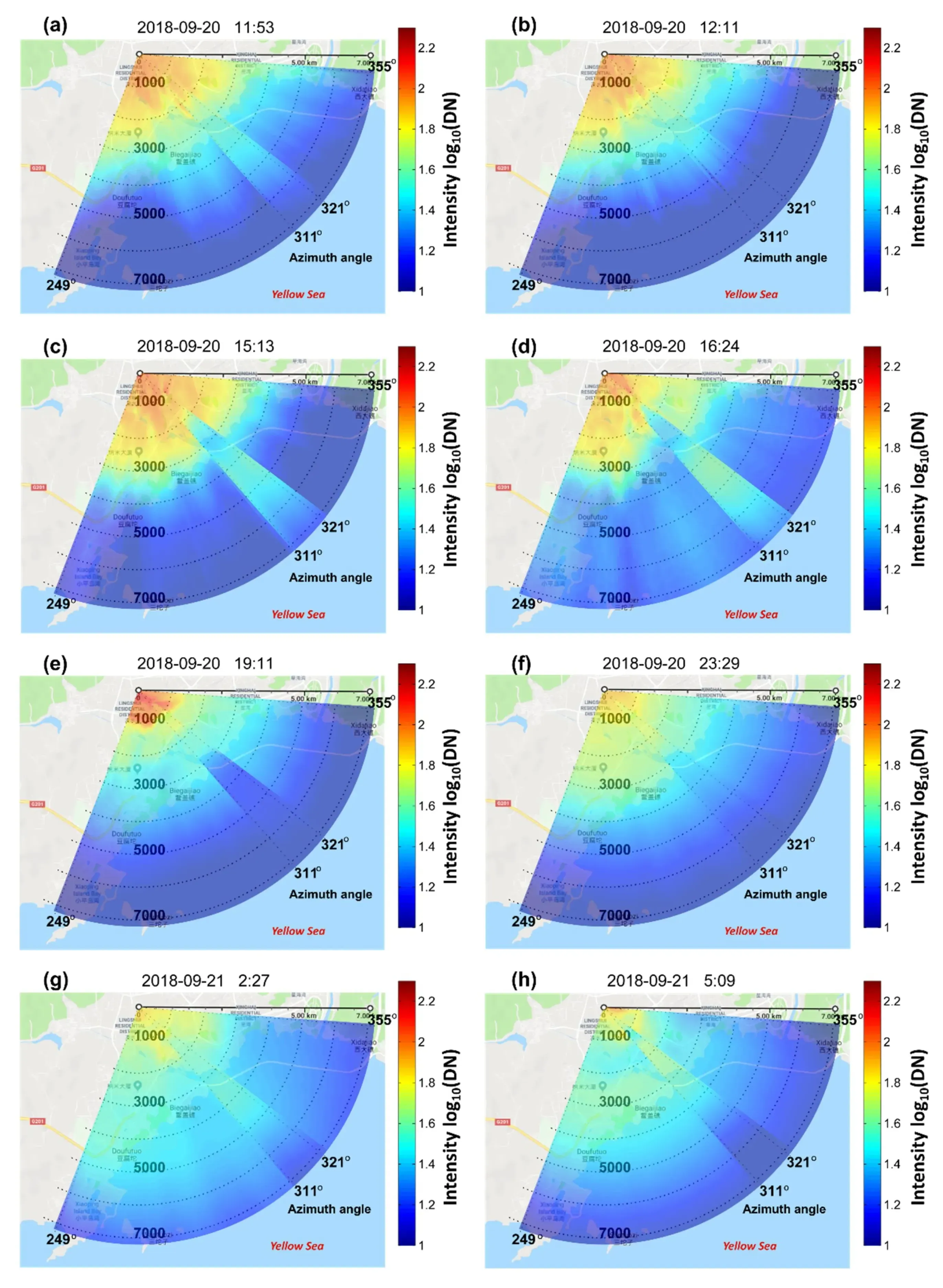
6.3 Maritime / Coastal Surveillance & LiDAR
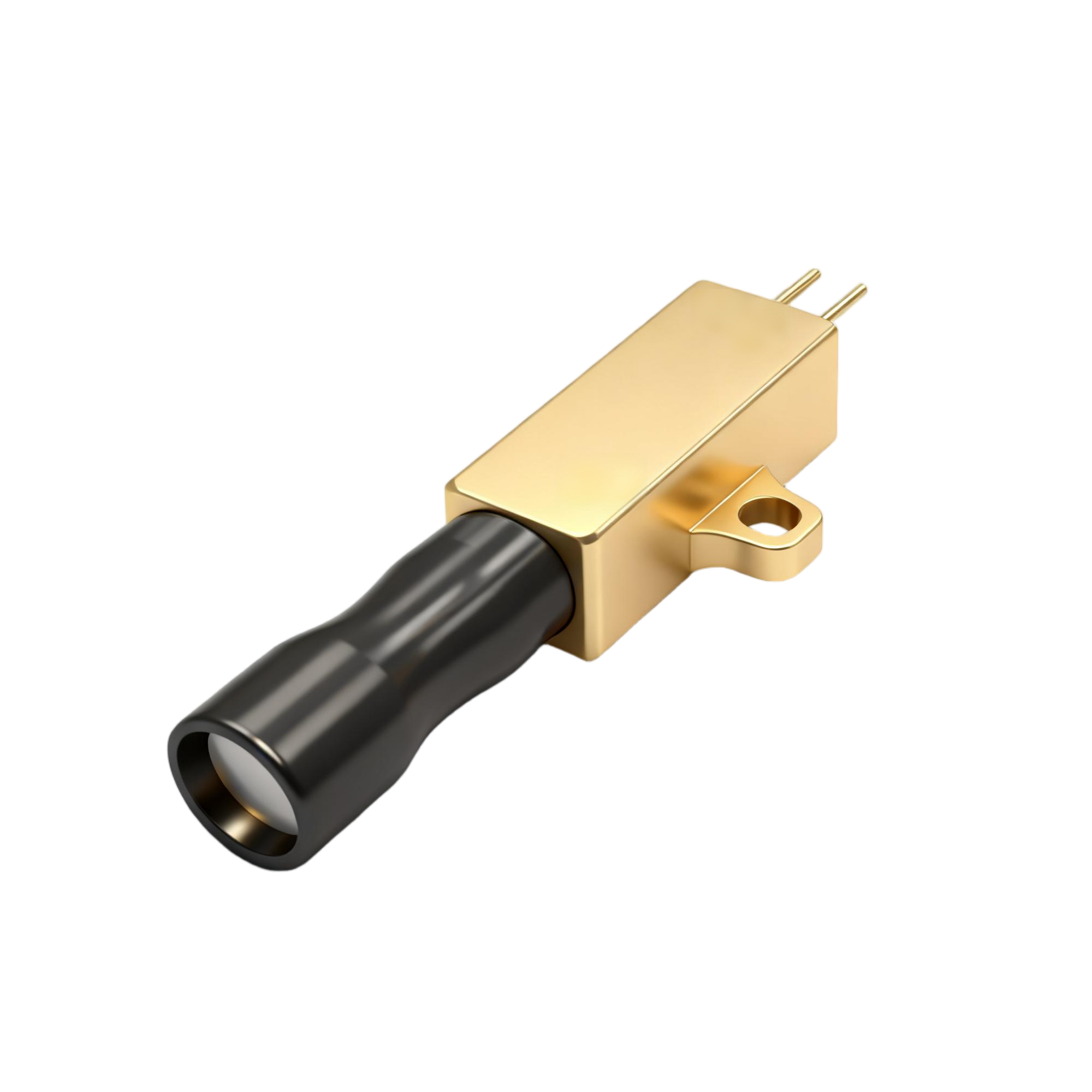
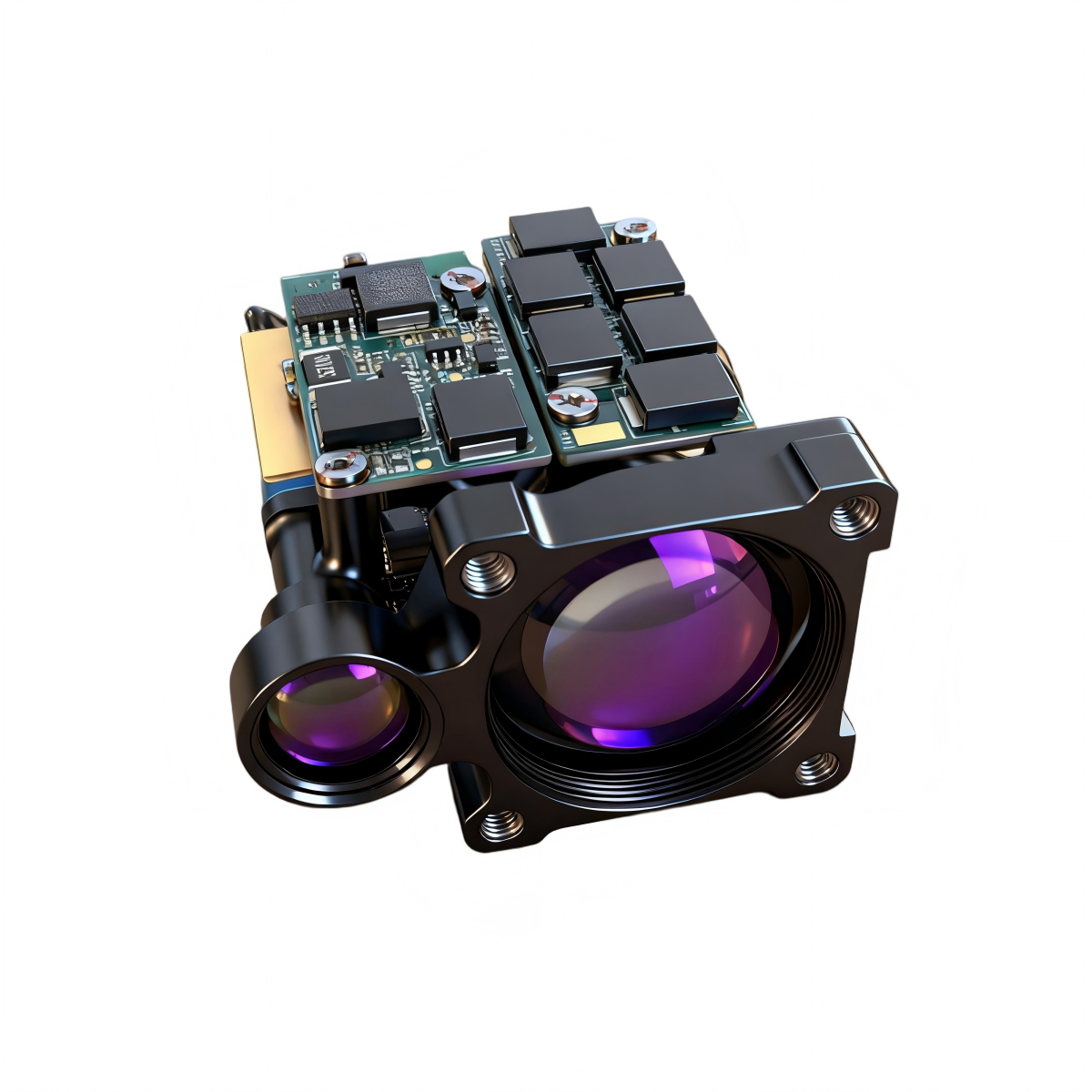
In a maritime scenario, the module is integrated into a coastal surveillance tower, USV, or shipborne EO/IR system. The 1.54 µm wavelength offers favourable atmospheric transmission in marine fog/haze conditions. Rangefinding of vessels, drifting objects or environmental monitoring is feasible with high reliability.
 |
 |
 |
 |
 |
 |
6.4 Industrial & Civil LiDAR Mapping
Beyond defence, the 1535 nm laser finds applications in airborne or terrestrial LiDAR mapping, infrastructure inspection, environmental sensing, and mobile mapping vans. The eye-safe wavelength enables deployment in public areas with fewer regulatory constraints.
|
|
|
|
|
|
|
|
7. Why Choose ERDI’s 1535 nm Laser Solution?
- Full Spectrum of Output Options: From 100 µJ microchip modules to multi-mJ high-energy units.
- Streamlined Supply Chain: ERDI controls from glass fabrication to optical assembly, enabling fast sample delivery, reliable OEM support and global logistics.
- Eye-Safe & Field-Friendly: Designed for outdoor, airborne and ground deployment under harsh environments.
- Future-Proof Integration: Compatible with laser designator, LiDAR, rangefinder systems and easily integrated into multi-sensor platforms.
- Global Service Network: Technical support, custom OEM services, lifetime maintenance programs.