
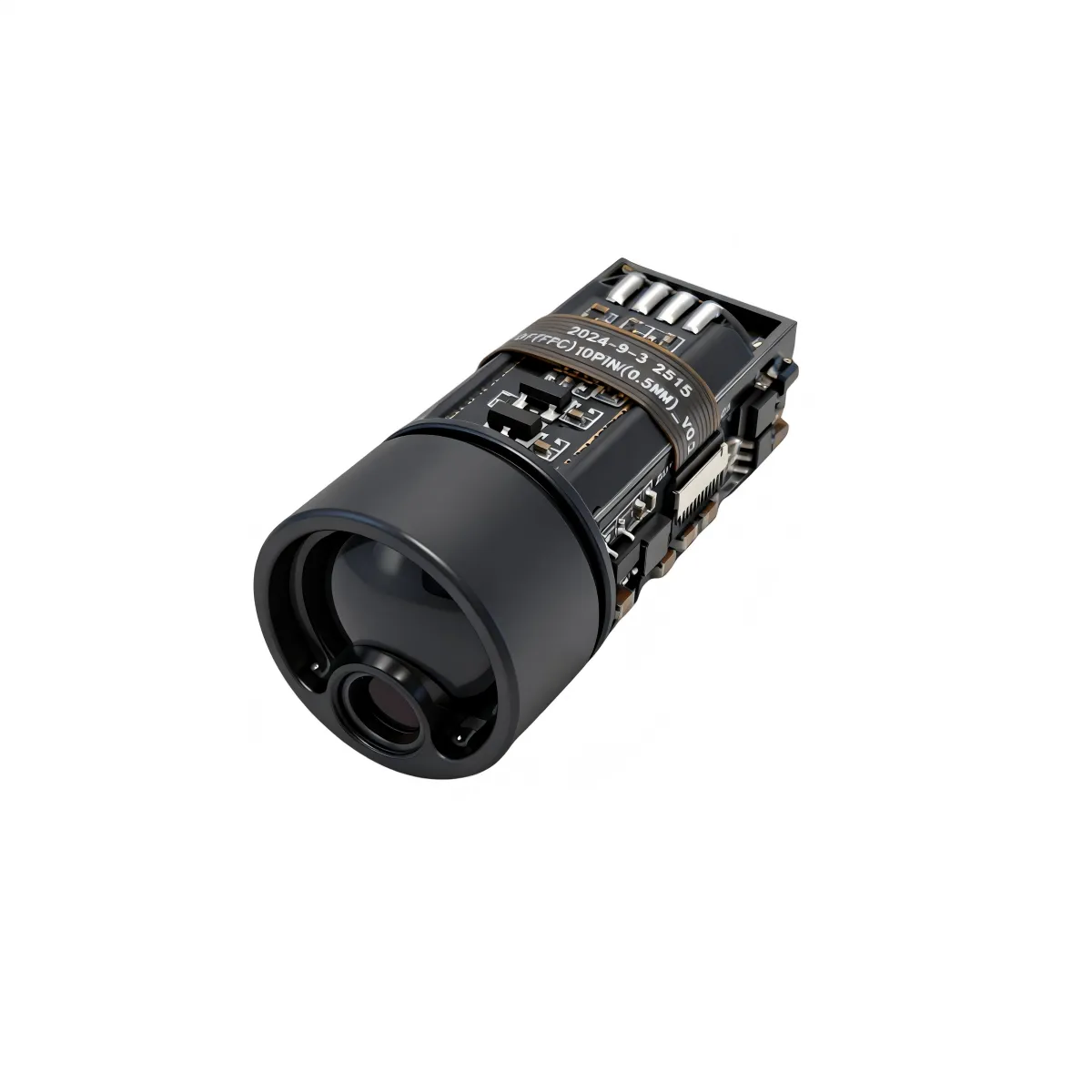
Solid-state lasers use a crystal or glass gain medium doped with rare-earth ions such as neodymium, ytterbium, or erbium. Their stable output, compact packaging, and broad wavelength options make them valuable in precision manufacturing, sensing, scientific instruments, aerospace, and electro-optical systems.
Where solid-state lasers are used
Manufacturing and precision processing
Solid-state lasers are used for cutting, welding, drilling, marking, and micromachining metals, ceramics, polymers, and composite materials. Nd:YAG and related laser architectures can produce concentrated energy with a small heat-affected zone, supporting repeatable processing and permanent traceability marks.
Electronics and semiconductor manufacturing
Non-contact laser processing is useful for PCB drilling, wafer scribing, display manufacturing, component trimming, and precision marking. The wavelength, pulse duration, beam quality, and focusing optics must be selected for the material and required feature size.
Laser ranging, LiDAR, and security systems
Pulsed solid-state laser sources provide controlled optical energy for time-of-flight measurement, target designation, LiDAR, and electro-optical payloads. The required wavelength, pulse energy, pulse width, repetition rate, beam divergence, and thermal design depend on operating range, target reflectivity, receiver sensitivity, duty cycle, and environmental conditions.
Scientific research and instrumentation
Research laboratories and instrument manufacturers use solid-state lasers for spectroscopy, calibration, optical testing, metrology, and the excitation of other laser sources. Stable output and well-defined beam parameters are essential when the laser is integrated into a measurement system.
What to specify for an OEM laser module
Before selecting an OEM module, define the operating wavelength, output energy or power, pulse format, repetition rate, beam quality, electrical interface, package size, cooling method, and environmental requirements. System-level testing should also account for optical-window transmission, alignment tolerance, electromagnetic compatibility, vibration, and temperature range.
ERDI TECH LTD develops compact laser sources and integrated modules for rangefinding, target designation, LiDAR, and industrial sensing. Our engineering team supports OEM/ODM integration, interface definition, and environmental validation for project-specific requirements.