

Operating Instructions
-
Match the laser driver to the ER2000 laser.
The laser driver power supply must be properly matched to the laser.
The typical load voltage of the ER2000 is < 5 V, with an operating current of 80 A, pulse width < 4 ms, and a repetition rate of 5 Hz. For the exact operating parameters, please refer to the attached factory test report.
The laser driver power supply must meet these requirements; otherwise, the laser may fail to operate properly or could be overloaded and permanently damaged. Therefore, before wiring, carefully check the laser specification sheet and confirm that the laser is compatible with the selected driver. -
Always disconnect power before wiring.
Before making any connections, make sure the power is switched off and completely isolated. During wiring, carefully check the positive and negative terminals of the laser and ensure correct polarity. After the wiring is completed, perform a thorough inspection to confirm that all connections are correct, in order to avoid short circuits, reverse polarity, and other faults. At the same time, make sure all terminals are firmly secured to prevent poor contact due to loose wiring. -
Set operating parameters according to the factory test report.
After confirming that the wiring is correct, set the corresponding parameters on the driver according to the attached factory test report. Once the parameters are correctly set, turn on the driver; the laser should then operate normally.
Product Description
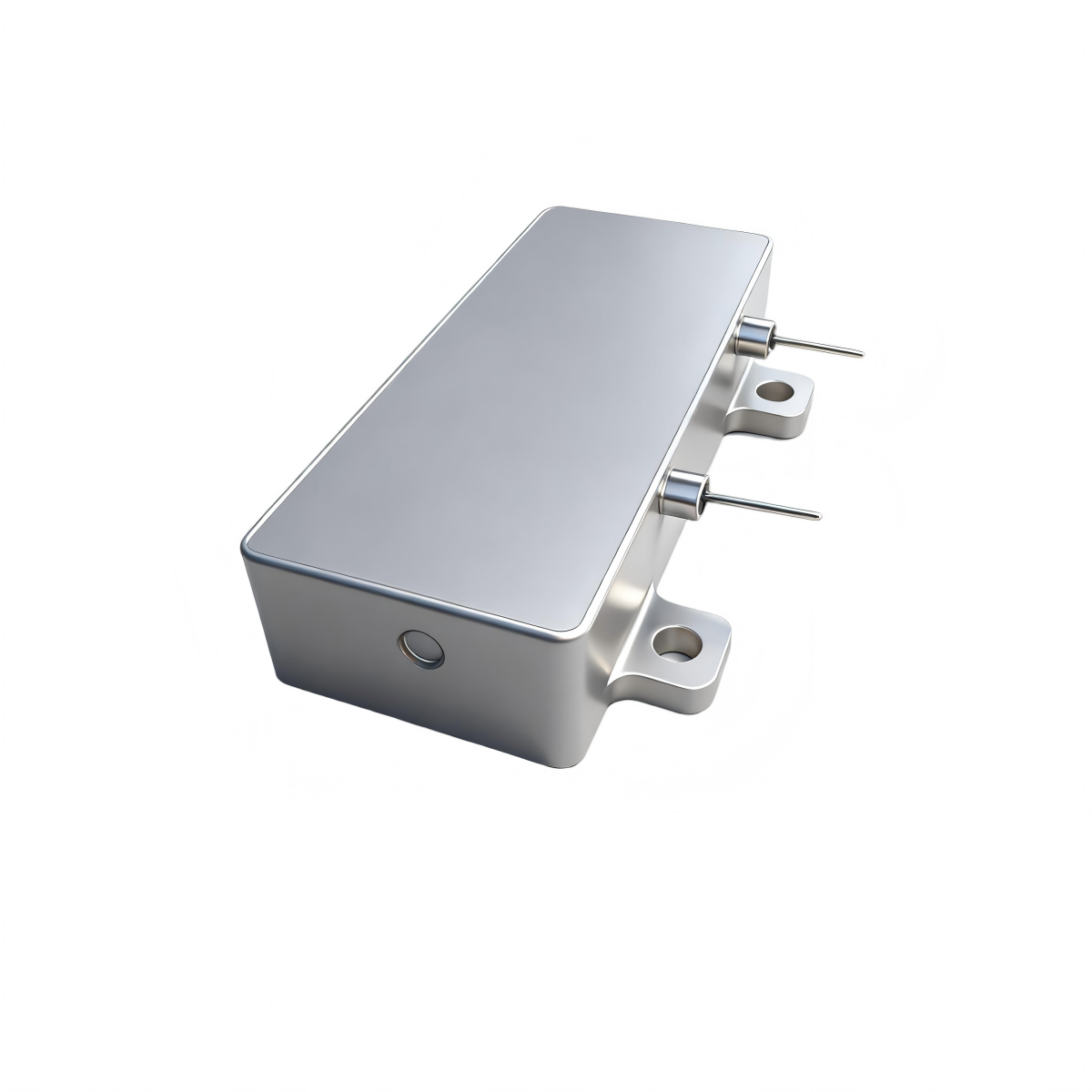
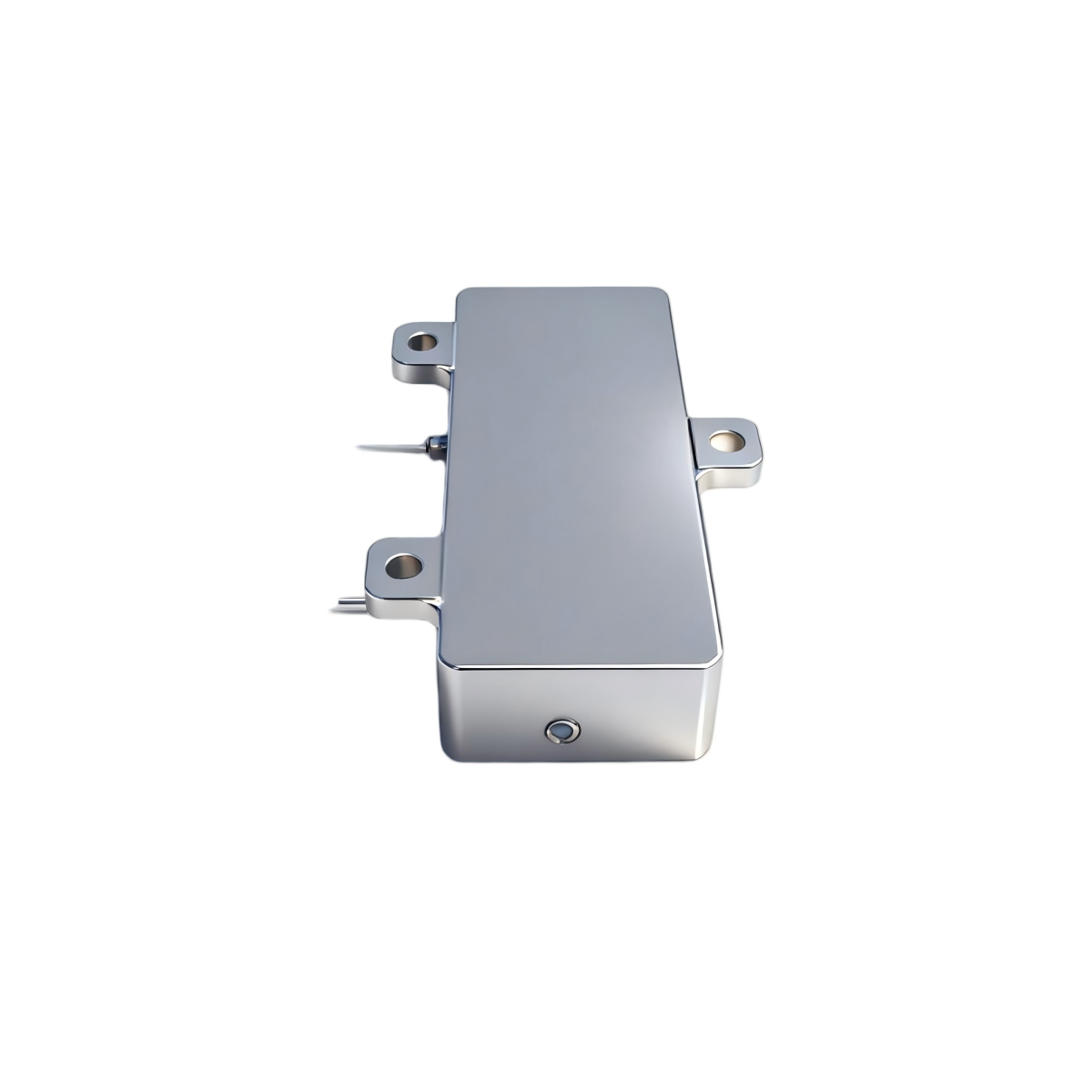
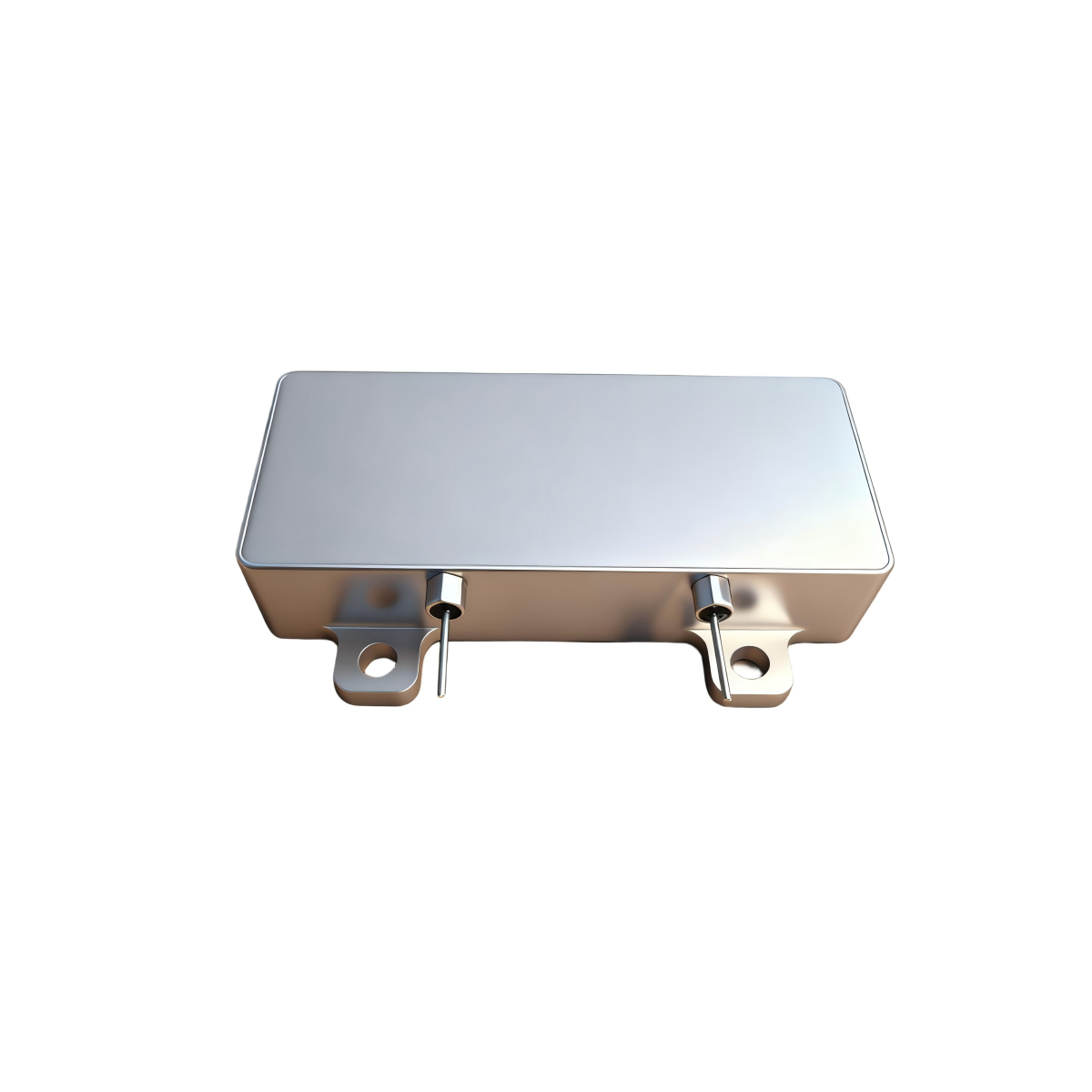
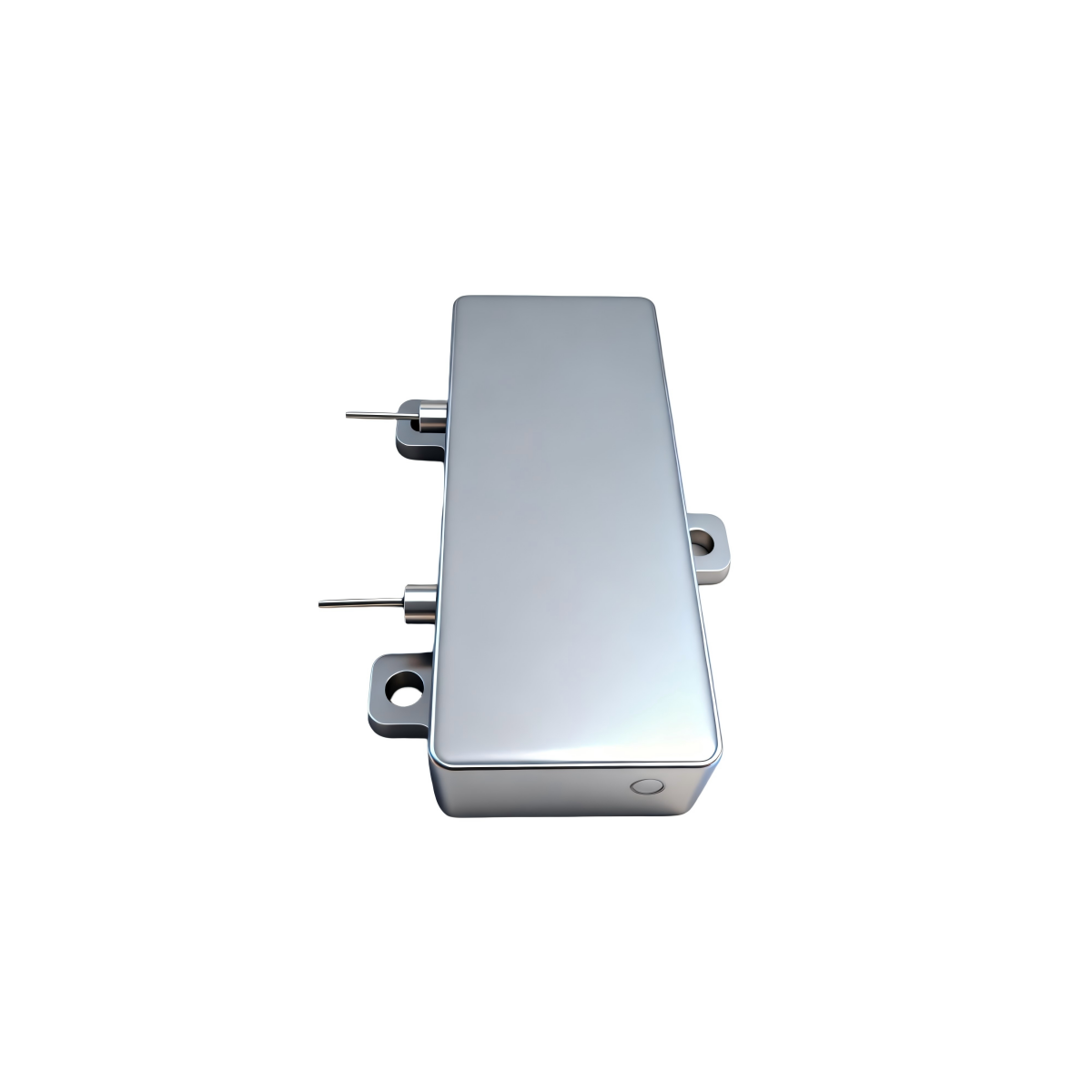
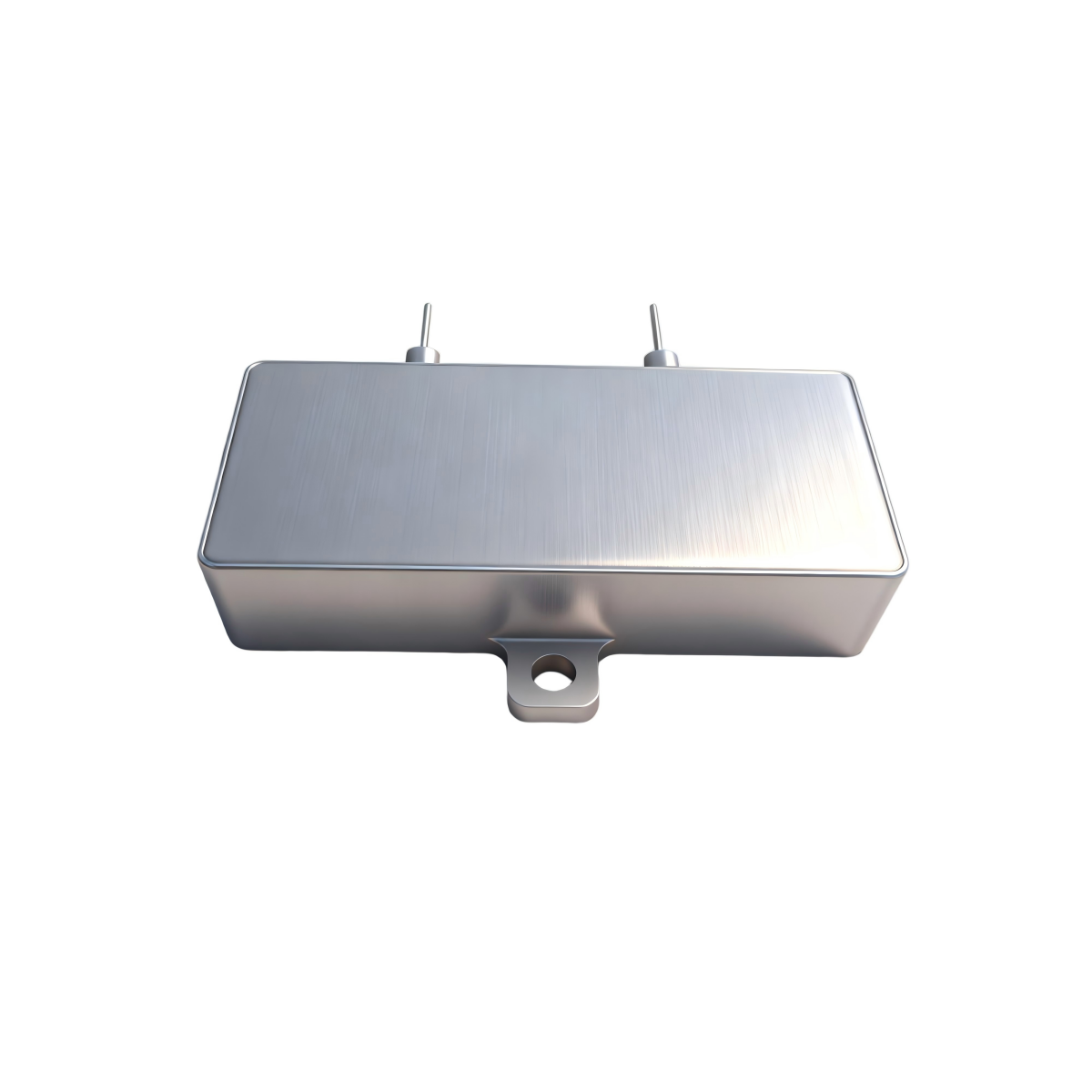
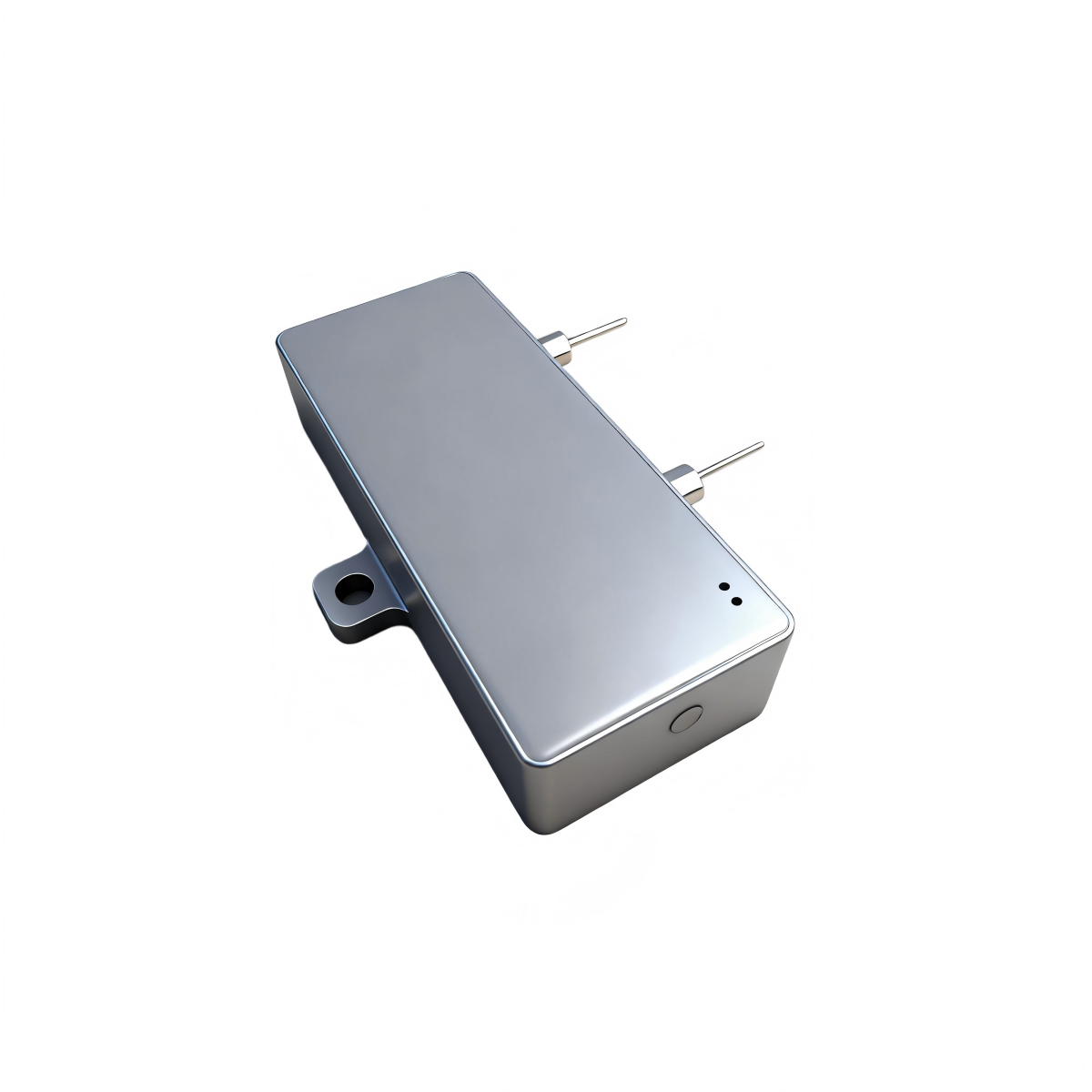
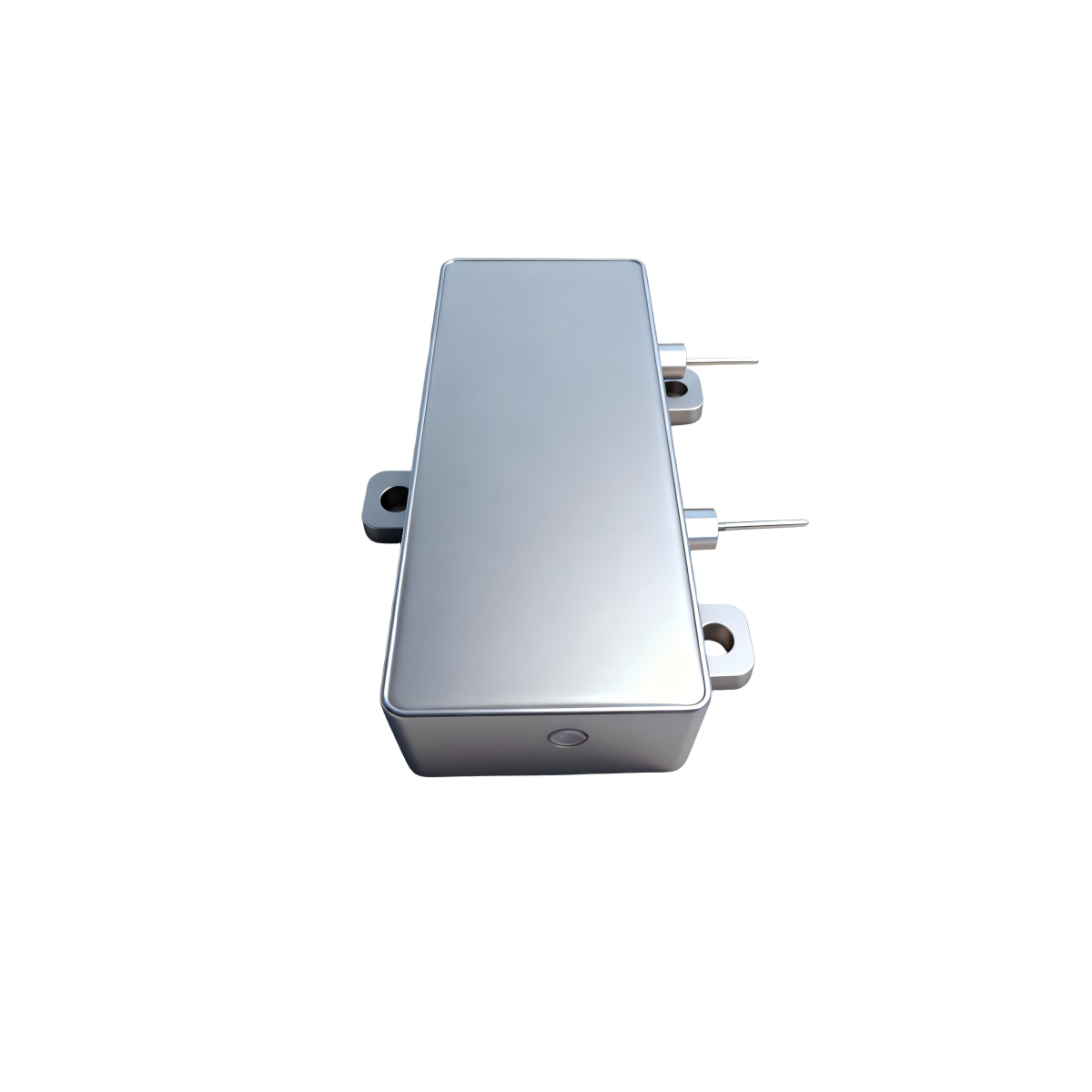
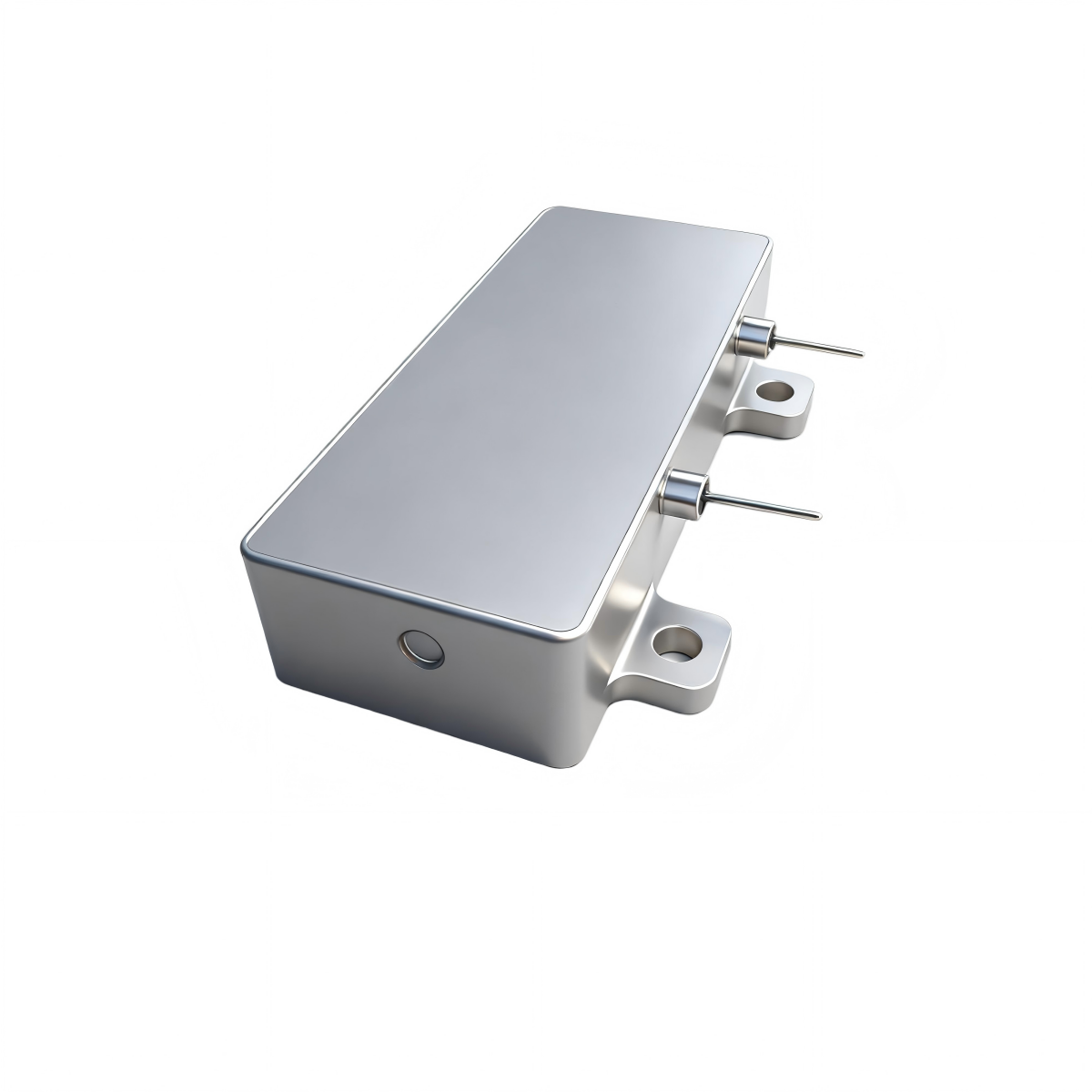
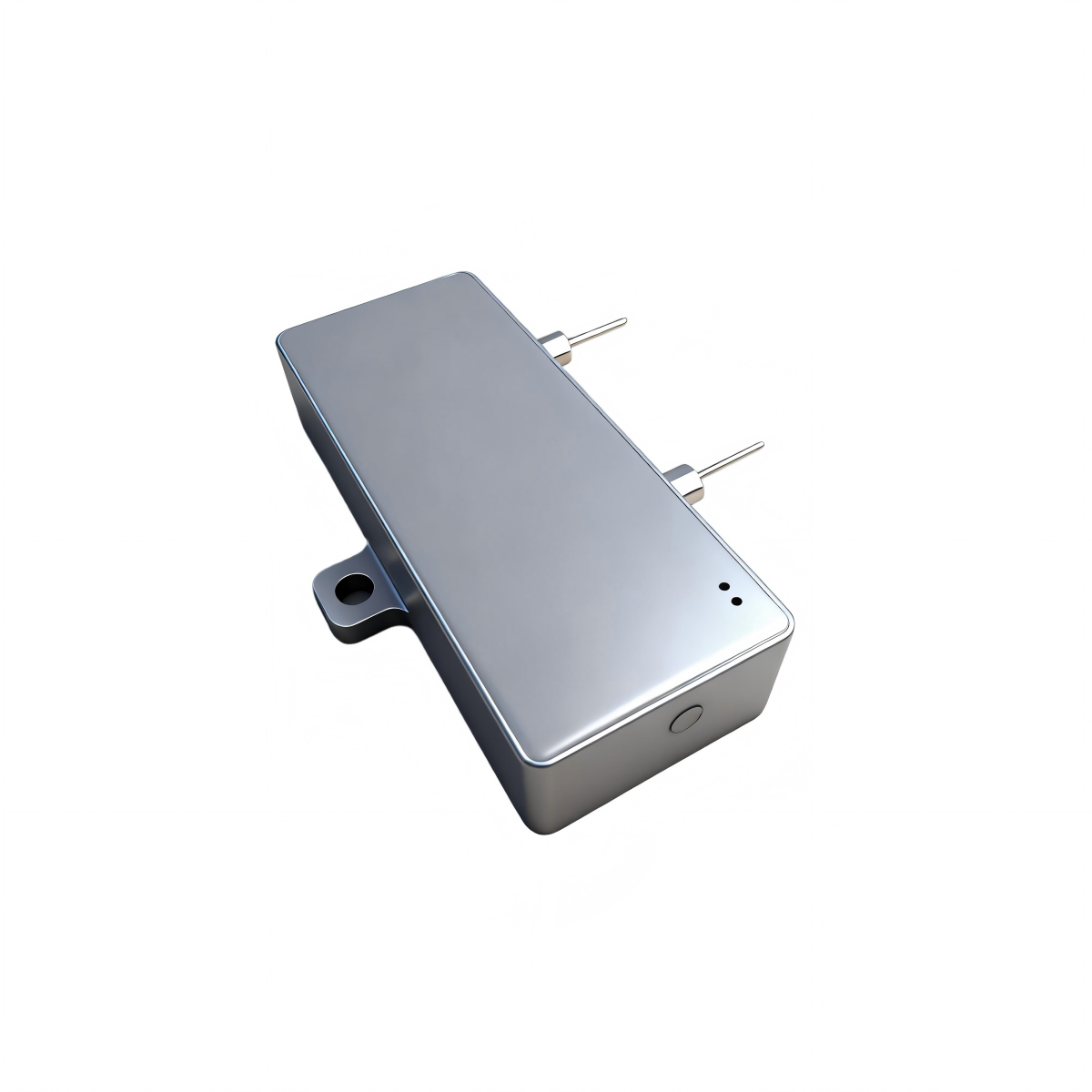
ER2000 1.54µm / 1535nm 2mJ Eye-Safe Erbium Glass Laser for Multi-Field Sensing
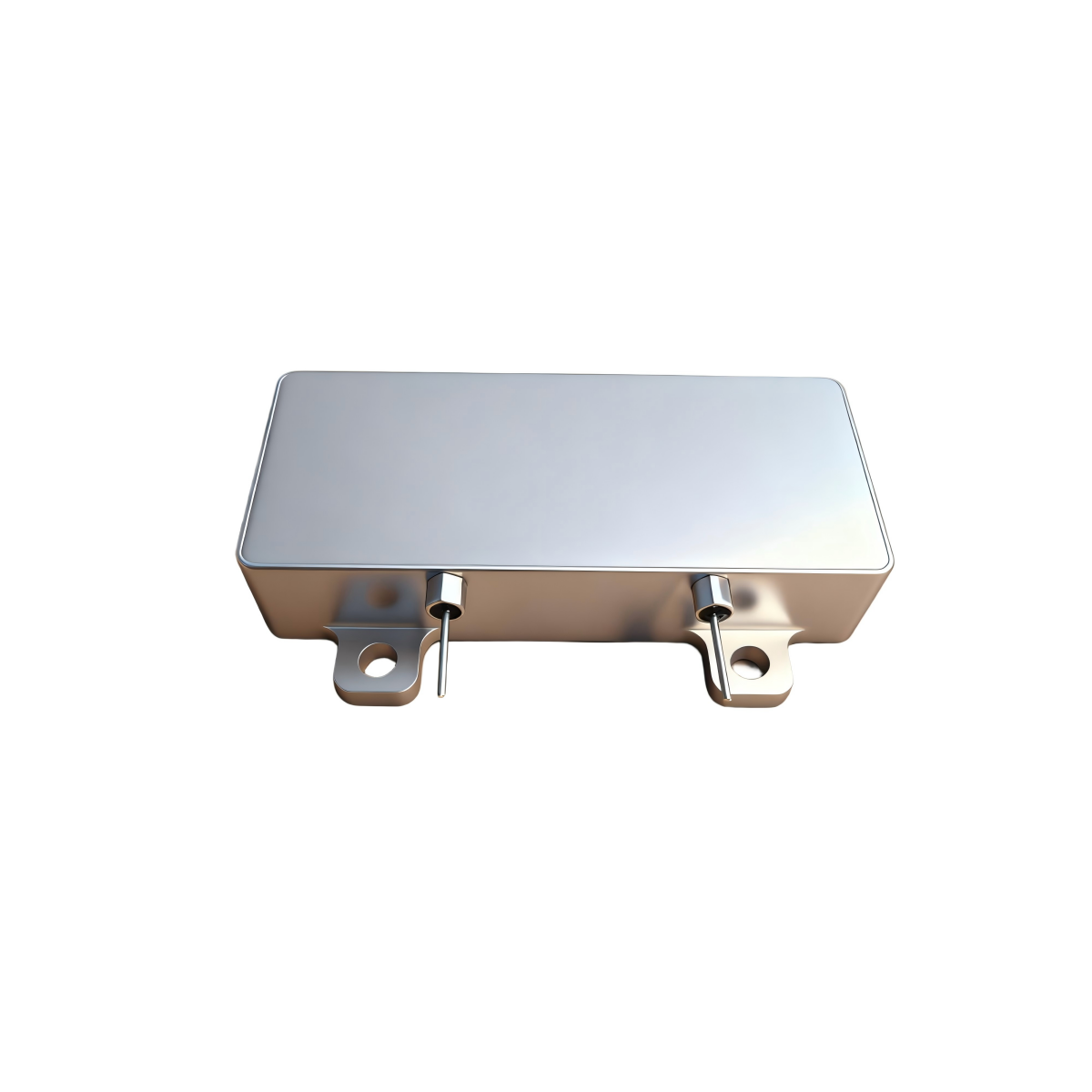
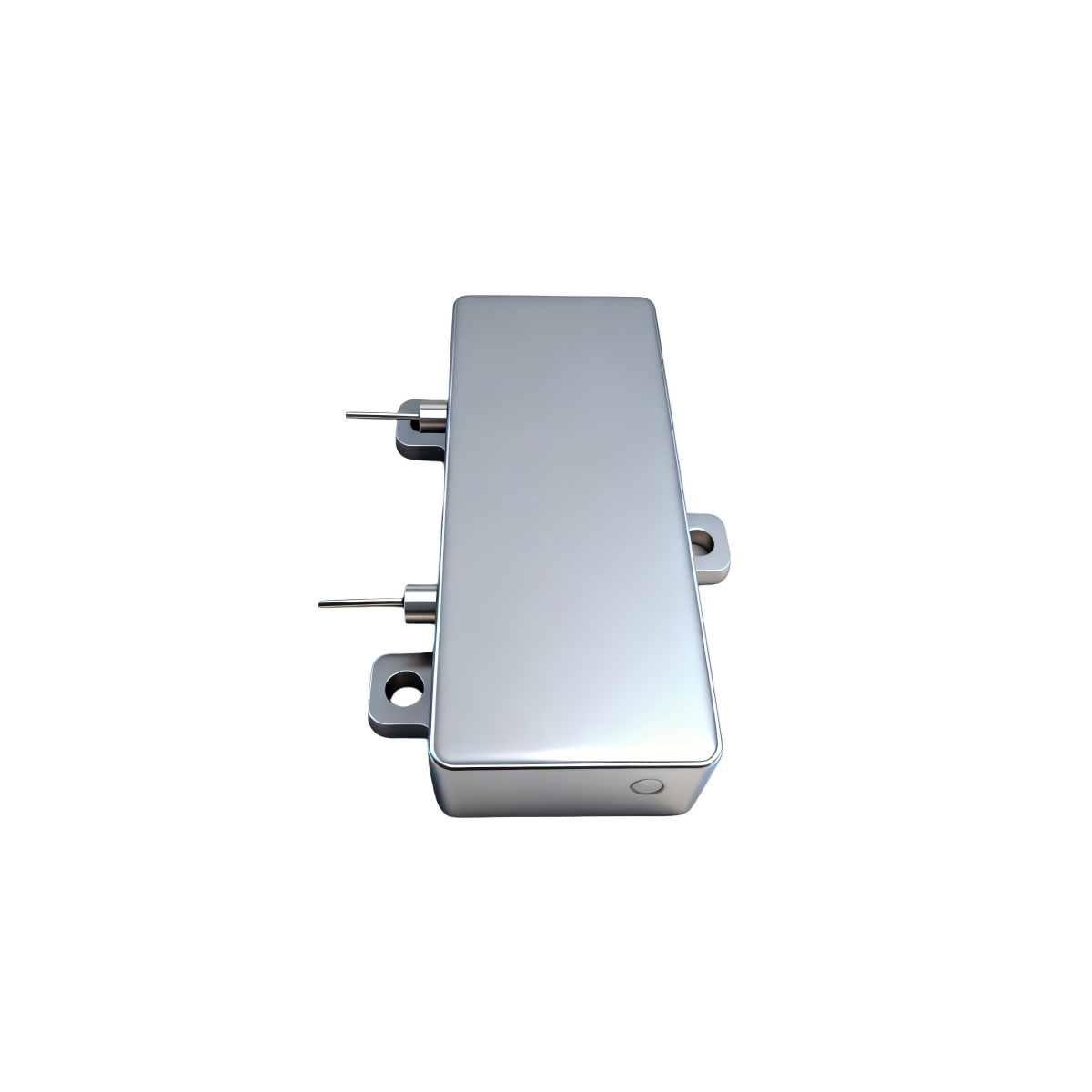
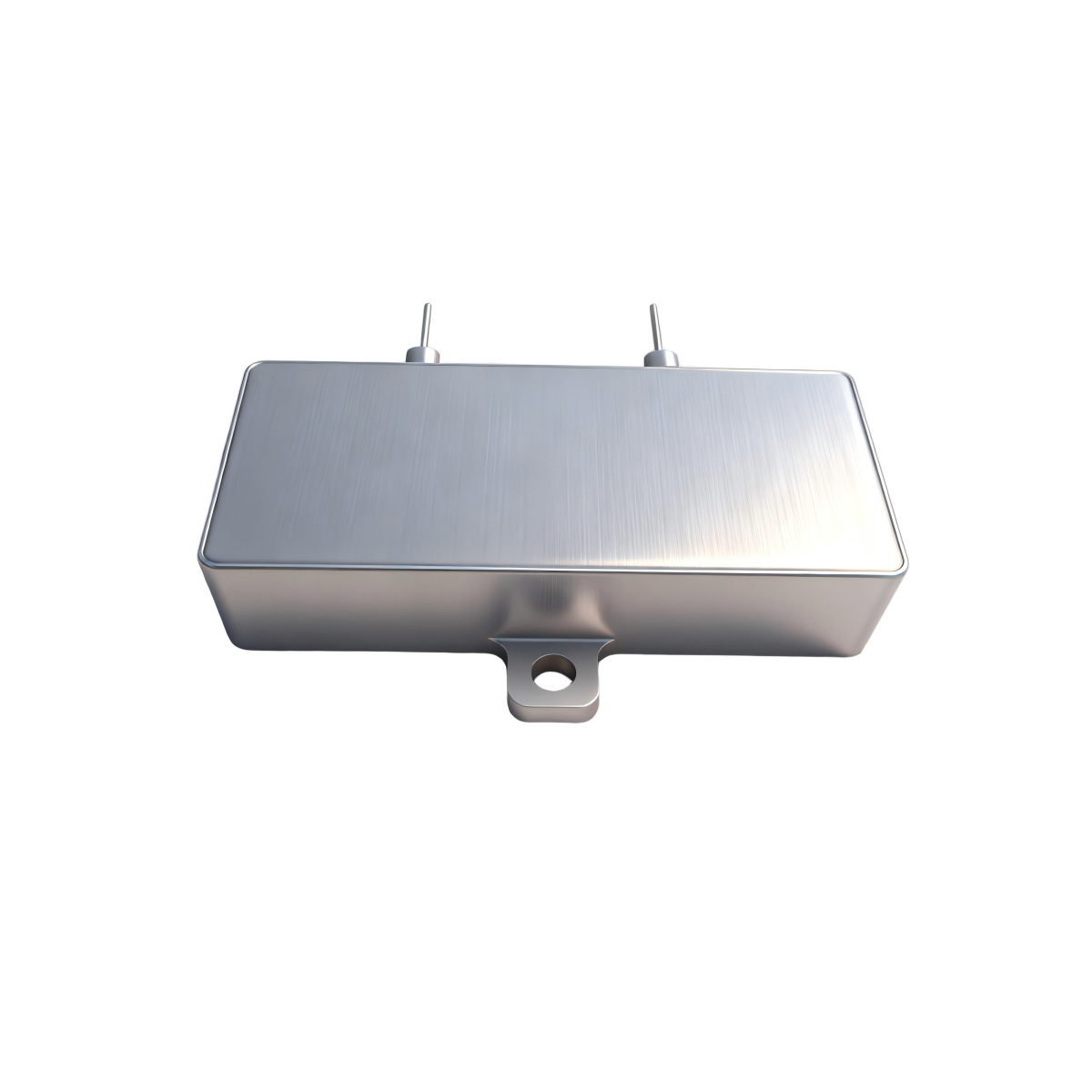
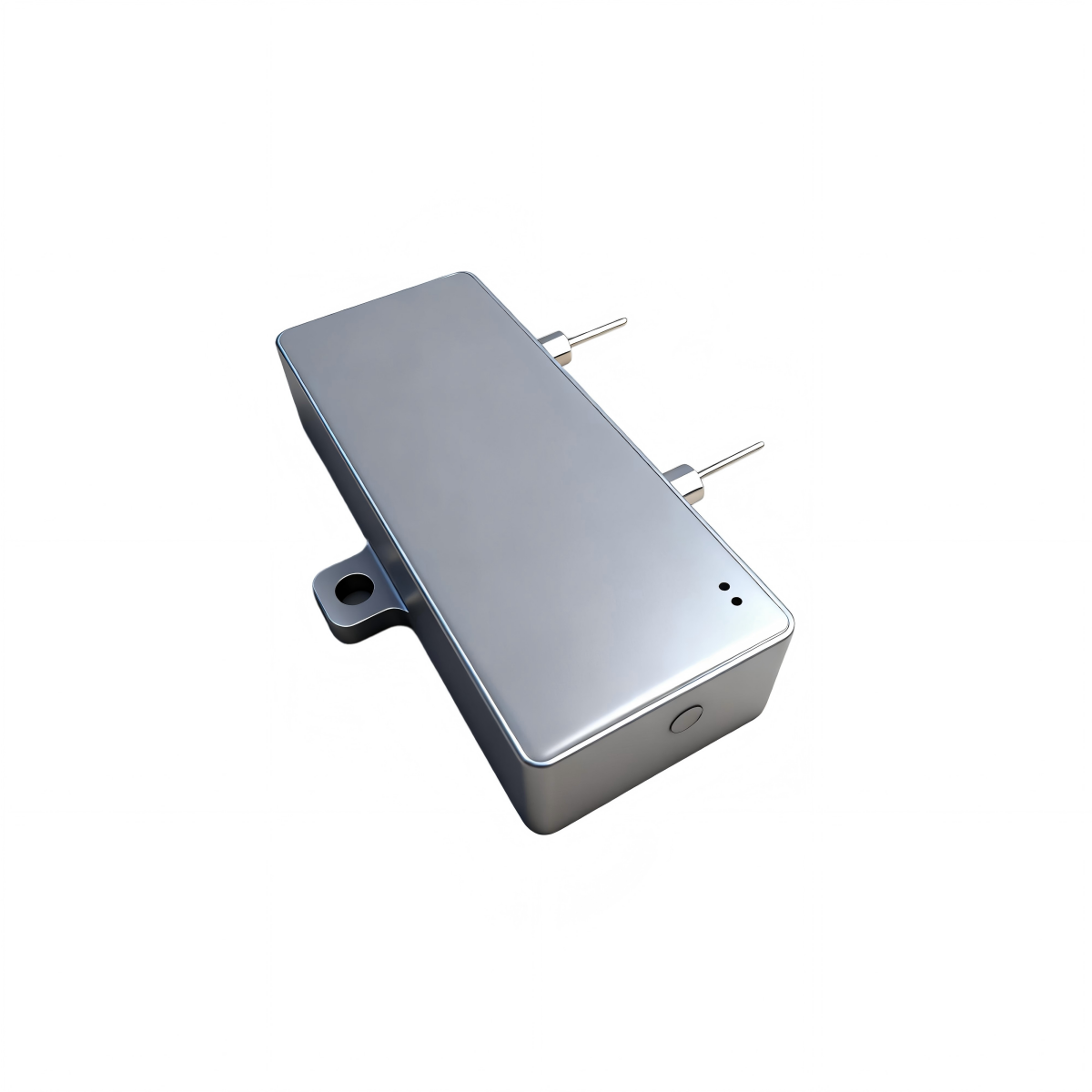
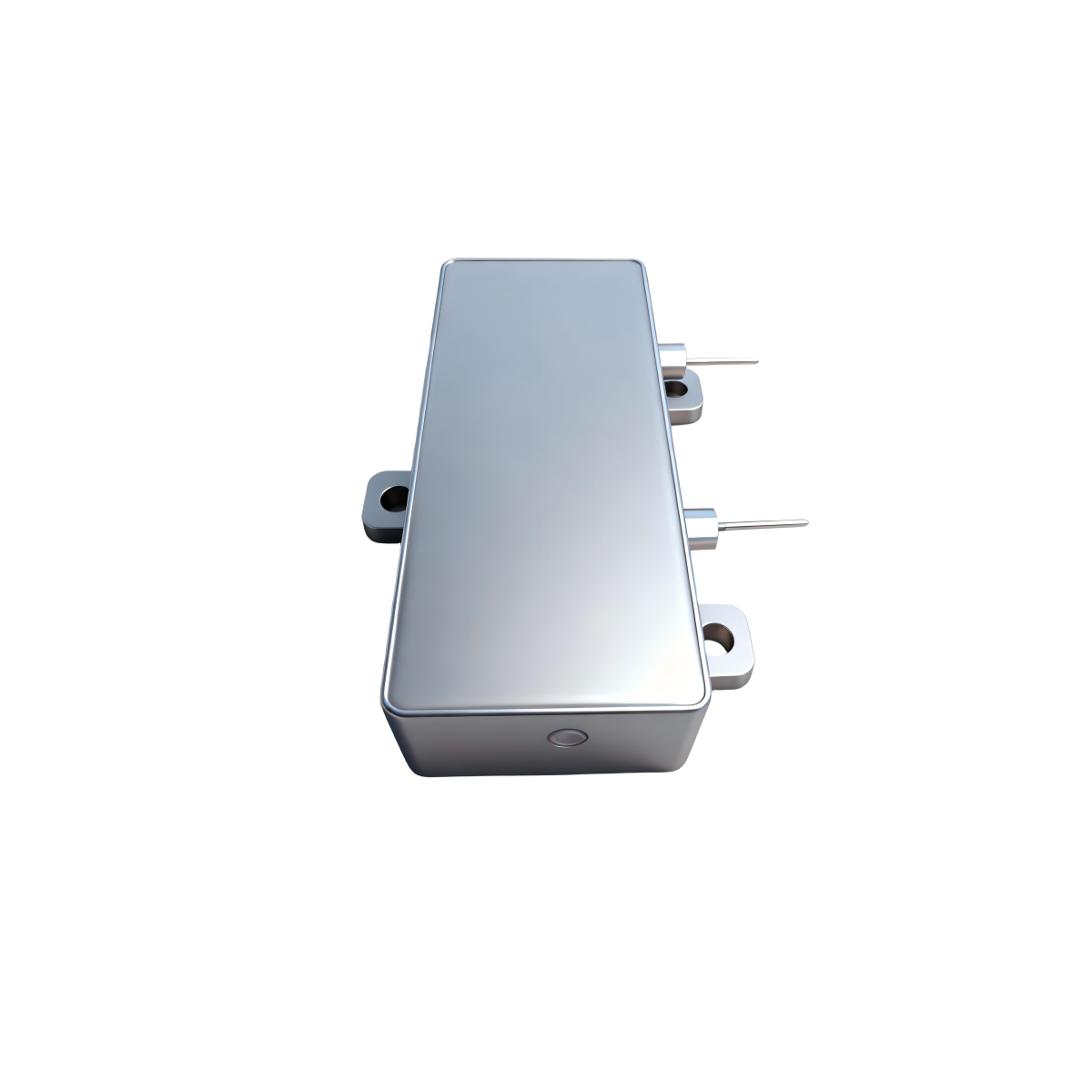
The ER2000 is a 2mJ 1535nm eye-safe erbium glass laser designed as a high-energy core for long-range sensing, free-space and fiber communication links, and precision medical systems, not just laser rangefinders. It uses an Er³⁺/Yb³⁺ co-doped phosphate glass slab with stacked diode-array pumping to deliver millijoule-level pulses while maintaining Class 1 eye-safe operation at 1.54µm.
Optically, the ER2000 provides ≥2mJ pulse energy with a 12ns pulse width and a 1–5Hz repetition rate. Energy stability is specified at about 5% RMS, and the beam is TEM₀₀ with a raw 0.5mm diameter and ≤4mrad full-angle divergence, giving a clean, well-controlled spot that is easy to collimate or couple into external optics, fiber couplers or scanning heads.
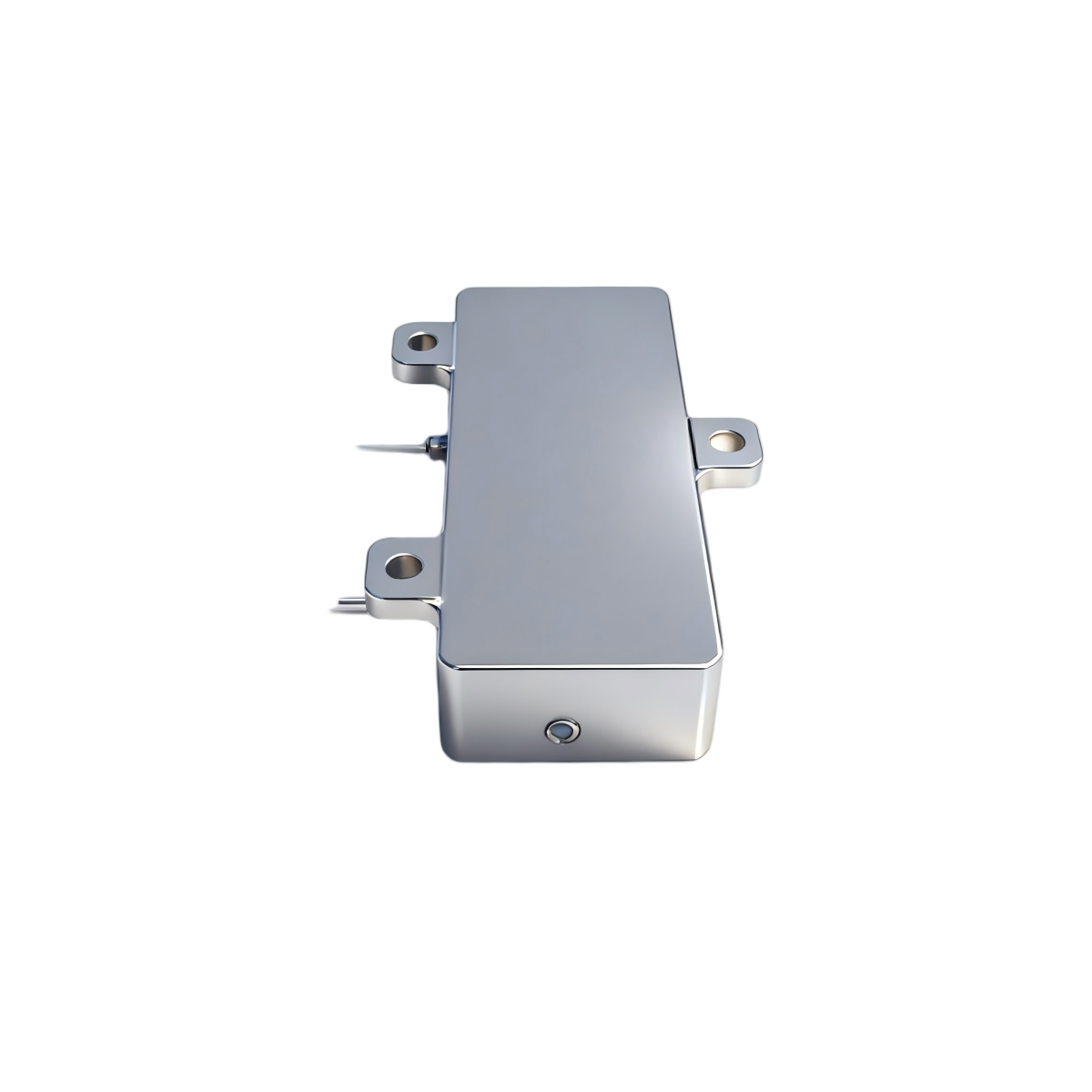
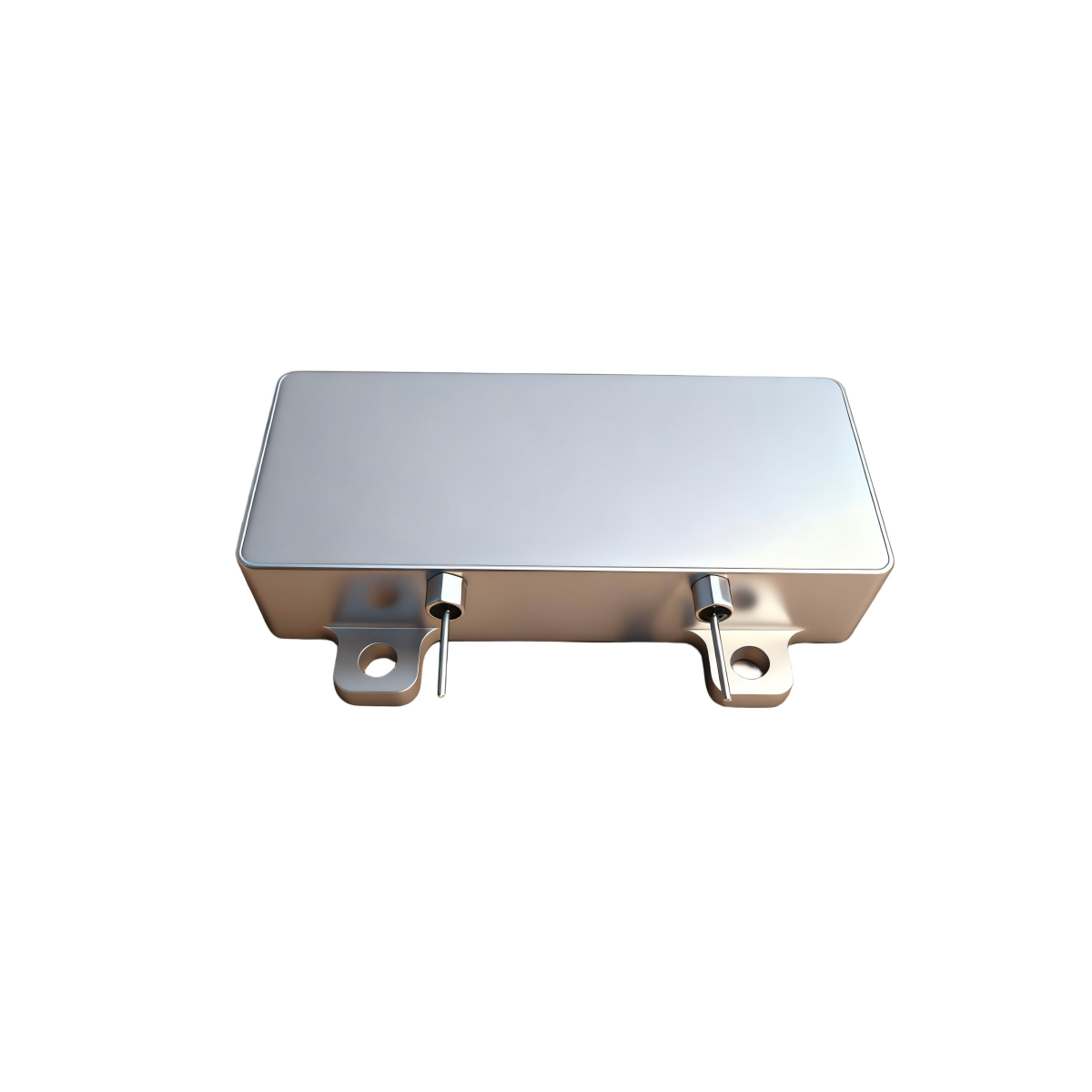
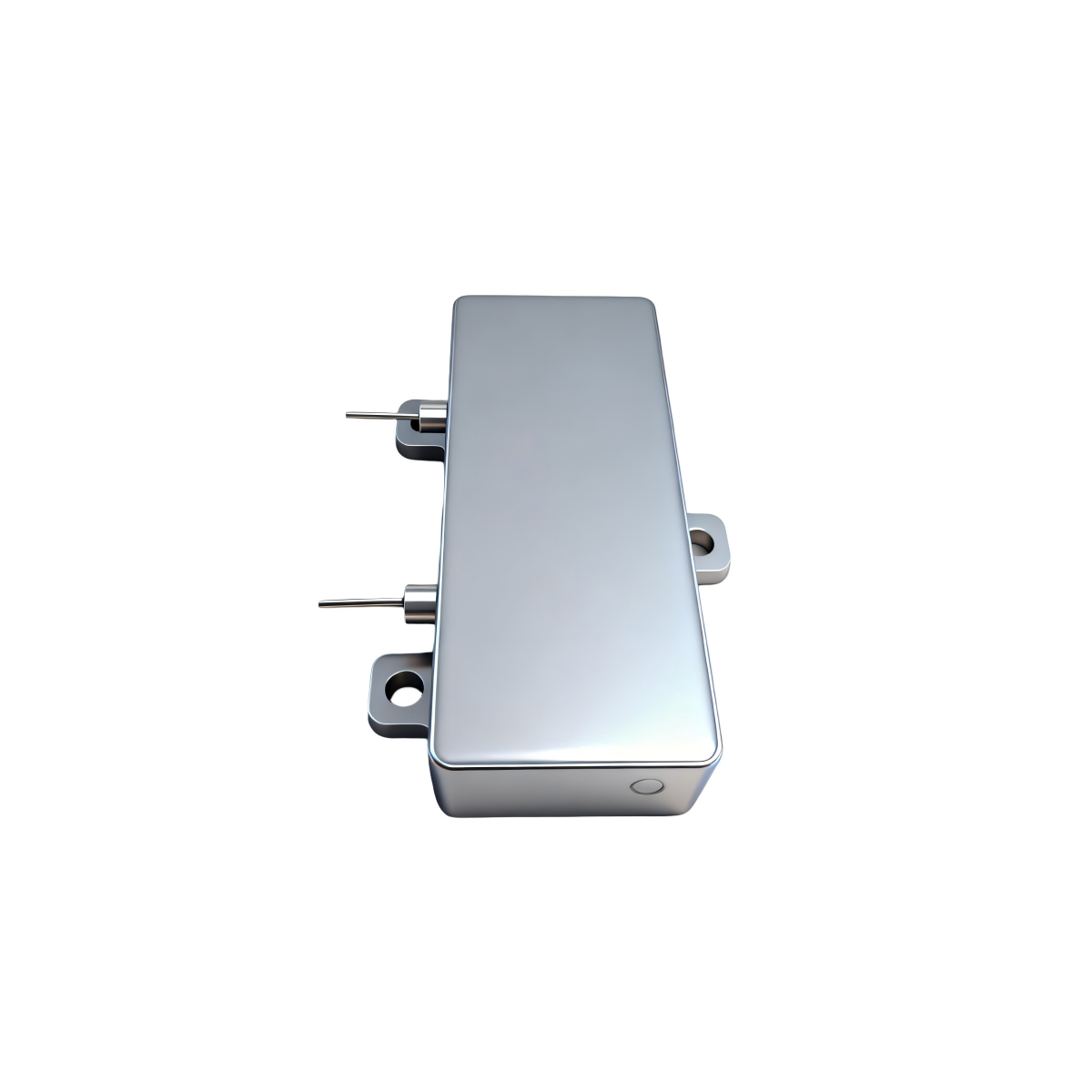
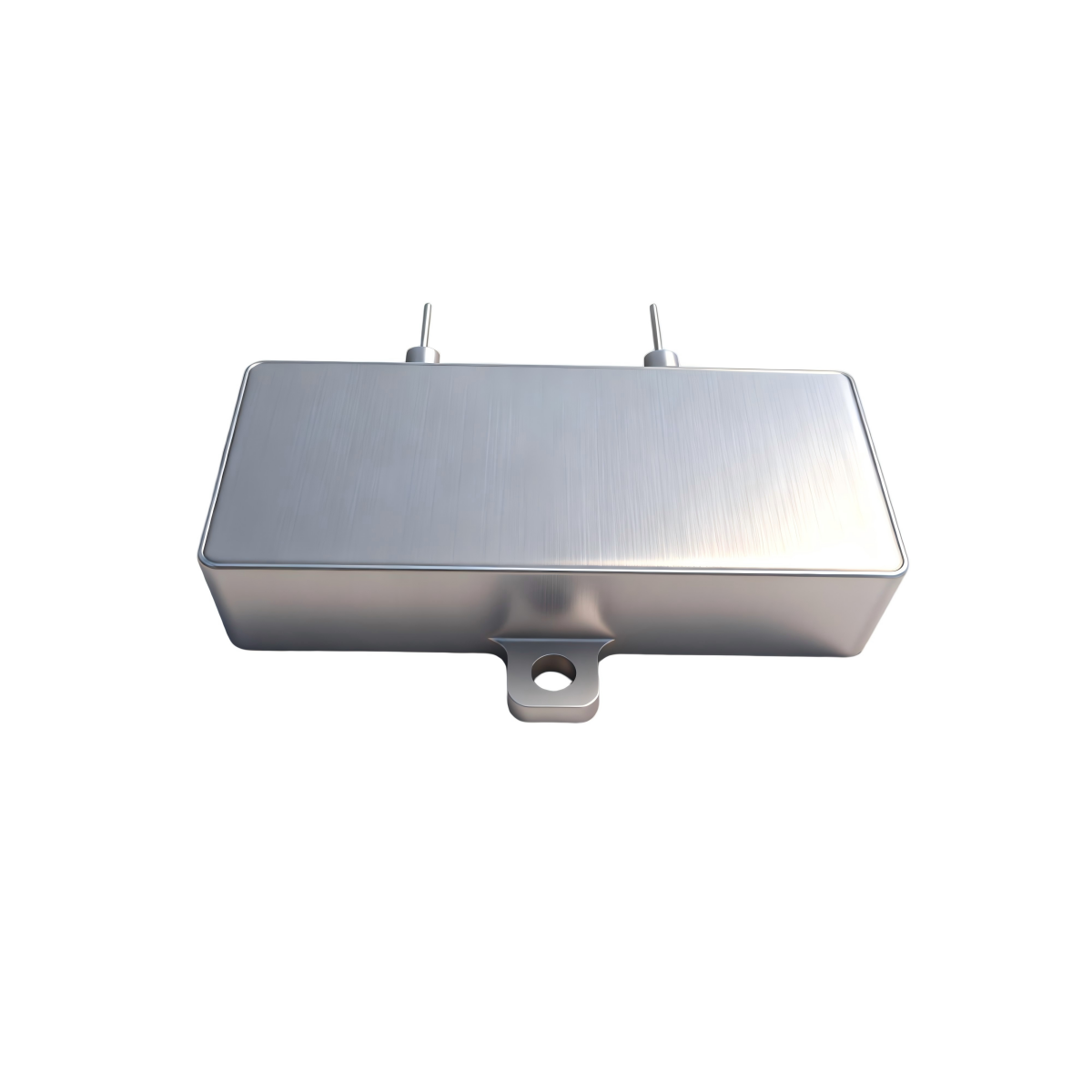
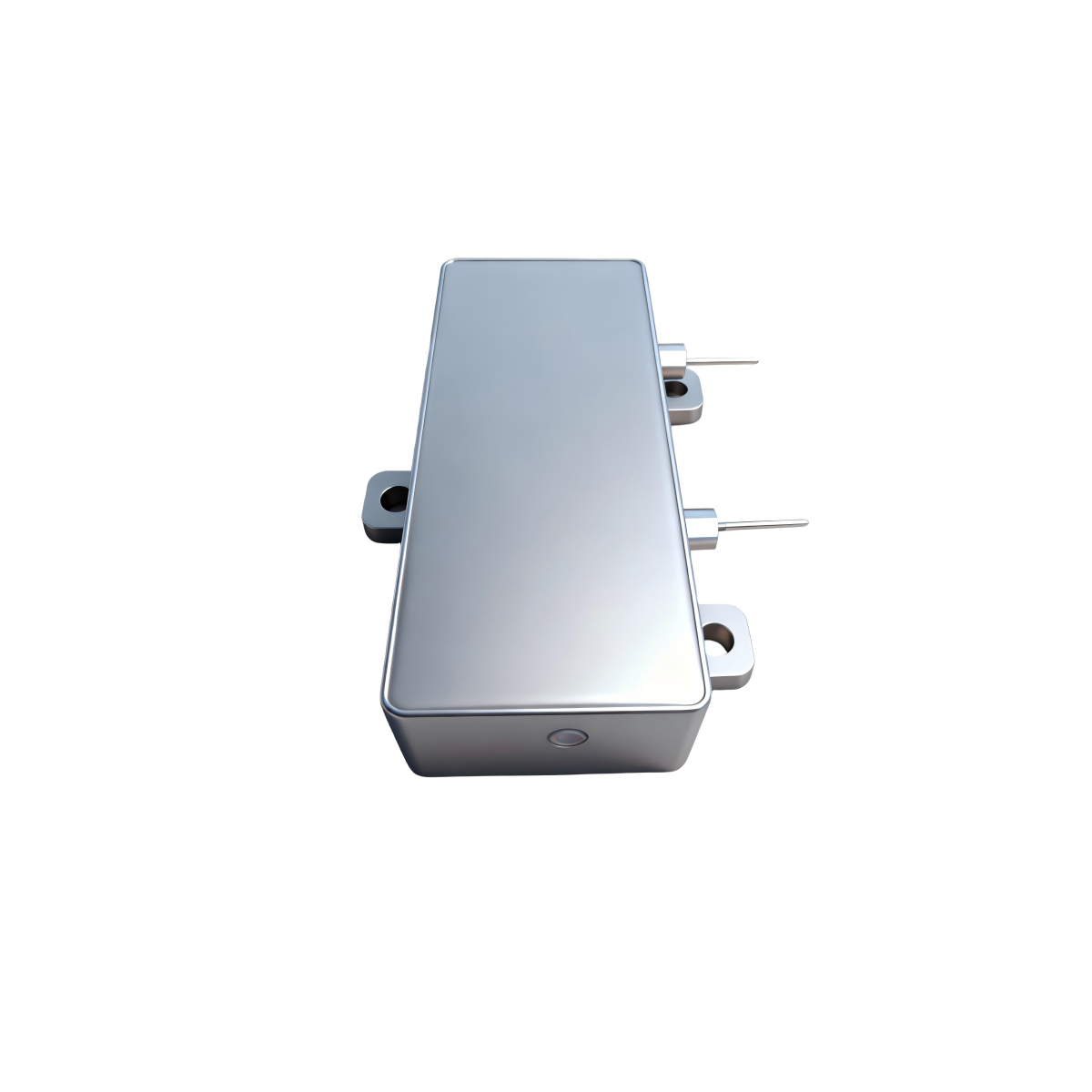
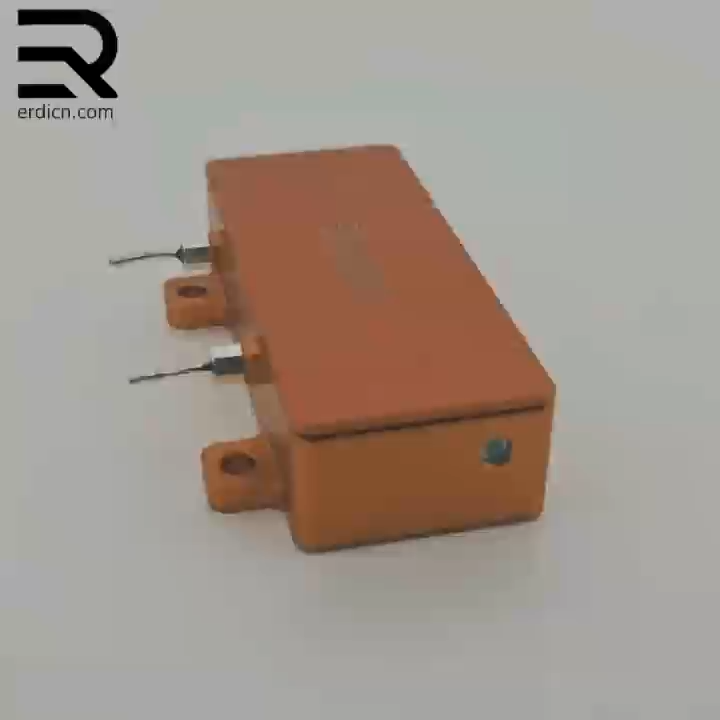
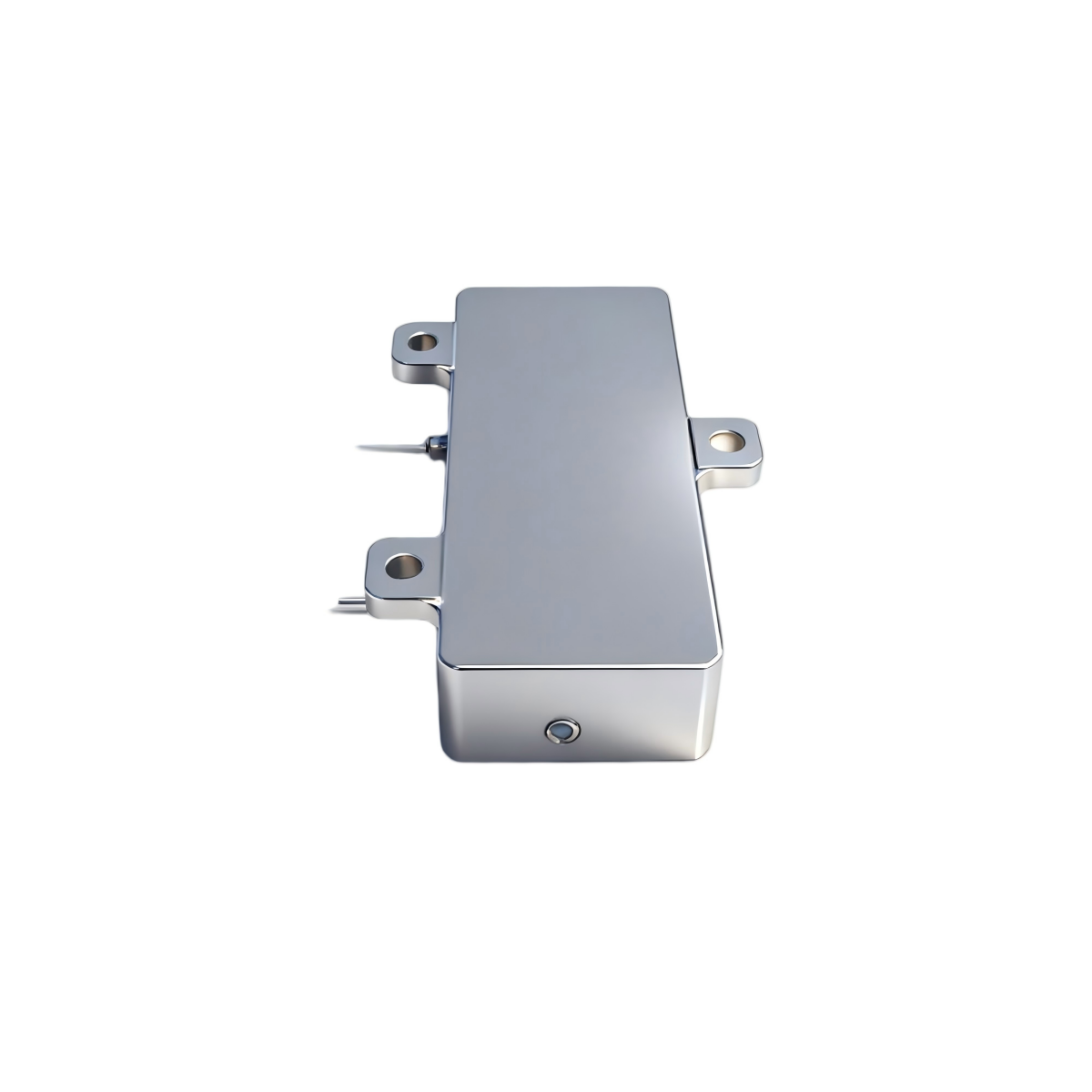
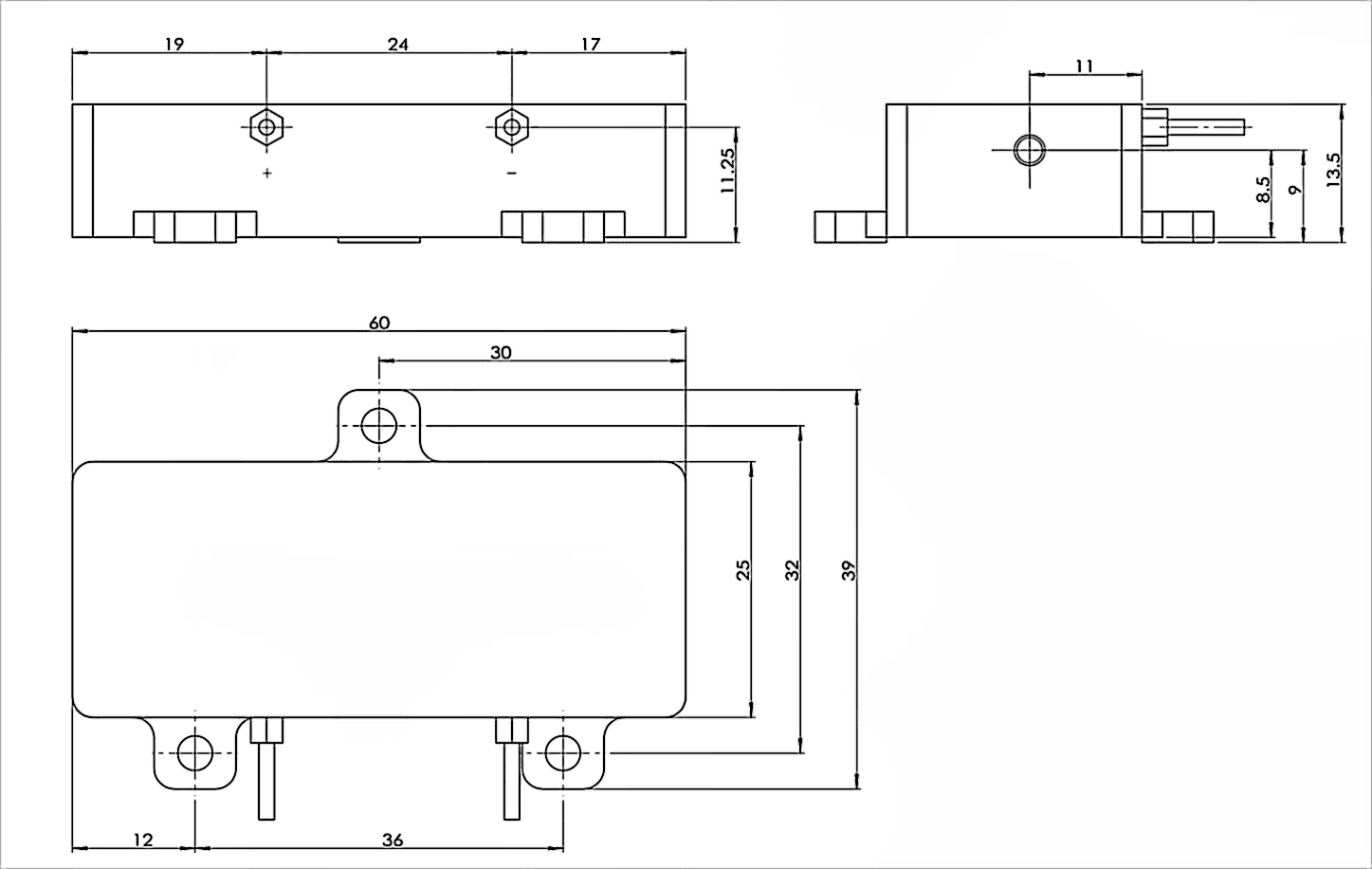
The laser head is highly compact (60×25×13.5mm³, 105g) and operates from −40°C to +65°C without TEC, with storage down to −55°C and up to +75°C. An integrated photodiode can be used to monitor each pulse in real time, supporting closed-loop calibration and long-term stability management in demanding instrumentation. The design meets MIL-STD-810G shock and vibration test standards and is rated for a service life of at least 10 million shots.
Beyond classic long-range rangefinders and imaging systems—where high pulse energy and low atmospheric attenuation enable >20km performance on suitable targets—the ER2000 also fits naturally into tactical communication links at 1.5µm, taking advantage of standard telecom windows to reduce loss in field-deployable fiber or free-space optical paths. In the medical field, the strong water absorption at ~1.54µm can be exploited in ophthalmic and dental procedures, where controlled energy deposition in water-rich tissues is required.
With its combination of 2mJ pulse energy, eye-safe wavelength, TEM₀₀ beam quality, compact size and MIL-STD-810G environmental robustness, the ER2000 is a versatile 1535nm source that can sit at the heart of long-range LiDAR channels, precision laser rangefinders, tactical optical communication terminals, medical treatment systems and other infrared sensing platforms that demand both range and reliability.